


Listen to the article
Egyptian health officials have called for the development of proactive media policies to counter health misinformation, highlighting growing concerns about the spread of false medical information in the digital age.
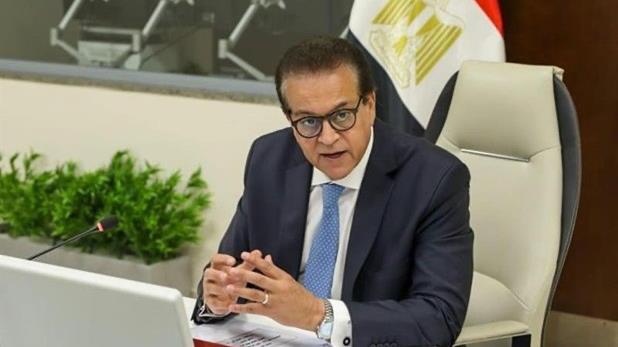
During a recent health forum, Egypt’s Minister of Health and Population, Dr. Khaled Abdel Ghaffar, emphasized the critical need for strategic communication plans to address medical misinformation that threatens public health. The minister pointed to the significant challenges posed by unverified health claims that circulate widely across social media platforms and traditional media channels.
“The rapid spread of medical misinformation has become a serious public health concern,” Dr. Abdel Ghaffar said. “We must establish clear mechanisms to verify health information before it reaches the public and develop systems to quickly correct falsehoods when they emerge.”
The health ministry’s call comes amid a global struggle against health misinformation that has intensified since the COVID-19 pandemic, when unfounded claims about treatments and vaccines caused substantial public confusion. Egypt, like many countries, witnessed the viral spread of unproven remedies and conspiracy theories during that period.
Officials highlighted several concerning trends, including the proliferation of misleading advertisements for miracle cures, unqualified individuals offering medical advice online, and the sharing of outdated or contextually inappropriate medical information. These problems are particularly acute in Egypt, where high social media usage combines with varying levels of health literacy.
The health ministry is proposing a multi-faceted approach to combat misinformation. This includes establishing a dedicated unit to monitor and respond to health misinformation, partnering with media organizations to promote accurate health reporting, and enhancing public health literacy through educational campaigns.
Media experts attending the forum stressed that responsible reporting on health matters requires specialized knowledge and careful verification. They called for additional training for journalists covering health topics and the development of best practice guidelines for medical reporting.
“Health journalism requires particular skills and knowledge,” said Dr. Mohamed Hassan, a professor of media studies at Cairo University. “Reporters must understand basic medical concepts, know how to interpret research studies, and recognize when claims lack scientific backing.”
Digital health communications have emerged as a double-edged sword in Egypt’s healthcare landscape. While social media and digital platforms have democratized access to health information, they have also accelerated the spread of misinformation. Health officials noted that misleading information can lead to dangerous self-medication, delays in seeking appropriate medical care, and unnecessary public panic.
The ministry plans to leverage its own digital presence to become a trusted source of accurate health information. This includes expanding its social media footprint and developing user-friendly health information portals that can serve as authoritative references for the public and media alike.
International organizations including the World Health Organization have previously identified health misinformation as a major global challenge. Egypt’s new initiative aligns with global efforts to improve the quality of health information available to the public.
Healthcare providers at the forum also expressed concern about how misinformation affects their practice, reporting that they frequently encounter patients who arrive with misconceptions based on false information found online.
“We spend significant time during consultations correcting misconceptions patients have acquired from unreliable sources,” said Dr. Fatima Kamel, a family physician in Cairo. “This reduces the time available for actual treatment and can damage the doctor-patient relationship.”
The ministry plans to formalize its anti-misinformation strategy in the coming months, with implementation expected to begin before the end of the year. Officials emphasized that combating health misinformation requires not just government action but also the active participation of media organizations, healthcare providers, and the public.
Fact Checker
Verify the accuracy of this article using The Disinformation Commission analysis and real-time sources.

27 Comments
Misinformation is a serious threat to public health, so I’m glad to see Egypt taking proactive steps to address this issue. Verifying information and correcting falsehoods is crucial.
I agree. Combating the spread of unsubstantiated health claims is a challenging but necessary task, and Egypt’s approach seems like a step in the right direction.
The rapid spread of unproven health remedies and conspiracy theories through media channels is a serious concern. Egypt’s push for policies to validate information and swiftly rectify falsehoods is a sensible strategy to safeguard public wellbeing.
The COVID-19 pandemic has really highlighted the urgent need to address health-related misinformation. I’m glad to see Egypt taking this issue seriously and implementing policies to combat it.
Yes, the pandemic has underscored how quickly false claims can spread and undermine public health efforts. Robust fact-checking and correction mechanisms are crucial.
The health minister’s call for strategic plans to tackle misinformation is timely. With the rise of digital media, the rapid spread of unverified medical claims poses serious risks. Developing robust mechanisms to fact-check information before it reaches the public is a necessary step.
I agree. Misinformation can have severe consequences, especially regarding sensitive health issues. Establishing clear protocols to address this challenge is a critical public health priority.
This is an important initiative that could have far-reaching implications for public health in Egypt. Addressing medical misinformation head-on is a bold and necessary move.
Absolutely. Establishing clear mechanisms to quickly identify and correct false health claims is critical for maintaining public trust and safeguarding wellbeing.
Verifying health information and quickly correcting falsehoods are sensible approaches. I hope Egypt’s efforts are successful in stemming the tide of medical misinformation.
Agreed. Misinformation can be incredibly damaging, so proactive, evidence-based strategies are essential for protecting public health.
Addressing medical misinformation is crucial for public health. Proactive policies to verify information and correct falsehoods quickly are a sensible approach. Effective communication strategies are key to countering the spread of unsubstantiated health claims.
This is an important issue that needs to be addressed proactively. Misinformation can have serious public health consequences, so I’m glad to see the Egyptian government taking steps to verify information and correct falsehoods quickly.
Agreed, tackling medical misinformation is crucial. Having clear communication plans and verification mechanisms will help build public trust in health authorities.
Countering the proliferation of medical misinformation is a critical public health challenge. Egypt’s proactive approach to develop verification systems and correction mechanisms is a prudent step to protect citizens from the risks of unverified health claims.
This is a welcome development. Misinformation can have serious consequences, especially when it comes to public health. I’m glad to see Egypt taking steps to combat this problem.
Absolutely. Establishing clear mechanisms to verify information and quickly correct falsehoods is a prudent strategy that can help protect vulnerable populations.
Curbing the proliferation of medical misinformation is a complex but vital task. Egypt’s proactive approach to strengthen communication policies and fact-checking systems is a positive move to safeguard public wellbeing.
The rapid dissemination of unverified health claims through media channels is a growing concern. Egypt’s push for proactive policies to validate information and rectify misinformation is a timely and necessary response.
Absolutely. Misinformation can have serious consequences, especially on sensitive health matters. Robust verification mechanisms and fact-checking protocols are vital to safeguard public wellbeing.
Addressing the challenge of medical misinformation requires a multi-faceted strategy. Egypt’s call for verified information and rapid correction of falsehoods is a prudent step to protect public health. Effective implementation will be crucial.
The health minister’s emphasis on countering misinformation is commendable. In the digital age, the spread of unsubstantiated health claims can undermine public trust and compromise effective healthcare. Proactive, evidence-based communication is essential.
Curbing the spread of unverified health claims is a global challenge, especially on social media. I hope Egypt’s approach can serve as a model for other countries dealing with similar problems.
Absolutely. Coordinated, proactive strategies to counter medical misinformation are essential for protecting public wellbeing.
The health minister’s call for strategic communication plans to address medical misinformation is a welcome initiative. In the digital age, the spread of unsubstantiated health claims can undermine public trust and hinder effective healthcare delivery.
It’s encouraging to see Egypt taking a proactive stance on this issue. Addressing medical misinformation head-on is crucial for maintaining public trust and safety.
I share your sentiment. Tackling health-related misinformation requires a multi-faceted approach, and I hope Egypt’s policies can serve as a model for other nations.