


Listen to the article
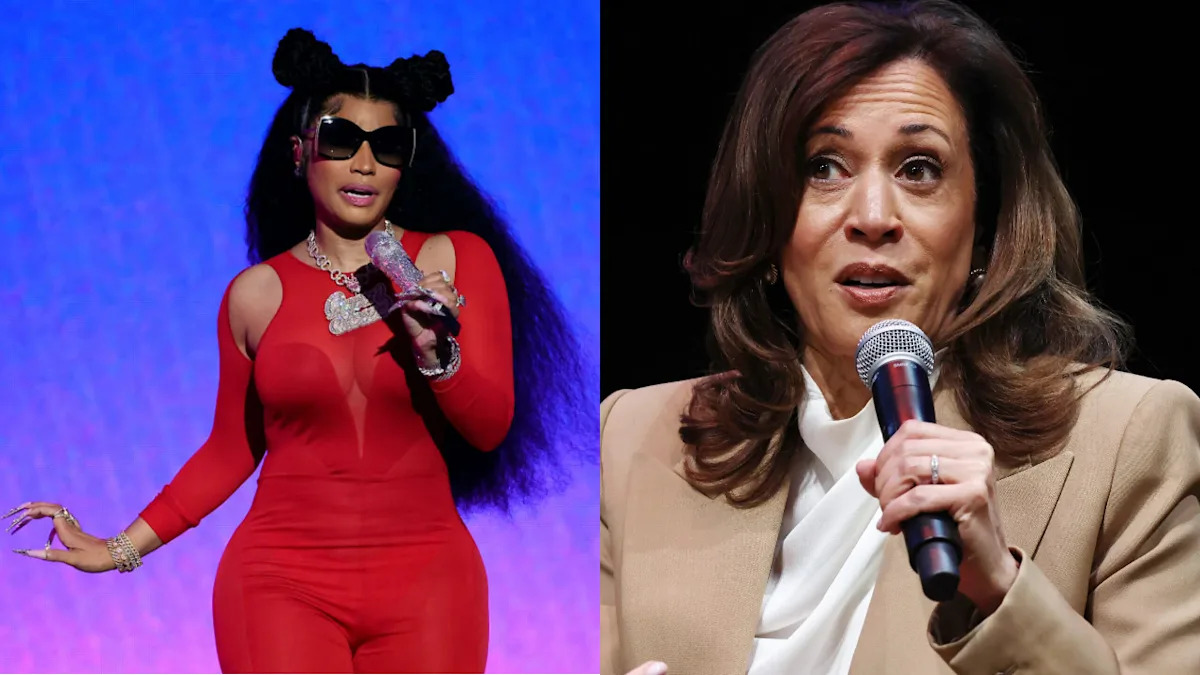
Kamala Harris has found herself in the crosshairs of one of music’s most vocal fan bases after comments she made about disinformation were perceived as targeting rap superstar Nicki Minaj.
During a recent appearance on the “Now You Know with Knowa De Baraso” podcast, the former vice president spoke broadly about the dangers of misinformation in today’s political landscape. While Harris didn’t directly criticize Minaj by name, her remarks sparked immediate backlash from the rapper’s devoted followers, known collectively as the “Barbz.”
“I think there are many people who are doing it intentionally, and I think there are others who are doing it unintentionally,” Harris said when discussing the spread of false information. She emphasized the importance of establishing shared facts in public discourse.
“One of the things about mis- and disinformation is, we have to, when we disagree with someone, take that into account,” Harris explained. “We may just not be working with the same information… making sure we’re on the same page about the fact that two plus two will always equal four.”
When specifically asked about Minaj and her apparent alignment with controversial political narratives, Harris opted for a measured response rather than direct criticism. However, this diplomatic approach did little to placate Minaj’s supporters.
Across social media platforms, the Barbz quickly mobilized to defend their idol. Many accused Harris of condescension, portraying Minaj as more authentic and in touch with everyday Americans. Others criticized Harris’s communication style and political record, highlighting the intensely personal nature of modern fan communities when their favorite artists enter political discussions.
The incident highlights the increasingly blurred lines between entertainment and politics in American culture. Minaj has emerged as a controversial political voice in recent years, sometimes amplifying disputed claims about religious persecution abroad and showing support for figures associated with the MAGA movement. Her massive platform—with over 150 million Instagram followers and 27 million on Twitter/X—gives her statements significant reach and influence.
Media analysts note that this clash represents more than just a celebrity spat. It demonstrates how fan communities have evolved into powerful political forces that can rapidly mobilize against perceived critics, regardless of their stature. This phenomenon has become increasingly common as social media erases traditional barriers between entertainment figures and political discourse.
“Celebrity fandoms now function almost like traditional political constituencies,” explains Dr. Sarah Johnson, a media studies professor at Columbia University. “They have loyalty, organization, and passionate engagement that many political campaigns would envy. When these groups feel their idol is under attack, the response can be swift and overwhelming.”
For Harris, who has maintained a relatively low profile since leaving office, the episode comes as she discusses new initiatives aimed at combating misinformation ahead of upcoming election cycles. During the same podcast appearance, she clarified that her immediate political future does not include a run for governor of California, stating simply, “It’s not my calling.” Regarding a potential 2028 presidential bid, Harris remained noncommittal, noting her current focus is on the 2026 midterm elections.
The controversy illustrates a new reality for political figures: navigating a landscape where pop culture and politics are increasingly inseparable. Politicians must now contend not just with traditional political opposition but also with devoted fan armies that view criticism of their favorite artists as personal attacks.
As of publication, Minaj herself has not directly responded to Harris’s comments. However, the rapper has previously shown little hesitation in using her platform to address perceived slights, suggesting this digital standoff may be far from over.
The incident serves as yet another example of how America’s fractured information ecosystem creates fertile ground for misunderstandings and tribal reactions, even when the initial comments appear relatively benign to outside observers.
Fact Checker
Verify the accuracy of this article using The Disinformation Commission analysis and real-time sources.

12 Comments
I’m curious to see how this plays out between Harris and Minaj’s supporters. Addressing misinformation is important, but it has to be done carefully to avoid alienating certain groups. Nuance is key.
Well said. Navigating these sensitive political issues requires a deft touch. Maintaining open and respectful dialogue is vital, even when there are disagreements.
Harris is right to highlight the dangers of misinformation, but her approach here seems a bit heavy-handed. Targeting specific celebrities could backfire and further inflame tensions. A more inclusive, fact-based strategy may be more effective.
I agree, a softer touch might have been better. Singling out public figures can be risky and could alienate their supporters. A measured, educational approach may be more constructive in the long run.
Interesting perspective from Harris on the misinformation issue. It’s a complex challenge, especially when prominent figures amplify unverified claims. Establishing shared facts is crucial for healthy public discourse.
I agree, misinformation can spread rapidly online and it’s important for leaders to address it thoughtfully. Balancing free speech with combating false narratives is tricky but necessary.
This is a tricky situation, and I can see valid arguments on both sides. Harris is right to be concerned about misinformation, but her comments could be perceived as an attack on Minaj and her fans. Striking the right balance will be crucial.
Absolutely. It’s a delicate balance between addressing misinformation and avoiding the appearance of targeting specific individuals or groups. A thoughtful, diplomatic approach is needed to make progress on this complex issue.
While I understand Harris’s concerns about misinformation, her response seems a bit heavy-handed. Targeting popular figures like Minaj could backfire and further polarize the issue. A more inclusive, fact-based strategy focused on education may be more effective.
Well said. Nuance and diplomacy are crucial when dealing with sensitive political topics and influential public figures. Avoiding confrontation and instead focusing on shared facts and constructive dialogue could lead to better outcomes.
Harris makes a fair point about the need to ensure we’re working from the same factual foundation, even when we disagree. Rap stars’ influence can be a double-edged sword when it comes to sensitive political topics.
Absolutely, public figures need to be mindful of the impact their statements can have, especially on impressionable fans. Promoting verified information is critical to counter misinformation.