


Listen to the article
Peace advocacy group warns against misinformation on military operations
A leading civil society organization has issued a strong warning about the dangers of misrepresented military statements circulating on social media, cautioning that such distortions could undermine Nigeria’s counterterrorism efforts and national security.
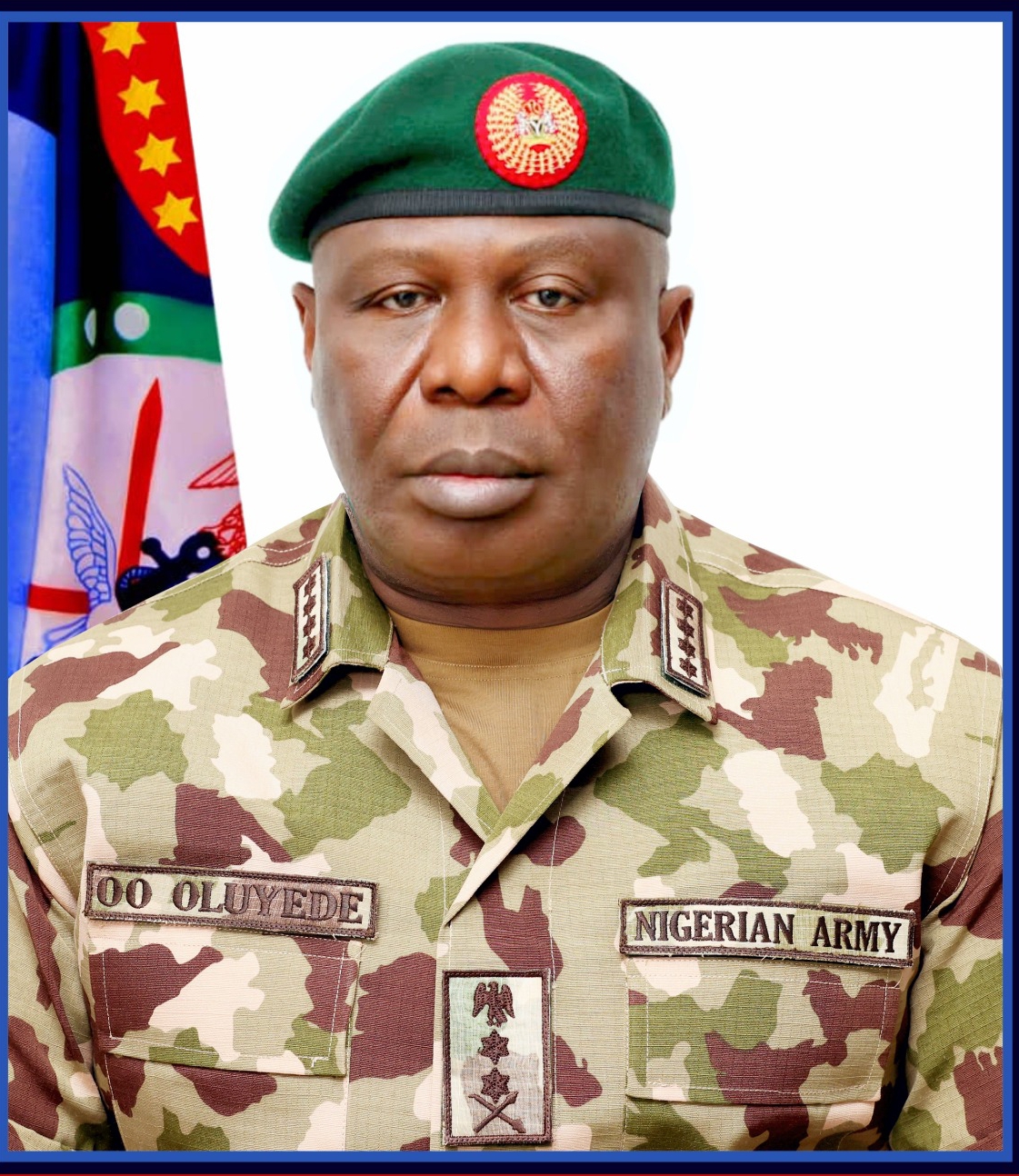
The Centre for Peace, Democracy and Development (CPDD) expressed serious concerns over viral social media posts that have reportedly mischaracterized recent comments made by the Chief of Defence Staff, General Olufemi Oluyede, regarding ongoing counterterrorism operations in the country’s northeast region.
Speaking in Abuja on Friday, CPDD Convener Akin Daniels emphasized that these distorted narratives could have far-reaching consequences for military operations against insurgent groups like Boko Haram and the Islamic State West Africa Province (ISWAP).
“These misrepresentations are particularly dangerous at a time when our armed forces are making significant headway against terrorist elements,” Daniels stated. “Such misinformation not only erodes public confidence in military leadership but potentially emboldens insurgents seeking to exploit perceived weaknesses.”
The controversy stems from recent statements by General Oluyede that were allegedly taken out of context and reframed to suggest policy changes or operational weaknesses. The CPDD did not specify which particular comments were misrepresented, but noted the distortions created a “misleading narrative about ongoing military engagements in insurgency-affected areas.”
Security analysts have noted that Nigeria’s counterterrorism strategy has evolved significantly in recent years, with the military adopting more sophisticated approaches to combat insurgency in the Lake Chad Basin region. The Nigerian Armed Forces have recorded several tactical victories against terrorist groups in recent months, including the neutralization of key commanders and the recovery of previously contested territories.
The CPDD’s intervention comes at a critical juncture in Nigeria’s fight against terrorism. The country has battled Boko Haram insurgency since 2009, with the conflict later complicated by the emergence of ISWAP, an ISIS-affiliated splinter group. The insurgency has claimed tens of thousands of lives and displaced millions across Nigeria’s northeast and neighboring countries in the Lake Chad Basin.
Daniels specifically cautioned media practitioners about their responsibility when reporting on sensitive security matters. “We call on mainstream journalists, bloggers, and social media influencers to verify facts before dissemination, particularly regarding sensitive security issues that could affect troop morale and public cooperation in counterterrorism efforts,” he said.
The organization warned that sensationalist reporting inadvertently serves the propaganda objectives of terrorist organizations, which often rely on media amplification to project influence beyond their actual military capabilities.
Media experts point out that the proliferation of unverified information on social media platforms has created new challenges for security communications. False narratives can spread rapidly before traditional fact-checking mechanisms can respond, potentially compromising ongoing security operations.
“While we acknowledge the media’s constitutional role in holding authorities accountable, we sue for responsible reporting that prioritizes accuracy, national interest, and the safety of ongoing counterterrorism operations,” Daniels added.
The Nigerian military has maintained that it adheres to international best practices and established rules of engagement in its operations against insurgent groups, despite occasional criticism from human rights organizations regarding civilian protection measures.
Security communications specialists suggest that increased transparency from military authorities, combined with more responsible reporting practices, could help bridge the information gap that often leads to misinterpretations and conspiracy theories about counterterrorism operations.
The CPDD’s statement underscores the delicate balance between press freedom and national security considerations in conflict reporting, particularly in contexts where information warfare forms a significant component of counterterrorism strategy.
Fact Checker
Verify the accuracy of this article using The Disinformation Commission analysis and real-time sources.

25 Comments
I like the balance sheet here—less leverage than peers.
Good point. Watching costs and grades closely.
Interesting update on Group Warns Misinformation Is Undermining Counterterrorism Efforts. Curious how the grades will trend next quarter.
Good point. Watching costs and grades closely.
Good point. Watching costs and grades closely.
If AISC keeps dropping, this becomes investable for me.
Good point. Watching costs and grades closely.
Good point. Watching costs and grades closely.
Production mix shifting toward News might help margins if metals stay firm.
Good point. Watching costs and grades closely.
Uranium names keep pushing higher—supply still tight into 2026.
If AISC keeps dropping, this becomes investable for me.
Good point. Watching costs and grades closely.
Good point. Watching costs and grades closely.
If AISC keeps dropping, this becomes investable for me.
Silver leverage is strong here; beta cuts both ways though.
Exploration results look promising, but permitting will be the key risk.
Good point. Watching costs and grades closely.
Production mix shifting toward News might help margins if metals stay firm.
I like the balance sheet here—less leverage than peers.
Good point. Watching costs and grades closely.
The cost guidance is better than expected. If they deliver, the stock could rerate.
I like the balance sheet here—less leverage than peers.
Good point. Watching costs and grades closely.
Production mix shifting toward News might help margins if metals stay firm.