


Listen to the article
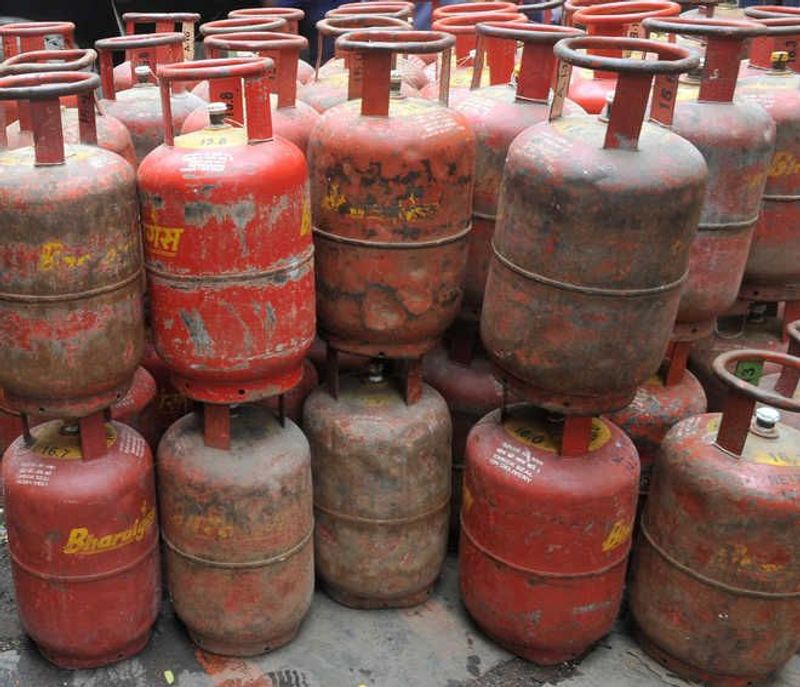
Indian officials have urged domestic LPG consumers to avoid panic booking amid growing concerns about gas availability in several regions across the country. The government’s appeal comes after detecting a surge in premature bookings fueled by misinformation circulating about potential shortages.
Sujata Sharma, Joint Secretary in the Ministry of Petroleum and Natural Gas, sought to reassure the public during an official briefing, emphasizing that domestic LPG production has actually increased by 25 percent since March 8, when the government directed Indian refineries to boost output.
“The standard delivery time for cylinders remains 2.5 days for domestic users, provided they follow the refill deadline of 25 days and avoid pre-booking,” Sharma stated. She clarified that the recent price adjustment for LPG cylinders amounts to just 80 paise, as the government has largely absorbed market price fluctuations to protect consumers.
In Delhi, domestic LPG cylinder rates now stand at Rs 913 after a recent increase of Rs 60. For beneficiaries under the Ujjwala scheme, a flagship government program aimed at providing clean cooking fuel to underprivileged households, the rate remains significantly lower at Rs 513 per cylinder.
Providing context to the current pricing situation, Sharma noted that LPG rates in neighboring countries are substantially higher, suggesting that Indian consumers continue to benefit from relatively moderate pricing despite global energy market volatility.
The government has implemented a strategic approach to managing the LPG supply chain during this period. According to Sharma, additional LPG production will be prioritized for domestic users and essential non-domestic services. This tiered allocation strategy aims to ensure household cooking needs remain uninterrupted while still supporting critical commercial operations.
For commercial establishments such as restaurants and other businesses that depend on LPG, the government has established a committee comprising heads of oil marketing companies. This committee will assess requirements and allocate supplies based on criticality, ensuring that vital services remain operational while managing overall distribution efficiently.
The government’s response includes regulatory measures beyond just increasing production. On the day prior to Sharma’s briefing, authorities issued orders to regulate LPG and Liquefied Natural Gas (LNG) supplies under the Essential Commodities Act of 1955, a law that enables the government to control the production, supply, and distribution of certain essential commodities.
In a parallel development that underscores the seriousness with which authorities are approaching the situation, the Home Secretary convened a meeting with all Chief Secretaries across states and issued directives aimed at preventing hoarding and black marketing of LPG cylinders. This coordination between central and state governments reflects a comprehensive approach to managing both supply and distribution challenges.
India’s LPG market serves approximately 310 million connections, with a significant portion supported through government subsidy programs. The country has made remarkable progress in expanding LPG coverage over the past decade, particularly in rural areas where traditional biomass cooking fuels have been gradually replaced with cleaner LPG.
Energy experts suggest that temporary supply constraints might be related to global supply chain disruptions and seasonal demand fluctuations rather than fundamental shortages. The government’s proactive measures appear designed to prevent artificial scarcity created through panic buying and unauthorized stockpiling.
Consumers are advised to maintain normal booking patterns and rely on official channels for information regarding LPG availability and pricing. The Petroleum Ministry has indicated it will continue monitoring the situation closely and make adjustments to production and distribution as needed to ensure stable supply.
Fact Checker
Verify the accuracy of this article using The Disinformation Commission analysis and real-time sources.

18 Comments
It’s disappointing to see misinformation causing panic and premature bookings. Responsible reporting and clear communication from the government are essential to counter that kind of disinformation.
I agree. Combating the spread of false information should be a top priority to maintain public trust and prevent unnecessary disruptions.
I’m curious to learn more about the government’s Ujjwala scheme and how it is helping to provide clean cooking fuel to underprivileged households. Initiatives like that seem crucial for improving access and affordability.
The Ujjwala scheme sounds like an important program. Ensuring affordable LPG access for lower-income families is an admirable goal that can have wide-ranging social and environmental benefits.
While a price increase of 80 paise may seem small, it’s important that the government continues to absorb market fluctuations as much as possible to shield consumers. Protecting household budgets is crucial.
Absolutely. Keeping LPG affordable, especially for lower-income families, should be a key concern for policymakers during these volatile times.
The government’s efforts to absorb market price fluctuations and protect consumers from steep increases are commendable. Maintaining affordability is key, especially for vulnerable households.
Yes, that’s an important point. Shielding low-income families from the full impact of price changes is a responsible policy that can have far-reaching social benefits.
It’s concerning to hear about misinformation leading to panic bookings. Robust public education campaigns may be needed to counter the spread of false narratives and restore calm.
Agreed. Proactive communication and fact-checking by the government will be crucial to dispelling rumors and ensuring the public has access to reliable information.
The 25% increase in domestic LPG production since March is an encouraging sign. If the government can continue to boost supply and protect consumers from price fluctuations, that should help ease concerns.
That’s a good point. Providing stability in pricing and availability will be key to maintaining public confidence in LPG supply.
The government’s emphasis on the standard 2.5-day delivery time for domestic LPG cylinders is reassuring. Maintaining reliable and timely supply will be vital to preventing panic and shortages.
Yes, consistent and transparent communication about delivery times and availability is crucial for maintaining public trust in the system.
It’s good to see the government taking steps to address misinformation and calm public concerns about LPG supply. Maintaining transparency and providing accurate information is crucial during times of uncertainty.
Agreed. Panic buying and hoarding can often make supply issues worse, so the government’s call for calm and rationality is important.
I’m curious to learn more about the specific factors driving the 25% increase in domestic LPG production since March. Was it due to policy changes, infrastructure improvements, or other factors?
That’s a good question. Understanding the underlying reasons for the production increase could provide valuable insights into how to further strengthen the LPG supply chain.