


Listen to the article
India’s Petroleum Ministry Reassures Public Amid Rumored Fuel Shortages
India’s Ministry of Petroleum and Natural Gas issued a firm reassurance to the public on Thursday, emphasizing that the country’s energy supply remains “fully secure and stable” amid swirling rumors of potential fuel shortages.
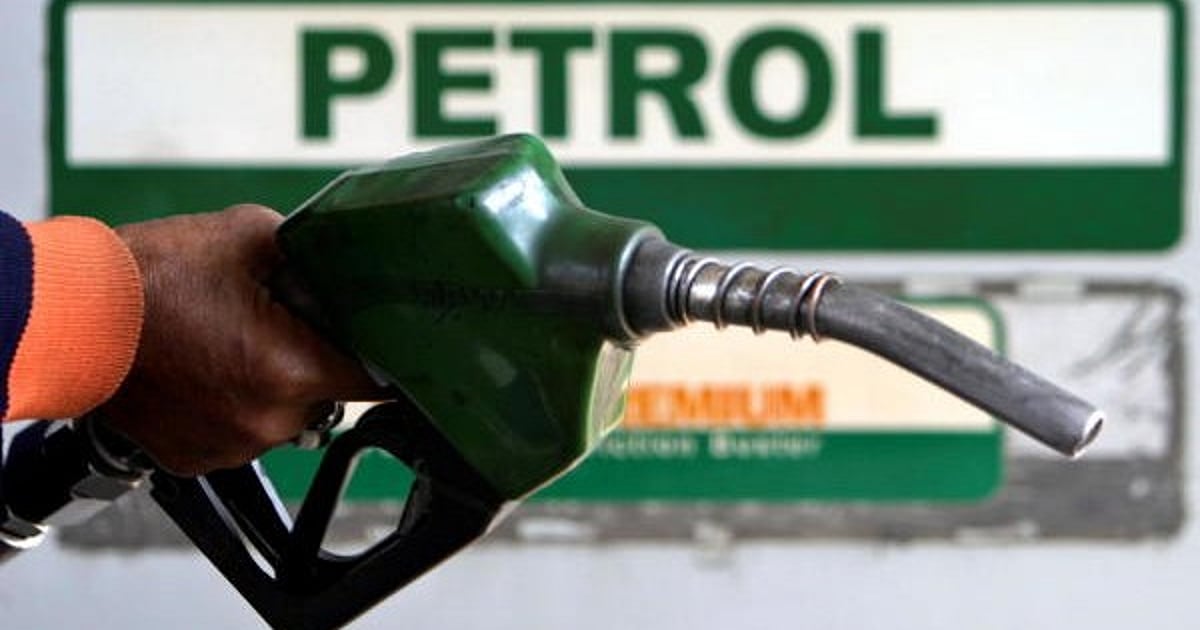
In a statement released via the ministry’s official social media channels, officials categorically denied any shortages of essential fuels across the nation. “There is NO shortage of petrol, diesel, or LPG anywhere in the country,” the ministry declared, adding that “all retail outlets are operating normally, with adequate supplies.”
The announcement comes at a time when global energy markets have experienced increased volatility due to geopolitical tensions in key oil-producing regions. Industry analysts suggest the ministry’s proactive communication aims to prevent panic buying and unnecessary stockpiling by consumers, behaviors that could potentially create artificial supply constraints.
India, the world’s third-largest oil importer, remains particularly sensitive to disruptions in global energy markets. The country imports approximately 85% of its oil needs and has been working to diversify its energy sources while building strategic petroleum reserves to buffer against international supply shocks.
Energy security has been a cornerstone of India’s economic policy in recent years, with the government implementing multiple initiatives to enhance domestic production capabilities while securing long-term supply agreements with various oil-producing nations. These efforts have included expanding refining capacity and investing in alternative energy sources.
Market observers note that rumors of fuel shortages typically emerge during periods of rising international crude oil prices or following news of supply disruptions in major oil-producing regions. The ministry’s statement appears designed to counter such misinformation before it gains traction among the public.
“Misinformation and panic-driven narratives are completely unfounded,” the ministry emphasized in its communication, urging citizens to disregard unverified claims about fuel availability.
The petroleum retail sector, comprising over 80,000 outlets across India operated by public and private companies, serves as the primary distribution network for fuel products throughout the country. Any disruption to this network would have immediate implications for transportation, agriculture, and industrial operations.
Industry experts point out that India has strengthened its fuel distribution infrastructure significantly over the past decade, with improved logistics networks and digital inventory management systems allowing for more efficient monitoring of supply levels across the country.
The ministry’s reassurance also addresses concerns about LPG (liquefied petroleum gas) supplies, which remain crucial for household cooking needs across India. Despite efforts to transition to cleaner cooking fuels, LPG cylinders continue to be the primary cooking fuel source for millions of Indian households, particularly in urban and semi-urban areas.
Energy sector analysts suggest that the ministry’s public statement reflects a proactive approach to information management during potentially volatile periods in global energy markets. By addressing rumors directly and providing clear information about supply conditions, authorities hope to prevent disruptions that could arise from consumer panic.
The statement concluded by advising citizens to maintain normal purchasing patterns and rely only on official sources for information regarding fuel availability.
This isn’t the first time Indian authorities have had to counter rumors about fuel shortages. Similar situations have occurred during previous periods of global market volatility or following policy changes affecting the energy sector. In each case, transparent communication from official channels has proven essential in maintaining consumer confidence.
As global energy markets continue to navigate uncertain waters, India’s petroleum ministry appears determined to ensure that domestic fuel supply chains remain resilient and that public confidence in the country’s energy security remains strong.
Fact Checker
Verify the accuracy of this article using The Disinformation Commission analysis and real-time sources.

47 Comments
It’s encouraging to see the government addressing rumors and concerns about potential fuel shortages. Clear and timely communication from officials can help maintain public confidence during challenging times.
The government’s denial of shortages is encouraging, but the public will want to see tangible actions and results to back up these claims. Sustained vigilance and contingency planning remain critical.
I appreciate the government’s efforts to reassure the public, but I’m still a bit skeptical. Transparency around inventory levels, supply chain risks, and contingency plans would go a long way in building trust. It’s important that they back up their claims with tangible data and detailed information.
The government’s proactive communication on fuel supplies is a step in the right direction, but I agree that they need to back up their claims with concrete data and plans. Addressing the underlying volatility in global energy markets should be a key priority to ensure long-term energy security for the country.
India’s reliance on imported oil makes it particularly vulnerable to global energy shocks. Diversifying the energy mix and boosting domestic production seem crucial to enhancing supply security.
Good point. Reducing dependence on imports through renewable energy and indigenous fossil fuel development could strengthen India’s energy resilience.
I’m curious to know more about the specific strategies the government is employing to ensure 60-day medical supply coverage. Have they diversified their supply chains, increased domestic production, or stockpiled critical items? Transparency around these efforts could go a long way.
That’s a great question. Understanding the government’s supply chain risk mitigation strategies would provide valuable insight into their preparedness and ability to withstand potential disruptions.
Reassuring to hear the government is on top of the fuel supply situation. Preventing panic buying is key to ensure stable distribution and access for all.
Transparency and accountability will be key as the government navigates this uncertain period. Ongoing monitoring and reporting will be essential to validating the claims of sufficient supply coverage.
Agreed. Substantive data and evidence-based assessments will be crucial to building public trust in the government’s ability to manage the situation effectively.
India’s energy security strategy will likely need to evolve to address the country’s heavy reliance on imported fuels. Domestic production, renewable energy, and strategic stockpiling may all play a role.
The government’s firm denial of any fuel shortages is reassuring, but it will be important to closely monitor the situation as global energy markets remain volatile.
Glad to see the government taking proactive steps to address potential fuel shortages. Maintaining stable energy supplies is critical for a growing economy like India.
Agreed. Transparency and timely communication from officials can help mitigate public concerns and ensure orderly market operations.
Maintaining public confidence during times of uncertainty is a delicate balancing act. Transparent communication from authorities can help prevent panic and unnecessary hoarding.
Absolutely. Proactive messaging and clear information sharing are vital to avoid creating artificial supply constraints.
The government’s assertion of stable energy supplies is reassuring, but I wonder how they plan to address the underlying volatility in global markets. Diversifying import sources, investing in domestic production, and strengthening strategic reserves could be prudent steps to enhance long-term resilience.
Those are all excellent points. Implementing a comprehensive energy security strategy will be crucial for India to navigate the current geopolitical uncertainties and ensure reliable fuel supplies for its citizens.
The government’s assertion of 60-day medical supply coverage is promising, but the public will want to see tangible evidence that shortages have been averted.
Agreed. Ongoing monitoring and transparent reporting on inventory levels and distribution will be crucial to maintaining public trust.
The government’s assertion of 60-day medical supply coverage is noteworthy, but I wonder how they arrived at that figure. What factors did they consider, and how did they determine that it would be sufficient? I’d like to see more detailed information on their supply chain analysis and risk mitigation strategies.
That’s a fair point. Providing more transparency around the methodology and assumptions used to arrive at the 60-day coverage claim would help the public better understand the government’s preparedness and decision-making process.
Interesting to see the government’s assurance of stable fuel supplies amid global market volatility. Transparency and communication are key to avoiding panic-buying and maintaining public confidence.
Agreed. Proactive statements from authorities can help prevent unnecessary stockpiling and disruptions to the supply chain.
It’s good to see the government taking a proactive stance in communicating about medical and energy supplies. However, I think they need to back up their claims with detailed data and concrete plans. Mere assurances may not be enough to fully allay public concerns during these turbulent times.
The government’s denial of any fuel shortages is certainly noteworthy. With global energy markets so volatile, proactive communication is crucial to prevent panic and unnecessary stockpiling by consumers. Let’s hope they can back up these claims with tangible data.
Agreed. Clear and frequent updates from the ministry will be important to maintain public trust, especially given India’s heavy reliance on imported energy.
Appreciate the ministry’s transparency in addressing the rumors. Maintaining public confidence in energy security is crucial, especially during times of global volatility.
Absolutely. Clear communication from authorities can go a long way in avoiding unnecessary disruptions.
Interesting to see the government asserting confidence in medical supply coverage despite reports of shortages. I wonder what specific data or metrics they are using to make this claim. Transparency around inventory levels would help provide reassurance to the public.
You raise a fair point. Providing more detailed information on current supply levels and distribution plans could go a long way in addressing public concerns.
India’s energy security strategy is undoubtedly a complex challenge, but the government’s proactive communication is a step in the right direction to maintain public confidence.
India’s reliance on imported oil is a significant vulnerability, but it’s good to see the government taking steps to ensure adequate domestic supply. Diversifying energy sources should be a priority.
Absolutely. Reducing India’s dependence on imported oil through renewable energy investment and improving domestic production would help strengthen the country’s energy security.
The ministry’s denial of fuel shortages is reassuring, but I hope they are also exploring ways to bolster India’s long-term energy security and resilience.
That’s a good point. Diversifying energy sources and improving distribution infrastructure could help insulate India from global shocks.
The government’s denial of fuel shortages is noteworthy, but I wonder how they plan to address the underlying volatility in global energy markets. Diversifying import sources, investing in domestic production, and strengthening strategic reserves could be prudent steps to enhance long-term resilience.
Those are all excellent points. Implementing a comprehensive energy security strategy will be crucial for India to navigate the current geopolitical uncertainties and ensure reliable fuel supplies for its citizens.
Denying the existence of shortages is one thing, but the true test will be whether the government can effectively coordinate the logistics and distribution of essential supplies.
Exactly. Practical implementation and execution will be crucial to ensuring adequate coverage and availability of critical resources.
I’m curious to know more about India’s efforts to reduce its reliance on imported oil and diversify its energy mix. Reducing import dependence seems like a prudent long-term strategy.
This is good to hear that the government is reassuring the public about the fuel supply situation. Maintaining stable and secure energy access is crucial, especially during times of global volatility.
I agree. It’s important for the government to be transparent and proactive in communicating about the energy supply to prevent panic and unnecessary stockpiling.
While the assurances are welcome, I wonder if there are any underlying vulnerabilities in India’s fuel distribution network that could still pose risks. Continuous monitoring and preparedness are key.
Efficient and reliable fuel supplies are essential for India’s economic growth and development. I’m glad the government is taking proactive measures to address potential disruptions.
While the government’s statements aim to reassure the public, concerns about potential supply chain disruptions are understandable given the global context. Vigilance and preparedness remain important.