


Listen to the article
Texas Congressman Crenshaw Blames Misinformation for Primary Defeat
Representative Dan Crenshaw of Texas has attributed his recent primary election loss to what he calls widespread misinformation among Republican voters. The three-term congressman was defeated by state Representative Steve Toth by a substantial 15-point margin in the Republican primary for Texas’ 2nd Congressional District.
Speaking to reporters after conceding the race, Crenshaw expressed frustration over what he described as the “power of clickbait” in shaping voter perceptions. “Memes became truth,” he said, lamenting that many voters were convinced he had engaged in insider trading despite his denials.
Throughout the campaign, Toth and conservative media figure Tucker Carlson repeatedly accused Crenshaw of using his congressional position for financial gain through stock trading. Crenshaw firmly rejected these allegations, stating that he hadn’t made a stock trade in three years and had earned less than $46,000 from investments during his entire seven-year tenure in Congress.
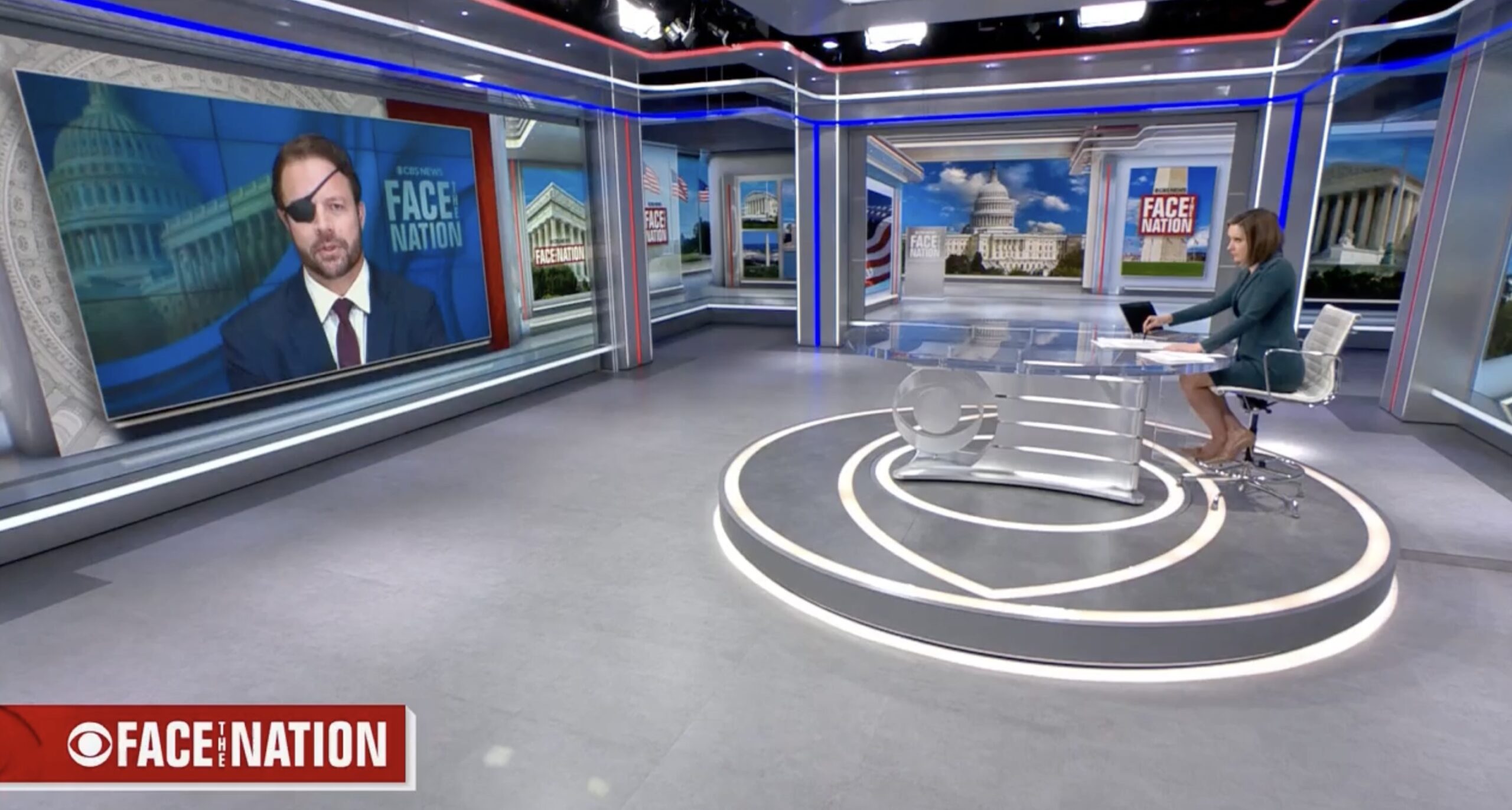
In a Sunday appearance on CBS News’ “Face the Nation,” Crenshaw elaborated on the challenges he faced during the primary. “I’ve been the target of online smears and conspiracies for a long, long time, and my election was basically a product of that,” he told host Margaret Brennan.
The congressman highlighted the relatively low turnout in Republican primaries, noting that only about 20 percent of registered Republican voters participated. Among those who did vote, Crenshaw claimed many were influenced by false narratives that persisted despite attempts to debunk them.
“People were going into the voting booth actually believing I was worth millions of dollars from insider trading,” Crenshaw said. “Doesn’t matter how many times we thought we had debunked that or that other people and influencers have debunked it, people still went in believing it.”
Crenshaw’s defeat represents a significant shift in Texas’ 2nd District, which encompasses parts of northern and eastern Harris County. Political analysts note that his loss follows a pattern of more moderate Republicans facing challenges from candidates aligned with the party’s far-right wing.
The congressman also directed blame toward Democrats, claiming they spent nearly $1 million “pushing these smears on television.” He expressed dismay that Republican voters would make decisions based on “a smear headline written by a liberal reporter in D.C.”
Crenshaw’s defeat comes amid growing polarization within the Republican Party, with establishment figures increasingly vulnerable to challenges from candidates who position themselves as more ideologically pure. Toth campaigned as a staunch conservative, aligning himself closely with former President Donald Trump’s agenda and attacking Crenshaw for occasional breaks with party orthodoxy.
Political experts point out that Crenshaw’s situation reflects the changing dynamics within the Republican primary electorate, where social media and alternative news sources can significantly influence voter perceptions. The power of online narratives to shape electoral outcomes has become an increasingly important factor in American politics.
“The lesson to be learned is, look, you’ve got to get the truth out. You have to try,” Crenshaw said on “Face the Nation.” But he emphasized that the ultimate responsibility lies with voters: “This is a question for the American people: Are you going to believe everything that you read online or that is sent to you in your mail?”
As Toth prepares to advance to the general election in what is considered a safely Republican district, Crenshaw’s defeat serves as a stark reminder of how information—and misinformation—can determine political fortunes in the digital age.
Fact Checker
Verify the accuracy of this article using The Disinformation Commission analysis and real-time sources.

10 Comments
The power of social media to spread misinformation is concerning. While voters should be critical consumers of information, candidates also have a responsibility to counter false narratives and provide clarity. This is crucial for maintaining trust in our elections.
Well said. Elected officials need to be proactive in addressing misinformation that could sway voters. Transparent communication and fact-based campaigns are essential for a healthy democracy.
It’s concerning to hear about the spread of misinformation impacting election outcomes. Voters deserve accurate information to make informed decisions. Relying on memes and unsubstantiated allegations is troubling and undermines the democratic process.
I agree, misinformation can be very damaging. Elected officials should work to counter false narratives and provide voters with reliable facts.
This highlights the challenges of navigating the online information landscape. Voters must be vigilant in seeking out authoritative sources and fact-checking claims, rather than relying on unsubstantiated memes or partisan rhetoric.
Agreed. In an era of ubiquitous social media, it’s critical that voters take the time to research candidates’ records and claims, rather than accepting everything at face value.
Allegations of insider trading are serious, but Crenshaw seems to have addressed them directly. It’s important for candidates to be transparent about their finances and respond to concerns. Voters should seek out credible sources to evaluate the facts.
Absolutely, politicians need to be accountable. Voters should look beyond sensationalized claims and focus on the evidence when assessing a candidate’s record.
Crenshaw’s experience is a cautionary tale about the risks of misinformation in the digital age. Elected officials and media outlets have a responsibility to combat the spread of falsehoods and ensure voters have access to reliable information.
Absolutely. Maintaining the integrity of our elections should be a top priority for all stakeholders, from politicians to technology companies to individual citizens.