


Listen to the article
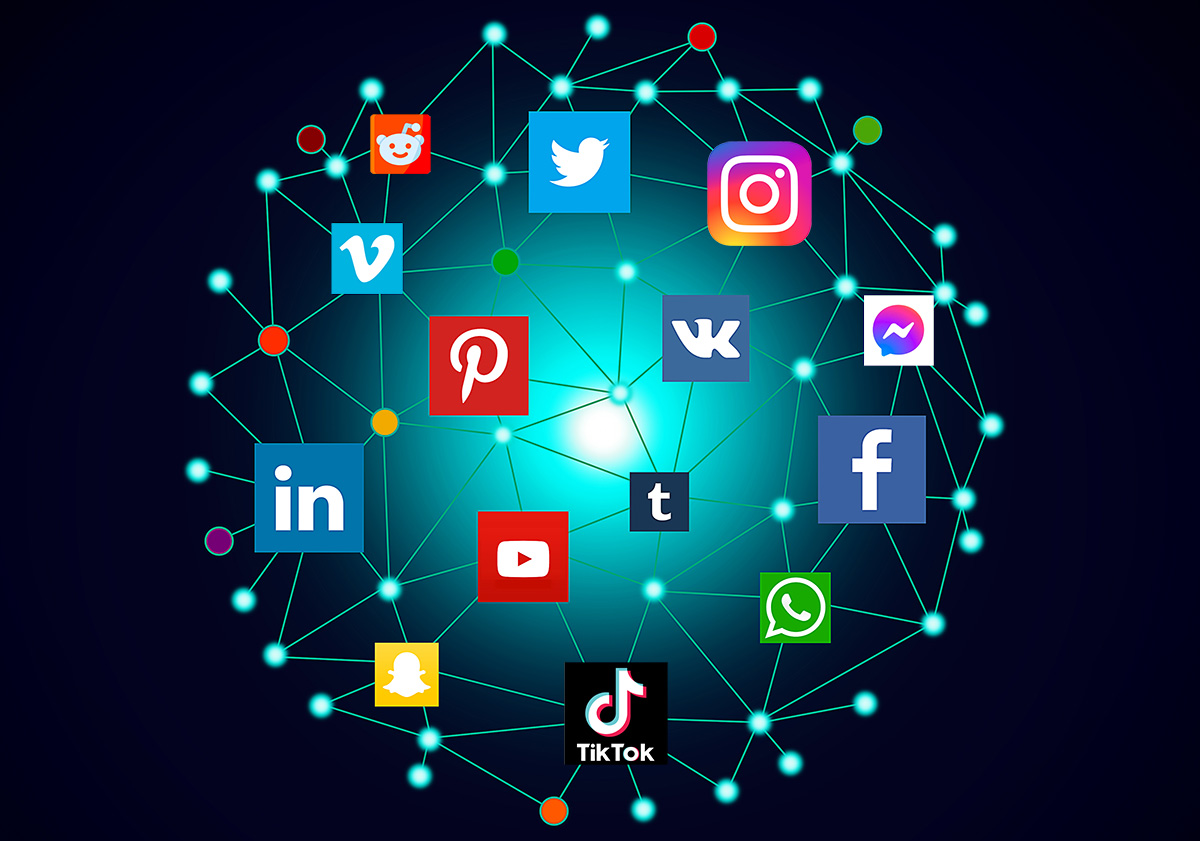
Social media platforms Facebook and TikTok have been suspended indefinitely in Gabon, as authorities cite concerns over divisive content that could potentially incite conflict in the Central African nation. Users across the country reported both platforms becoming inaccessible as of Wednesday, following an announcement by the country’s media regulatory authority.
The High Authority for Communication made the decision to impose an “immediate suspension of social media platforms” on Tuesday, though the statement initially did not specify which platforms would be affected. Jean-Claude Mendome, the regulator’s spokesperson, delivered the announcement through a televised statement, pointing to the proliferation of “inappropriate, defamatory, hateful, and insulting content” as the primary reason for the suspension.
“Such content poses a significant danger to human dignity, public morality, the honor of citizens, social cohesion, the stability of the republic’s institutions, and national security,” Mendome stated during the broadcast.
The suspension comes during a period of growing social unrest in Gabon. Teachers have been on strike since December over grievances related to compensation and working conditions. This labor action has catalyzed protests across multiple public sectors, including healthcare, higher education, and broadcasting services, creating a challenging environment for President Brice Oligui Nguema’s administration less than a year after he assumed office.
Mendome further elaborated on the government’s concerns, citing “the spread of false information,” “cyberbullying,” and the “unauthorized disclosure of personal data” as additional justifications for the suspension. While acknowledging that freedom of expression is constitutionally protected in Gabon, he emphasized that such rights must be exercised within the framework of established national and international laws.
“Unchecked actions on these platforms could lead to social conflict, undermine our republic’s institutions, and seriously threaten national unity and democratic progress,” Mendome warned.
This social media crackdown follows significant political upheaval in the oil-rich nation. In August 2023, Gabon experienced a military coup that removed President Ali Bongo Ondimba from power, ending his family’s 56-year rule. Bongo had succeeded his father Omar Bongo in 2009, who had governed the country since 1967.
The coup in Gabon is part of a broader pattern of military takeovers that has swept across West and Central Africa in recent years. Similar power seizures have occurred in neighboring countries including Mali, Niger, and Burkina Faso, reflecting growing political instability across the region.
Digital rights advocates have expressed concern about the suspension, noting that social media restrictions have increasingly become a tool for governments facing domestic criticism. The indefinite nature of the ban is particularly troubling to free speech advocates, who point out that such measures often extend well beyond their initially stated timeframes.
Gabon’s economy, heavily dependent on oil exports, has struggled with inequality despite its natural resource wealth. The country of approximately 2.3 million people has experienced limited economic diversification, with much of the population not benefiting from its oil revenues.
It remains unclear whether other social media and messaging platforms beyond Facebook and TikTok remain accessible in the country. Government officials have not provided a timeline for when the restrictions might be lifted or what specific conditions would need to be met for service restoration.
This is not the first instance of media restrictions in the region. In November 2023, Mali’s media regulator suspended French news channels LCI and TF1, accusing them of broadcasting false information regarding a fuel blockade allegedly imposed by an al-Qaeda-linked armed group.
Fact Checker
Verify the accuracy of this article using The Disinformation Commission analysis and real-time sources.

13 Comments
This move by the Gabonese government highlights the complex relationship between social media, free speech, and national security. While I understand the desire to curb the spread of harmful content, suspending entire platforms sets a troubling precedent. I hope the authorities can find more targeted and proportionate ways to address misinformation without infringing on fundamental rights.
Agreed. The suspension of Facebook and TikTok is a concerning development, and it will be important for the international community to closely monitor the situation in Gabon to ensure that basic freedoms are protected.
While I understand the Gabonese government’s desire to maintain stability, suspending social media platforms is a drastic step that could backfire. These platforms can also be important tools for organizing, communication, and amplifying marginalized voices. I hope the authorities find a way to address misinformation without resorting to outright censorship.
This suspension highlights the challenges governments face in managing the impact of social media, especially during periods of social upheaval. The authorities in Gabon seem concerned about the spread of divisive content, but it will be critical that they ensure this doesn’t become a broader crackdown on free expression.
Absolutely. Temporary measures like this can set a concerning precedent if not handled carefully. The Gabonese government will need to demonstrate that this suspension is truly a last resort and that they have credible plans to address the root causes of the unrest.
The suspension of Facebook and TikTok in Gabon is a complex issue that highlights the challenges governments face in managing the impact of social media. While the authorities may have legitimate concerns about the spread of misinformation and the potential for social unrest, outright platform bans are a blunt and potentially counterproductive tool. I hope the Gabonese government can find a way to address the root causes of the issues without unduly restricting fundamental freedoms.
Absolutely. Social media platforms can be double-edged swords, amplifying both positive and negative content. The key is for governments to find a balanced approach that safeguards public safety without infringing on civil liberties. This will require nuanced policymaking and close engagement with all stakeholders.
The decision to suspend Facebook and TikTok in Gabon raises important questions about the role of social media in modern societies and the balance between free expression and national stability. While the government cites concerns over misinformation and unrest, these platforms also serve as vital channels for civic engagement and the free flow of information. I hope the authorities can find a more nuanced approach that addresses specific issues without resorting to broad censorship.
The suspension of Facebook and TikTok in Gabon is a complex issue. On one hand, the government may have legitimate concerns about the spread of harmful misinformation. But on the other, social media platforms can also play a crucial role in enabling free speech and civic engagement. I’ll be watching closely to see how this situation evolves.
Agreed. This is a delicate balancing act, and the Gabonese authorities will need to tread carefully to ensure they don’t inadvertently undermine democratic rights and freedoms in the name of stability.
Interesting move by the Gabonese government. While social media platforms can be powerful tools, they can also amplify misinformation and social unrest. Suspending them temporarily may be a necessary step to maintain stability, though it will be important to ensure it doesn’t infringe on free speech rights.
I agree, it’s a delicate balance. Social media platforms need to be responsibly moderated, but outright suspension isn’t a long-term solution. Let’s hope the authorities in Gabon can address the underlying issues driving social unrest.
The decision to suspend Facebook and TikTok in Gabon raises important questions about the role of social media in modern societies. While the government cites concerns over misinformation and unrest, these platforms also serve as vital channels for free expression and civic participation. I hope the authorities in Gabon can find a way to address the specific issues without resorting to broad censorship.