


Listen to the article
France Battles Online Misinformation with Wit and Data
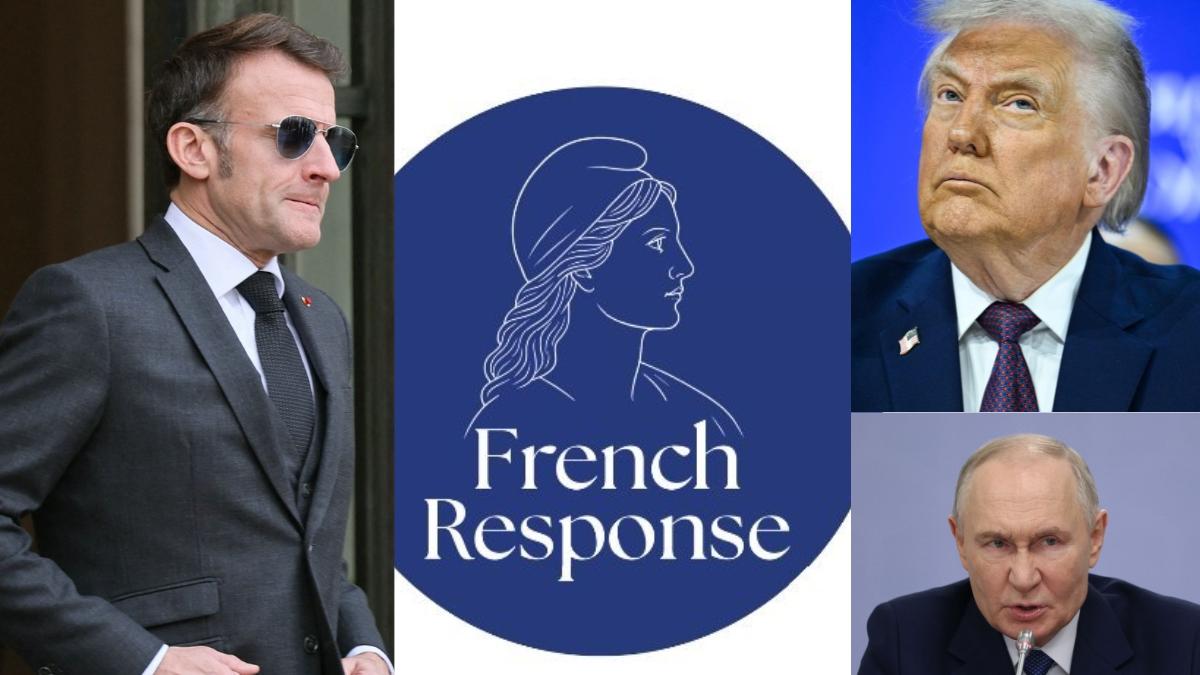
France’s foreign ministry has escalated its digital diplomacy efforts through an English-language X account that directly challenges misinformation from American, Russian and even White House-linked sources. The “French Response” account, which has gained approximately 100,000 followers since its September launch, combines humor with fact-based rebuttals to counter false narratives.
The initiative gained significant attention this week following criticism of European culture by U.S. Secretary of State Marco Rubio on X. The French team responded with a data-rich comparison table highlighting areas where the European Union outperforms the United States, including life expectancy and student debt levels. The post was simply captioned: “Our culture.”
“Information has become a new battleground,” explained French foreign ministry spokesperson Pascal Confavreux, noting that silence is no longer an option in the face of coordinated misinformation campaigns. The account is managed by a team of diplomats, former journalists, and professional fact-checkers who actively monitor and respond to false claims.
During the World Economic Forum in Davos, the account proved particularly valuable. When French President Emmanuel Macron appeared wearing aviator sunglasses—later explained by his team as necessary due to a burst blood vessel—U.S. President Donald Trump mocked his appearance. In response, French newspapers prominently featured Macron’s images, which the French Response account amplified, effectively turning potential ridicule into positive coverage.
The account has also directly confronted Russian disinformation. When a Russian user falsely claimed that Macron had left Davos early to avoid Trump, the French account responded sarcastically, noting it was “another impeccably planned French leave” while pointing out that Macron had never planned to attend that day.
Earlier this month, the account displayed its characteristic wit when responding to a U.S. user who claimed America would “easily take over France” after conquering Greenland and Canada. The French Response team joked that the Statue of Liberty—France’s historic gift to the United States—had been spotted “swimming back across the Atlantic.”
While the approach has proven effective at capturing attention and correcting misinformation, experts caution about potential risks. Ruslan Trad of the Digital Forensic Research Lab warned that official diplomatic “trolling” could blur the distinction between democratic institutions and disinformation actors, potentially undermining credibility in the long term.
The French initiative represents a significant shift in diplomatic communication strategy at a time when governments worldwide are struggling to counter false narratives. Traditional diplomatic responses, often delivered through formal press releases or statements, frequently fail to reach the same audiences exposed to misinformation on social media platforms.
This development comes amid growing concerns about the weaponization of information in international relations. France’s approach reflects a broader recognition that digital spaces have become critical theaters for geopolitical influence, requiring innovative countermeasures that can engage audiences effectively while maintaining factual accuracy.
French officials maintain that their approach is carefully calibrated to defend facts while engaging audiences in an increasingly hostile online information environment. The strategy represents an evolution in how democratic governments respond to disinformation campaigns that have become standard tools of geopolitical influence.
The account’s success could potentially influence how other nations approach digital diplomacy, as governments worldwide seek effective methods to combat misinformation while maintaining their institutional credibility and diplomatic standing.
Fact Checker
Verify the accuracy of this article using The Disinformation Commission analysis and real-time sources.

6 Comments
While I applaud France’s proactive approach, I wonder about the broader geopolitical implications of nations using social media as a battleground for information warfare. This could further polarize global discourse and undermine trust in institutions.
That’s a valid concern. Maintaining objectivity and avoiding escalation will be critical. The French team will need to walk a fine line between forceful rebuttal and stoking further division.
The French foreign ministry’s foray into social media diplomacy is a bold step. It will be important to monitor the impact and effectiveness of this effort over time. Fact-checking and real-time responses are crucial in the age of information warfare.
You’re right, the success of this initiative will depend on sustained engagement and adaptation to evolving misinformation tactics. Transparency and accountability will also be key.
Interesting move by France to combat online misinformation. Leveraging humor and data-driven rebuttals seems like an effective approach to counter false narratives. I’m curious to see how this account evolves and what other tactics they employ.
Agree, combating misinformation requires a multi-pronged strategy. The French team’s mix of wit and facts could help sway public opinion.