


Listen to the article
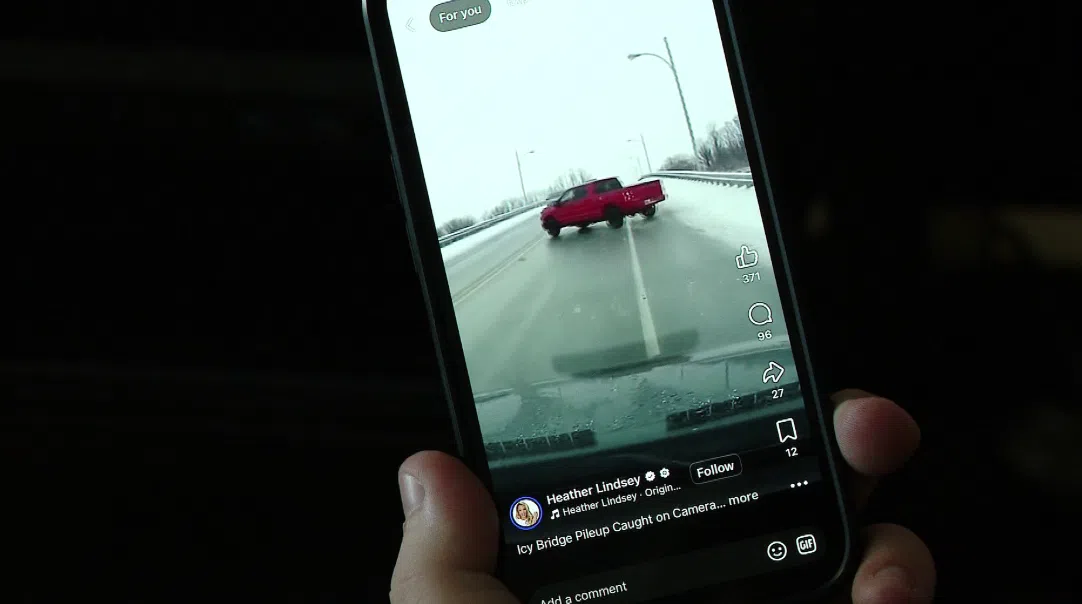
In a troubling development for digital media consumers, law enforcement officials are warning about the rise of AI-generated videos depicting fake vehicle accidents on social media platforms, potentially causing unnecessary concern among local residents.
Fox Valley authorities have identified an emerging pattern of artificial intelligence-created content showing vehicles losing control on snowy highways. These deceptive videos, which sometimes appear without proper disclaimers, can be difficult to distinguish from genuine footage, creating confusion and potentially diverting emergency resources.
“With AI videos being more and more prevalent on the internet and social media, that’s something that agencies and communities are going to have to start preparing for,” said Menasha Police Community Liaison Officer Matthew Roe. He emphasized the importance of public education, adding, “We can help educate the community on how to determine, ‘Is this real? Is this fake?'”
While Northeast Wisconsin hasn’t yet experienced widespread circulation of locally-focused fake accident videos, authorities remain vigilant. The technology behind these fabrications has become increasingly sophisticated, making detection more challenging for average social media users.
Officer Joe Benoit of the Neenah Police Department indicated that while such content hasn’t significantly impacted their operations yet, the department has protocols in place. “If somebody calls our department because they’re concerned about a crash, whether that’s an actual crash or one of these AI-generated things, we would advise them if there was a road blockage or a detour established, but beyond that, we wouldn’t be providing any information,” he explained.
The phenomenon represents part of a broader trend of AI-generated misinformation that has accelerated in recent years. As artificial intelligence tools become more accessible to the general public, the creation of convincing fake content no longer requires specialized technical knowledge or expensive equipment.
Local news monitoring groups have expressed frustration over the proliferation of such content. Doug Raflik, who operates the Fond du Lac County breaking news Facebook page, criticized the practice. “It’s ridiculous. It’s amazing the quality that AI can come up with, and I’m fascinated by it. But for people to share it and be misleading with it, unacceptable,” Raflik said.
He further cautioned social media users about the reputational risks of spreading misinformation. “I don’t want to tell people not to share stuff. It’s their business. But keep in mind, you kind of look like an idiot when it does turn out to be fake and you were the one saying, ‘Hey, look at this, this is it.'”
Beyond fake accident footage, Neenah police have observed other AI-generated scams targeting local residents. Particularly concerning are phone scams that utilize AI to clone the voices of victims’ loved ones, creating convincing impersonations to extract money or personal information.
Media literacy experts recommend several strategies for identifying AI-generated content, including checking for unnatural lighting, strange artifacts around moving objects, and inconsistencies in physics or environmental interactions. Users should also verify information through multiple credible sources before sharing potentially misleading content.
The rise of AI-generated misinformation presents a significant challenge for law enforcement, emergency services, and local news organizations. As detection tools struggle to keep pace with increasingly sophisticated generation technology, community awareness and critical media consumption become essential safeguards against digital deception.
Local authorities urge residents to report suspicious content to platform administrators and, in cases where public safety might be concerned, to contact appropriate emergency services for verification rather than relying solely on social media for accurate information.
Fact Checker
Verify the accuracy of this article using The Disinformation Commission analysis and real-time sources.

10 Comments
The rise of AI-generated misinformation is a troubling development. I’m glad to see the Fox Valley authorities taking proactive steps to warn the public and help them identify these deceptive videos. Ongoing vigilance and educational outreach will be crucial.
Absolutely. As AI technology advances, the potential for abuse through manipulated content will only increase. Empowering the public to be discerning consumers of digital media is key.
Kudos to the Fox Valley authorities for being vigilant about this issue. As AI capabilities expand, the potential for abuse through realistic-looking but fabricated content is a significant concern. Public awareness campaigns will be key to combating the spread of these deceptive videos.
Agreed. The sophistication of these AI-generated fakes makes them harder to spot, so education efforts are vital. Glad to see the local police taking this threat seriously.
It’s concerning to see how AI-created crash videos can be used to spread misinformation and potentially divert emergency resources. This underscores the need for robust digital media literacy programs to help the public discern fact from fiction online.
Interesting to see the rise of AI-generated crash videos being used to spread misinformation. It’s crucial for the public to be able to distinguish real footage from fakes. Education and vigilance from law enforcement will be key to addressing this issue.
Agreed, it’s important for the community to be aware of these deceptive AI-created videos and how to spot them. Proactive steps from the authorities are a good approach.
The spread of misinformation through AI-generated videos is a worrying trend. I’m glad to see law enforcement taking a proactive stance to educate the public on how to identify these fakes. Maintaining trust in digital media will be critical going forward.
This is quite concerning. The potential for AI to generate realistic-looking but completely fabricated content is a serious challenge. Robust media literacy efforts will be needed to help people discern truth from fiction online.
Absolutely. As the technology behind these fakes continues to advance, the risk of public confusion and misallocation of emergency resources grows. Ongoing community outreach is crucial.