


Listen to the article
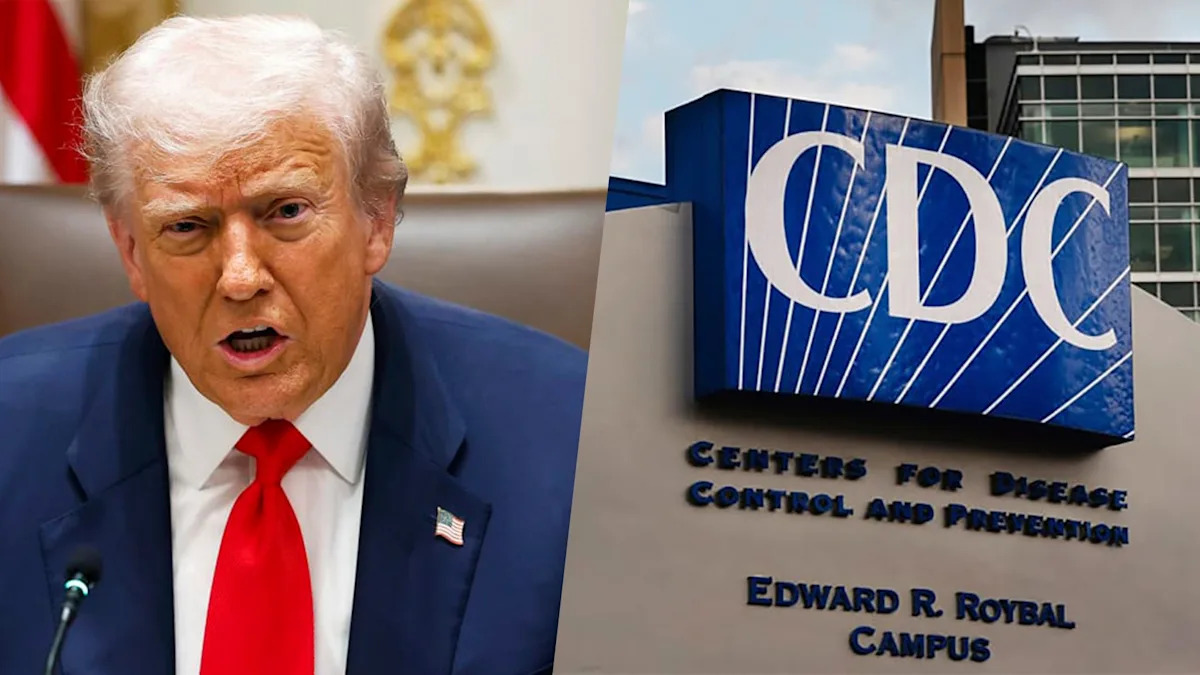
The ongoing government shutdown has stretched into its third week, leaving several federal agencies in disarray, with the Centers for Disease Control and Prevention (CDC) among the hardest hit. Public health experts warn that the extended closure is creating dangerous gaps in the nation’s disease monitoring and prevention capabilities at a critical time.
The CDC, responsible for protecting public health through disease detection, prevention, and response, has been forced to operate with severely limited resources and reduced staffing. Many essential programs are running on contingency plans or have been temporarily suspended, according to officials familiar with the situation.
“When the CDC’s operations are compromised, our entire public health infrastructure becomes vulnerable,” explained Dr. Demetre Daskalakis, who previously served as director of the National Center for Immunization and Respiratory Diseases at the CDC. “Disease surveillance systems, emergency response mechanisms, and critical research initiatives are all affected by these funding disruptions.”
During a recent interview on The Weeknight program, Daskalakis highlighted how the shutdown has paralyzed key CDC functions, including seasonal influenza monitoring, foodborne illness investigations, and emerging disease threat assessments. These disruptions come at a particularly concerning time as the fall respiratory virus season approaches.
Dr. Debra Houry, former CDC chief medical officer, also appeared on the program to discuss the broader implications of the shutdown. She pointed to the Trump administration’s mass layoff policy as particularly devastating for public health infrastructure.
“The institutional knowledge lost through widespread dismissals of career scientists and public health experts cannot be quickly replaced,” Houry noted. “These are professionals who have dedicated their careers to disease prevention and health protection. Their expertise is critical during health emergencies.”
The shutdown’s effects extend beyond the CDC to other health agencies, creating a cascading impact on the nation’s ability to respond to potential outbreaks. The National Institutes of Health has had to postpone non-emergency clinical trials, while the Food and Drug Administration has scaled back food safety inspections.
Public health departments at state and local levels, which rely heavily on federal guidance and support, report increasing difficulties maintaining essential services without CDC backup. Many local health officials describe operating in an information vacuum, unsure of when normal communications with federal partners will resume.
Health policy analysts warn that the shutdown’s timing is particularly problematic as we enter respiratory virus season. Last year saw unusually high rates of influenza, respiratory syncytial virus (RSV), and COVID-19 variants, stretching healthcare resources nationwide.
“The CDC’s disease tracking networks provide early warning signs of outbreaks and help hospitals prepare appropriate responses,” explained a health security expert from a leading public policy institute. “Without these systems operating at full capacity, we risk being blindsided by emerging health threats.”
International health organizations have also expressed concern, noting that disease threats don’t respect national boundaries. The World Health Organization has indicated that disruptions to the CDC’s global health security programs could have worldwide implications, as the agency typically plays a leading role in coordinating international outbreak responses.
Healthcare providers across the country report growing anxiety about operating without the usual flow of CDC guidance and support. Hospital administrators are implementing contingency plans, uncertain of how long they may need to function without federal assistance.
As negotiations continue in Washington, public health advocates are calling for an immediate resolution to the shutdown, emphasizing that health security infrastructure requires continuous operation to remain effective.
“Public health protection isn’t something you can simply turn off and on without consequences,” Dr. Houry stressed. “The longer these disruptions continue, the more difficult it becomes to restore full operational capacity, and the greater the risk to public health.”
Fact Checker
Verify the accuracy of this article using The Disinformation Commission analysis and real-time sources.

14 Comments
I’m worried about the impact this could have on the country’s ability to monitor and respond to disease outbreaks. The CDC’s work is so vital, we can’t afford gaps or disruptions in their operations.
Agreed. The CDC’s disease surveillance and emergency response capabilities are essential safeguards for public health. This shutdown is creating dangerous vulnerabilities that need to be addressed urgently.
Misinformation is always a concern, but it’s particularly worrying when it undermines the work of public health agencies like the CDC. Their science-based guidance is vital, so any disruptions to their operations are very concerning.
Agreed. The CDC plays a critical role in providing reliable, fact-based information to the public. Anything that undermines their ability to do that is problematic and could put people at risk.
This is really concerning. The CDC’s role in protecting public health is so critical, especially during times of uncertainty. Disruptions to their work due to the shutdown could have serious consequences.
You’re right, this is very worrying. The CDC’s expertise and infrastructure are a vital line of defense against public health threats. We can’t afford to see those capabilities diminished or disrupted.
It’s alarming to hear that the CDC’s operations are being compromised by the government shutdown. Their disease monitoring and emergency response capabilities are essential safeguards for public health and safety.
I agree, this is deeply concerning. The CDC plays a vital role in protecting the country from health threats. Funding disruptions that undermine their work could leave us vulnerable at a critical time.
Misinformation can also undermine public health efforts. It’s troubling to hear about the CDC’s reduced capacity due to the shutdown. Rigorous data and science-based guidance from the CDC is so important.
Absolutely. Credible, fact-based public health information from the CDC is critical, especially during challenging times. This shutdown is putting that at risk, which is very concerning.
The CDC’s role in disease surveillance and outbreak response is so crucial. This shutdown is creating dangerous gaps in their operations that could have serious public health consequences if not addressed quickly.
Absolutely. The CDC’s expertise and capabilities are essential for safeguarding public health. We can’t afford to see that compromised due to political dysfunction. This needs to be resolved as a matter of urgency.
This is deeply concerning. The CDC plays a crucial role in monitoring and responding to public health threats. Gaps in their operations could leave us vulnerable to outbreaks. We need to address this funding crisis urgently.
Agreed. The CDC’s work is essential to protecting public health. This shutdown is putting that at risk and we can’t afford any lapses in disease surveillance or emergency response.