


Listen to the article
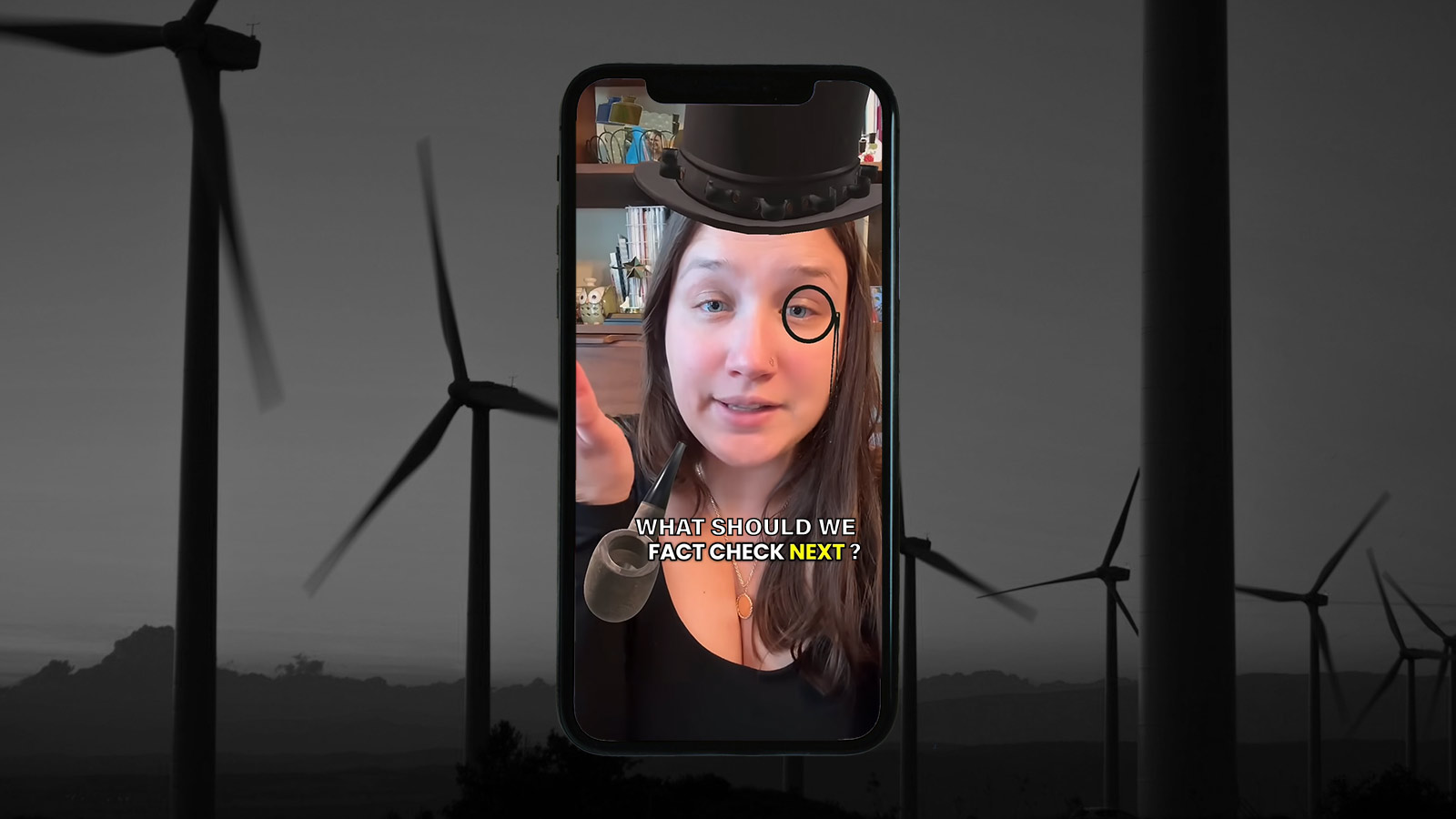
As disinformation about climate change continues to spread across social media platforms, a collection of short, accessible videos has emerged to counter common climate myths and falsehoods circulating online. These concise educational resources address prevalent misconceptions while providing viewers with accurate scientific information in an easily digestible format.
Among these resources is a 90-second video from the United Nations Environment Programme that directly tackles the false claim that climate change isn’t real because it’s snowing. The video clearly explains the critical distinction between weather and climate, noting that while weather refers to short-term atmospheric conditions in specific locations, climate describes long-term patterns across entire regions or the globe. The explanation emphasizes that individual cold snaps or snowstorms do not contradict the overwhelming evidence of long-term global warming.
Another persistent myth addressed by these educational videos is the claim that humans aren’t responsible for climate change. A brief explainer from the National Oceanic and Atmospheric Administration (NOAA) systematically dismantles this misconception by walking viewers through the scientific evidence. The video presents data on carbon dioxide levels, which have increased dramatically since the Industrial Revolution, alongside rising global temperatures that closely correlate with human activities.
The collection also includes content addressing the misleading argument that climate change would actually benefit humanity. A video produced by climate scientists refutes this claim by detailing the numerous negative consequences already affecting communities worldwide, including more frequent and intense extreme weather events, rising sea levels threatening coastal populations, and agricultural disruptions impacting food security.
Climate disinformation often includes economic arguments, particularly claims that transitioning to clean energy would destroy jobs and economies. One video in the collection presents economic research showing that renewable energy development has created millions of jobs globally while prices for technologies like solar panels and wind turbines have fallen dramatically, making them increasingly competitive with fossil fuels in many markets.
The fifth video addresses the common tactic of climate science denial that suggests scientific consensus doesn’t exist on climate change. This educational piece highlights multiple peer-reviewed studies showing that approximately 99% of actively publishing climate scientists agree that climate change is real and primarily human-caused – a level of scientific consensus comparable to established facts like evolution or the harmful effects of smoking.
Media literacy experts note that these short-format videos serve an important function in today’s information landscape. Dr. Jennifer Richards, a communications researcher at Columbia University, explains, “In an era where misinformation can spread rapidly through social media, these digestible, evidence-based videos provide an essential counterbalance. They give viewers the tools to identify false claims and understand the underlying science.”
The videos have gained traction across various platforms, with educators, journalists, and climate advocates sharing them to combat the persistent spread of climate misinformation. Climate communication specialists emphasize that addressing these myths directly is crucial, as research shows that unchallenged falsehoods can delay meaningful climate action.
The creators of these resources have designed them specifically for social media sharing, recognizing that climate misinformation often spreads through these channels. By matching the brief, engaging format popular on these platforms, the videos aim to reach audiences who might not seek out longer-form climate education content.
As climate misinformation continues to evolve and spread, these educational resources represent part of a broader effort to ensure that accurate scientific information remains accessible to the public. Climate communicators emphasize that countering falsehoods with clear, evidence-based explanations remains essential to fostering informed public discourse on one of the defining challenges of our time.
Fact Checker
Verify the accuracy of this article using The Disinformation Commission analysis and real-time sources.

12 Comments
Concise, accessible videos are a smart approach to countering common climate misconceptions. Providing viewers with accurate information in an easy-to-understand format could help address the spread of disinformation.
You’re right, the digestible format is important. Climate science can be complex, so simplifying the key points is an effective way to educate a wider audience.
It’s good to see organizations like the UN and NOAA taking an active role in countering climate change misinformation. These types of educational resources could be very impactful.
Absolutely, having authoritative scientific bodies provide these explanations lends them a lot of credibility.
The systematic debunking of the claim that humans aren’t responsible for climate change is particularly important. Providing the scientific evidence in a clear way is crucial.
These short explainers seem like a helpful way to address misinformation around climate change. Providing clear, factual information is crucial in countering the spread of climate denial narratives online.
I’m glad to see efforts to educate the public on the science behind climate change. Distinguishing weather from climate patterns is a key point these videos appear to make effectively.
Agreed, that distinction is critical. Climate change is a global, long-term trend that can’t be dismissed based on localized weather events.
These educational resources seem like a constructive response to climate change denial narratives circulating online. Directly addressing prevalent myths with factual information is a necessary step.
I appreciate efforts to push back against the proliferation of climate disinformation. Debunking misconceptions through concise, science-based videos is a smart approach.
Interesting to see these videos debunking common climate change myths. It’s important to separate weather from long-term climate trends and acknowledge the overwhelming scientific evidence for human-caused global warming.
These short videos seem like a valuable tool for promoting climate literacy and dispelling common myths. Their accessibility and focus on key distinctions like weather vs. climate are notable.