


Listen to the article
DePaul Professor Tackles Global Misinformation Crisis Through Fulbright Award
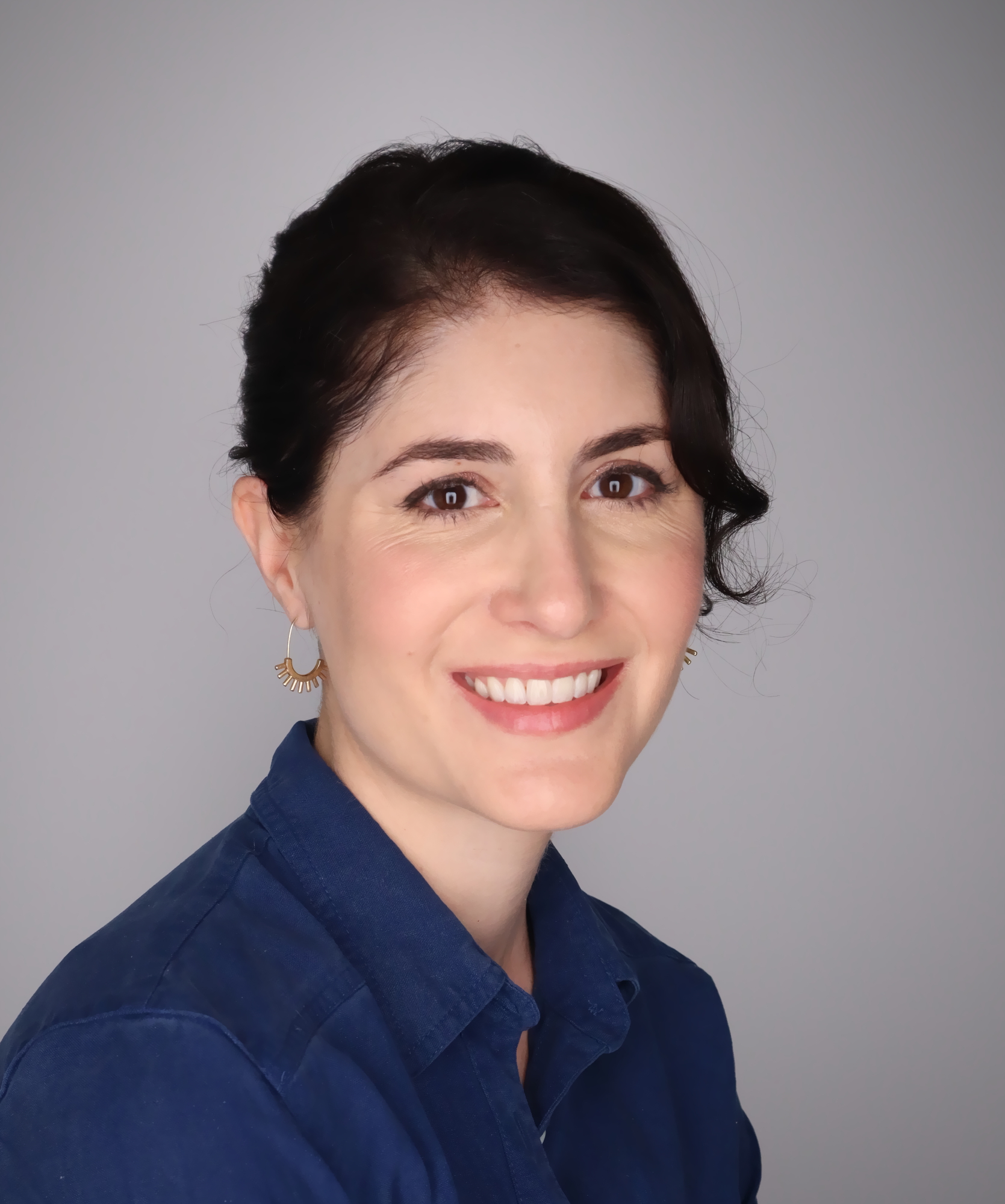
“Everybody agrees misinformation is a problem, but nobody thinks it’s their problem,” says Stefanie Demetriades, an assistant professor in DePaul University’s College of Communication. “The most important first step is recognizing that we are all susceptible to it; this isn’t an us-versus-them problem. It’s an us problem.”
Demetriades was recently honored with the prestigious Fulbright Global Challenges Teaching Award for her innovative course on misinformation, disinformation, polarization, and technology’s role in society. The award enables her to implement a virtual exchange component in her course, “Misinformation in Times of Upheaval,” connecting students across international borders to address this growing global challenge.
According to Demetriades, misinformation thrives not just because inaccurate information exists, but because of fundamental flaws in how humans process information. “There are gaps in how we process information and believe what we want to believe,” she explains. “The much larger question is about how we respond to it, and to what extent we’re willing to be corrected.”
Social media platforms have dramatically accelerated this problem. “We have to remember that social media is designed above all to prioritize engagement,” Demetriades points out. “In practice, that often means the most sensationalized and divisive content is prioritized, regardless of accuracy.”
This algorithmic preference for engagement over accuracy creates an environment where misinformation flourishes. Content that provokes strong emotional responses—particularly fear and anger—tends to spread fastest and gain the most traction online, regardless of its factual basis.
The professor suggests several practical strategies to combat misinformation. First is self-awareness: acknowledging personal biases and being willing to accept when facts contradict preferred beliefs. “Looking inward and acknowledging what you want the truth to be and then being willing to accept that may not be the objective fact on the ground, is a crucial step,” she says.
She also recommends developing a critical eye for emotional manipulation in online content. “If you come across social media content that is really sensationalized and leans into anger and fear, that should be a mental speed bump,” Demetriades advises. This emotional triggering is a common tactic used to spread misinformation rapidly.
Another key distinction she emphasizes is between personal anecdotes and scientific evidence. While personal stories are powerful and engaging, they don’t constitute rigorous evidence. “To be able to say, that’s a really powerful personal story, but that doesn’t necessarily mean their conclusion is valid,” is an important critical thinking skill.
In her teaching approach, Demetriades breaks down the complex issue of misinformation into manageable segments, helping students feel they have agency in addressing the problem. She connects theoretical concepts to personal experiences—like disagreements with relatives over facts—making the abstract issue relatable and actionable.
“I want students to continue to see misinformation as an actual thing we can identify, break down and evaluate. This makes it less overwhelming, even though it’s a complex problem,” she says.
Demetriades emphasizes that falling for misinformation isn’t a personal failing but a universal vulnerability. “We must give ourselves a little break in this case and recognize that we’re all vulnerable,” she notes. “A bit more humility is necessary, recognizing that it’s not embarrassing or shameful to be susceptible or to fall for misinformation. A lot of times, it’s very convincing and a lot more compelling than the truth.”
The Fulbright award represents significant recognition of Demetriades’ work in this critical field. As digital misinformation continues to impact everything from public health initiatives to democratic processes worldwide, her research and teaching approach offer practical frameworks for building societal resilience against these challenges.
Through international educational collaboration, Demetriades hopes to foster a global perspective on misinformation—recognizing that while its manifestations may differ across cultures and regions, the underlying cognitive and technological factors remain consistent worldwide.
Fact Checker
Verify the accuracy of this article using The Disinformation Commission analysis and real-time sources.

13 Comments
This professor’s Fulbright project to connect students globally and tackle misinformation sounds like a great initiative. Building awareness and critical thinking skills is so important in today’s media landscape.
Agreed, getting students from different backgrounds to collaborate on this issue could lead to some valuable insights.
The professor’s emphasis on recognizing our own vulnerability to misinformation is a wise starting point. Building self-awareness is an important first step.
Curious to learn more about the specific course content and teaching methods used to address misinformation. Interdisciplinary approaches seem vital for tackling this complex challenge.
This article highlights the importance of media literacy and the ability to discern fact from fiction. A global, collaborative approach seems necessary to combat misinformation effectively.
It’s concerning how much misinformation can spread, especially on social media. Equipping people with the skills to critically evaluate information sources is critical.
The professor’s point about ‘us-versus-them’ is well taken. Misinformation affects everyone, so we all have a role to play in addressing it.
Fundamental flaws in how humans process information are a big part of the misinformation problem. Developing guardrails and corrective mechanisms will be crucial going forward.
Impressive that this professor is being recognized for her innovative work on misinformation. Excited to see the outcomes of the virtual exchange component of her course.
Interesting article on the growing challenge of misinformation. It’s a complex issue that affects us all, not just ‘them’. Recognizing our own susceptibility is key to addressing it.
Tackling the fundamental cognitive biases that make us susceptible to misinformation is crucial. Developing critical thinking skills is key.
This Fulbright project highlights the global nature of the misinformation crisis. Collaborative solutions that transcend borders will be key to making progress.
Agreed, bringing together diverse perspectives from different countries could uncover valuable insights and approaches.