


Listen to the article
Misinformation Campaign Highlights Human Right to Accurate Information
Birds armed with switchblades may sound absurd, but it’s exactly this kind of outlandish scenario that the Office of the Human Rights Commissioner of British Columbia is using to highlight a growing societal concern in their new public awareness initiative.
The playfully serious campaign, dubbed “STOP,” aims to illustrate how easily misinformation can be created and spread in today’s digital landscape. Using modern AI image and video generation tools, creating convincing footage of pigeons, crows, and seagulls wielding knives would take mere minutes—and such content can rapidly proliferate across social media platforms.
While few would genuinely believe birds are plotting armed robberies, the campaign underscores a more profound issue: the decreasing reliability of information circulating online and its potential consequences for society.
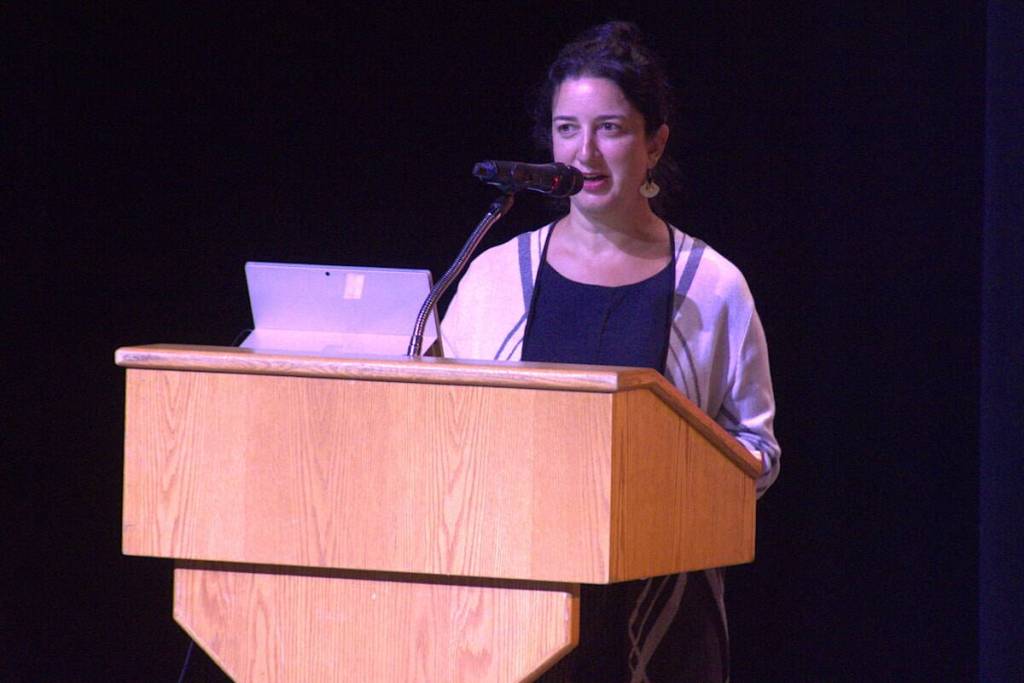
“Mis- and disinformation disrupts our sense of shared truth – and can harm our communities by undermining democracy, perpetuating stereotypes and amplifying hate,” Commissioner Kasari Govender stated. “It is important that we recognize the power that misinformation has to divide us and the threat this poses to our human rights.”
The campaign’s most compelling aspect is its central premise that accurate information should be considered a fundamental human right. This framing shifts the discussion from merely condemning falsehoods to positioning reliable information as something to which all citizens are entitled.
Social scientists and digital rights advocates have increasingly voiced concerns about the societal impact of unchecked misinformation. Research suggests that false information typically spreads faster and reaches more people than factual content, creating challenges for public discourse and decision-making.
The consequences can be severe, particularly when misinformation takes the form of racist, sexist, or anti-LGBTQ+ rhetoric. Such content not only reinforces harmful stereotypes but can potentially incite real-world discrimination and violence. Recent studies have linked spikes in online hate speech to subsequent increases in hate crimes in affected communities.
Society stands at a critical juncture as we grapple with the unprecedented combination of widespread social media networks and sophisticated AI tools capable of generating virtually limitless amounts of fabricated information, images, and videos. The democratization of these technologies means that creating convincing false content no longer requires specialized skills or substantial resources.
The STOP campaign provides a practical framework for individuals to navigate this complex information landscape. The acronym reminds people to: Share only when certain something is true, Track down the Truth, Outsmart the outrage, and Poke at the point of view.
These strategies encourage critical thinking and information literacy—skills increasingly essential in the digital age. Media literacy experts suggest that developing these capabilities is crucial not just for individuals but for maintaining the health of democratic institutions that rely on an informed citizenry.
While technological solutions and platform regulations continue to evolve, the most reliable defense against misinformation remains human judgment. The ability to critically assess information sources, compare competing claims, and recognize emotional manipulation tactics serves as a crucial safeguard.
The campaign comes at a time when governments worldwide are struggling with how to address digital misinformation while balancing free speech concerns. Several countries have implemented or proposed regulations targeting false information online, though approaches vary significantly across jurisdictions.
As digital communication technologies continue to evolve, the challenge of preserving a shared factual foundation for public discourse will likely intensify. The British Columbia Human Rights Commissioner’s initiative represents one approach to addressing this challenge—by reminding citizens that reliable information isn’t merely desirable but essential to protecting human rights in the digital age.
Fact Checker
Verify the accuracy of this article using The Disinformation Commission analysis and real-time sources.

8 Comments
This is a real wake-up call. As a society, we need to prioritize media literacy and critical thinking skills to help people navigate the digital landscape more safely. Relying on authoritative, fact-based sources is crucial.
This is a worrying trend, but I’m glad to see initiatives like this trying to address it. Raising awareness and promoting digital literacy are essential steps to combat the negative impacts of misinformation.
Fascinating study, but not entirely surprising. The ease with which false information can spread these days is really concerning. We need to be more vigilant about verifying sources and fact-checking, especially on social media.
Agreed. The power of misinformation to sow division is worrying. Initiatives like this are a good step to raise awareness and help people think critically about what they see online.
Clearly, the growing prevalence of AI-generated content is a major contributor to the spread of misinformation. Regulators and tech companies need to find ways to combat this while still preserving free speech.
That’s a good point. It’s a challenging balance to strike, but the potential for harm from unchecked misinformation is severe. Transparent policies and user education will be key.
The birds with switchblades campaign is a clever way to illustrate the issue. Outlandish examples like that can really drive home how easily misinformation can spread and the importance of verifying information before sharing it.
Absolutely. Using humor and imagination to highlight a serious problem is an effective tactic. It sticks in people’s minds and encourages them to think more carefully about the information they consume.