


Listen to the article
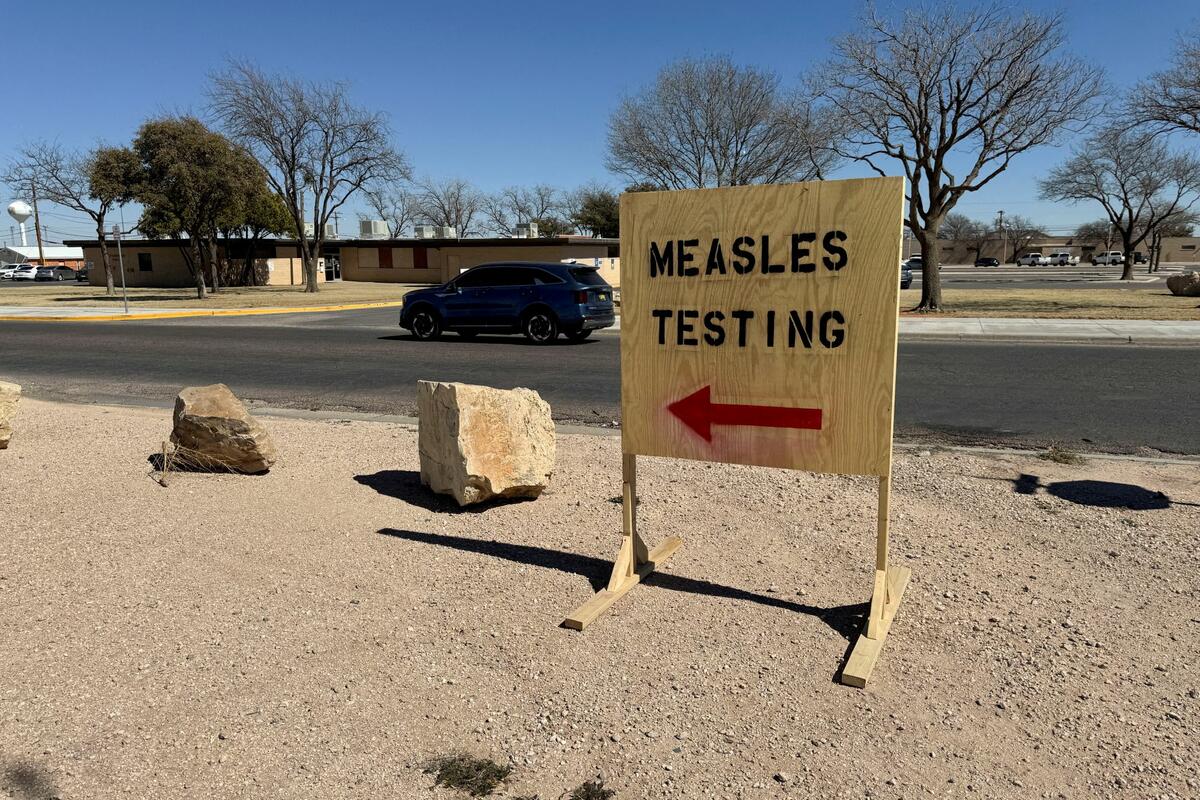
As measles cases in the United States soared to a 30-year high in 2025, public health experts are raising alarms about the consequences of vaccine skepticism infiltrating government policy. Last year, the U.S. reported 2,267 confirmed measles cases—more than seven times the number from 2024—and three preventable deaths, including two children.
The surge coincides with Robert F. Kennedy Jr.’s controversial tenure as Secretary of the Department of Health and Human Services. Since his confirmation in February, Kennedy has taken several actions that have alarmed the medical community, including firing experienced scientists from key vaccine advisory boards and replacing them with skeptics who share his views.
Kennedy, who has long promoted unfounded theories linking vaccines to autism and claimed that vaccines have “poisoned an entire generation of American children,” has also withdrawn funding for mRNA vaccine development—the technology behind the COVID-19 vaccines credited with saving millions of lives during the pandemic.
In one concerning incident, after Kennedy suggested vitamin A as an alternative to the measles vaccine, some parents in Texas administered such high doses to their children that they developed symptoms of poisoning. Tragically, unvaccinated children in the state have died from measles, a disease that had been nearly eliminated in the U.S. through vaccination.
The trend of appointing vaccine skeptics to health positions extends beyond American borders. In Slovakia, Prime Minister Robert Fico appointed Peter Kotlar, an orthopedic surgeon and anti-vaccine activist, to examine the country’s pandemic response. Kotlar’s October 2024 report described COVID-19 as “an act of bioterrorism” and claimed without evidence that mRNA vaccines alter human DNA, recommending their prohibition.
Romania provides a cautionary tale about the consequences of declining vaccination rates. Under communism, childhood vaccination was mandatory and measles effectively eradicated. But as vaccinations became voluntary after the fall of the Ceausescu regime, coverage fell dramatically from 95% to just 62% by 2023. The result was devastating: more than 30,000 measles cases in 2024 alone, including 23 deaths.
Public health officials hold positions of special responsibility that affect millions. While vaccine skeptics like Kennedy demand increasingly stringent evidence for vaccine safety, they often accept far lower standards of evidence for their own claims—relying on anecdotes, cherry-picked data, and conspiracy theories about pharmaceutical companies.
Some officials defend their positions by invoking individual freedom. However, public health experts counter that the freedom of adults to make their own decisions does not extend to choices that harm others. Children in schools should be vaccinated not only for their own protection but because refusing vaccination increases risks to others—including infants too young to be vaccinated and immunocompromised individuals who cannot receive vaccines.
When vaccination coverage falls below critical thresholds, the protection of “herd immunity” collapses, allowing preventable diseases to resurge. This pattern has been observed repeatedly throughout history and in contemporary outbreaks.
Kennedy has positioned himself as fighting against pharmaceutical industry power, referencing legitimate scandals like Purdue Pharma’s promotion of OxyContin. However, critics argue that isolated cases of corporate misconduct do not justify rejecting an entire category of medical interventions supported by mountains of evidence from independent researchers and health agencies worldwide.
“Epistemic recklessness”—maintaining beliefs contrary to overwhelming evidence when lives hang in the balance—constitutes a fundamental ethical failing, especially for those in positions of power. While scientific understanding evolves and legitimate questions about vaccine safety deserve serious examination, there remains a vast difference between good-faith research and ideological resistance to evidence.
Public health advocates are calling for governments to appoint officials with relevant scientific expertise who respect evidence rather than ideology. When officials demonstrate sustained commitment to views contradicting scientific consensus, critics argue they should be removed from positions where such views can translate into policies with deadly consequences.
As preventable disease outbreaks grow, health experts warn that the current trajectory threatens to reverse decades of public health progress unless science-based policies are restored and prioritized.
Fact Checker
Verify the accuracy of this article using The Disinformation Commission analysis and real-time sources.

9 Comments
This is a nightmarish scenario. Measles was practically eradicated, and now we’re seeing a resurgence because of dangerous anti-vax rhetoric taking hold. We can’t let the progress of modern medicine be undone by misinformation and political agendas.
This is deeply concerning. Undermining vaccine programs goes against all scientific evidence and puts vulnerable lives at risk. Elected officials need to rely on facts, not pseudoscience, when it comes to public health.
Agreed. Vaccine skepticism has no place in government policymaking. Responsible leadership requires upholding established medical protocols, not promoting unproven alternatives.
Replacing experienced experts with vaccine skeptics is incredibly irresponsible. Vaccines have saved millions of lives – we can’t let that progress be reversed by misguided ideology. This is a dangerous path that needs to be urgently corrected.
Tragic that misinformation has such serious consequences. Public health should be guided by scientific consensus, not political agendas. I hope the medical community can regain control and restore trust in vaccines.
Giving parents advice to use vitamin A instead of the measles vaccine is medical malpractice, plain and simple. That kind of misinformation can have tragic consequences for vulnerable children. The government needs to step in and shut this down immediately.
I’m really shocked and appalled by this. Vaccine hesitancy is a serious threat to public health, and allowing it to infiltrate government policy is unconscionable. We need to get back to science-based decision making before more lives are lost.
Withdrawing funding for mRNA vaccine development is a huge setback. That technology has proven incredibly effective against COVID-19 and has immense potential. We should be investing more, not less, in advancing medical science.
Absolutely. Crippling vaccine R&D at a time when new threats are emerging is the opposite of what’s needed. This decision seems dangerously short-sighted.