


Listen to the article
As Canada’s refugee backlog nears crisis levels, taxpayers face mounting healthcare costs far exceeding initial projections, according to recent parliamentary analysis. The federal government now spends nearly $1 billion annually on healthcare for asylum seekers waiting for their claims to be processed—a program that offers more comprehensive coverage than many Canadian citizens receive.
The Parliamentary Budget Officer’s recent assessment reveals a startling trend: costs for interim health benefits for refugee claimants have skyrocketed from $60 million in 2016 to $989 million currently. These expenses are projected to reach $1.5 billion by fiscal year 2029-2030 if current policies remain unchanged.
This dramatic increase coincides with a refugee application backlog that has grown from approximately 17,000 cases in 2016 to over 300,000 today. The tenfold increase in pending applications over the past decade has created significant financial pressure on a system initially designed to handle a much smaller caseload.
The interim health program for refugee claimants covers services that many Canadian citizens must pay for out-of-pocket or through private insurance. These include occupational therapy, physiotherapy, speech language therapy, prosthetics, mobility aids, hearing aids, home care, and long-term care facilities. Dental care, vision services, medical supplies, and prescription medications are also fully covered for those awaiting refugee determination.
This disparity has sparked debate about equitable access to healthcare across Canada. Many Canadian seniors and families without comprehensive insurance plans struggle to afford these same services, creating what critics describe as a two-tiered system that paradoxically favors non-citizens over taxpayers.
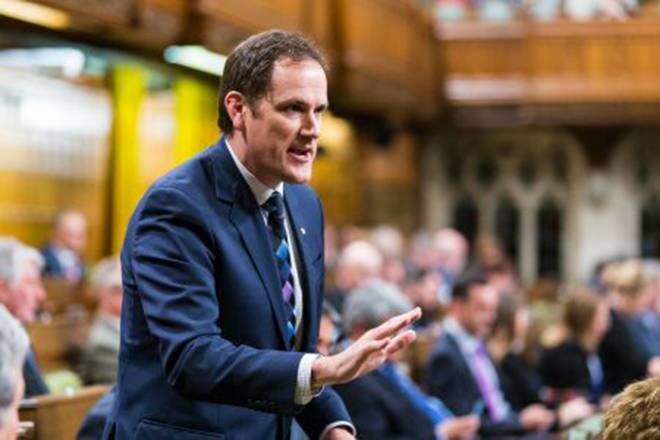
“Is it fair for Canadian taxpayers to fund a health benefit program that is far more generous than what Canadians receive at a time when many Canadians wait in line for even basic healthcare services?” asked Dan Albas, Conservative MP for Okanagan Lake West-South Kelowna, who has raised concerns about the program’s expanding scope and costs.
The situation highlights a complex policy challenge for the federal government. On one hand, Canada maintains international obligations to provide adequate care for those seeking protection. On the other, the growing disparity between services available to asylum seekers versus citizens has become increasingly difficult to justify politically.
Healthcare policy experts note that the extended processing times for refugee claims significantly impact program costs. When claims remain in limbo for years rather than months, the cumulative expense of providing comprehensive healthcare multiplies accordingly. This suggests that addressing the backlog itself might be as important as reviewing benefit levels.
Immigration policy has become a lightning rod for misinformation from various sources. Social media frequently circulates exaggerated or false claims about benefits provided to newcomers. However, the data regarding the interim health program presents verifiable concerns about sustainability and equity that transcend partisan divides.
The federal government faces difficult choices ahead. Options include scaling back benefits to align more closely with provincial health plans, increasing healthcare coverage for all Canadians to achieve parity, or significantly accelerating refugee claim processing to reduce the overall financial burden.
As this debate continues, policymakers must balance Canada’s humanitarian traditions with fiscal responsibility and fairness to taxpayers. Finding this balance will require transparent communication about program costs and benefits, rather than the misinformation that often characterizes immigration discussions.
The coming years will likely see continued scrutiny of this program as part of broader conversations about healthcare access, immigration policy, and government spending priorities across Canada.
Fact Checker
Verify the accuracy of this article using The Disinformation Commission analysis and real-time sources.

6 Comments
While the interim health program for refugee claimants aims to ensure access to necessary services, the skyrocketing costs are indeed a concern. Balancing compassionate policies with fiscal responsibility will be an ongoing challenge for policymakers.
You make a good point. This issue highlights the need for a comprehensive review of the refugee healthcare system to find a sustainable solution.
Providing more comprehensive coverage for refugee claimants than many Canadian citizens receive is a thought-provoking policy decision. I wonder if there are opportunities to harmonize the benefits across the board to ensure equitable access to healthcare.
It’s fascinating to see how the growing refugee backlog in Canada is impacting healthcare costs. Providing comprehensive coverage for asylum seekers waiting for their claims to be processed is a complex issue with significant financial implications.
This report raises important questions about the long-term viability of the current refugee healthcare program. Projections of costs reaching $1.5 billion by 2030 are quite concerning and will likely require significant policy changes.
The tenfold increase in pending applications over the past decade is a staggering statistic. It will be interesting to see how the government addresses this growing backlog and the associated financial pressures on the healthcare system.