


Listen to the article
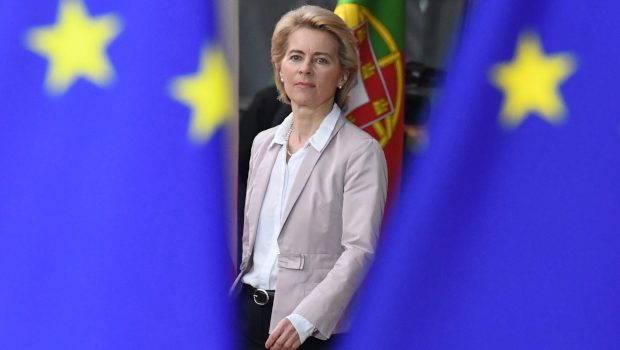
The European Union has launched a new initiative to combat disinformation, but experts question whether its approach will effectively address the deeper cultural and political challenges at play. The European Centre for Democratic Resilience, recently announced by European Commission President Ursula von der Leyen, aims to strengthen the EU’s capacity to counter foreign information manipulation.
“This will strengthen our resilience, ensure Europe’s public debate remains open and fair, and empower citizens to participate in democratic life,” von der Leyen said in a statement that outlined the Centre’s mission.
The establishment of this new body comes amid growing concerns about the proliferation of misinformation on social media platforms, the malicious use of artificial intelligence to create “alternative facts,” and the broader recognition that information technology is not ethically neutral in its application.
However, critics point to fundamental issues with the EU’s approach, beginning with its communication style. The announcement of the Centre was laden with bureaucratic jargon and gaming terminology like “level up” that undermines the very precision and accuracy needed to combat misinformation effectively.
The Centre’s actual operational plan remains somewhat vague. The EU has previously produced anti-disinformation advertisements, but these have often failed to engage the public meaningfully. Critics argue that few citizens are likely to visit state-sponsored websites designed to counter propaganda, regardless of their concern about online misinformation.
Michael McGrath, Commissioner for Democracy, Justice, the Rule of Law and Consumer Protection, described the initiative in decidedly bureaucratic terms: “The European Centre for Democratic Resilience transforms these individual strengths into collective resilience. It helps us connect the dots, uniting governments and societies alike to safeguard our democracies.”
While technology plays a crucial role in both spreading and potentially countering misinformation, experts emphasize that technical solutions alone cannot address what is fundamentally a human problem. Even approaches centered on media literacy fail to address the core issue: many people prefer misinformation not because they are deceived, but because it confirms their existing beliefs or what they want to believe.
This presents a challenge that goes beyond the technical capabilities of any EU institution. The Centre can detect manipulation, label it, remove it from platforms, and impose fines, but it cannot make people want to know what’s true. This represents a deeper political and cultural challenge that requires more nuanced approaches.
The timing of this initiative is particularly significant given the upcoming European elections and growing concerns about foreign interference in democratic processes. Disinformation campaigns have increasingly been used as tools by hostile states to undermine democratic institutions and public trust in governance systems across Europe.
Industry experts note that while none of these challenges are entirely new, information technology has dramatically deepened their impact and increased the capacity for producing and spreading misleading content. Social media platforms, with their algorithmic amplification of emotionally engaging content, have created ecosystems where false information can spread faster than fact-checking efforts can counter it.
For the Centre to succeed, observers suggest it must communicate in clear, precise language that treats the public’s intelligence with respect. McGrath himself demonstrated this capability in an opinion piece for the Irish Examiner, using relatable anecdotes and clear explanations of why the work matters.
As digital distribution networks continue to evolve, efforts to promote democratic resilience must likewise adapt. However, these efforts will only succeed if they employ language and approaches accessible enough to be understood and embraced by the citizens they aim to protect.
Fact Checker
Verify the accuracy of this article using The Disinformation Commission analysis and real-time sources.

10 Comments
This is a complex issue without easy solutions. I’m curious to see the specifics of how the EU plans to strengthen resilience and empower citizens, while respecting democratic principles.
That’s a good point. The devil will be in the details when it comes to balancing those sometimes competing priorities.
Combating disinformation is crucial, but the EU will need to be vigilant about not undermining the very democratic values they’re trying to protect. Careful implementation will be essential.
The proliferation of misinformation is a growing concern, especially with AI-generated ‘alternative facts’. I hope the EU’s new initiative can help strengthen resilience without stifling legitimate discourse.
Agreed. The challenge will be developing effective countermeasures without overreach. Balancing those priorities will be crucial for the initiative’s long-term success.
While the EU’s intent to address disinformation is admirable, the communication style highlighted is a bit concerning. Clear, transparent, and inclusive approaches will be key to building public trust in this effort.
Interesting to see the EU taking a more proactive approach to combating disinformation. Curious to see how they balance addressing the challenges while respecting free speech and democratic principles.
You raise a good point. Tackling disinformation is tricky, as the solutions themselves can risk undermining core democratic values if not carefully implemented.
The rise of AI-generated ‘alternative facts’ is a worrying trend. I hope the EU’s new initiative can find effective ways to address this challenge without stifling legitimate discourse.
Agreed. Navigating that balance will be crucial to the long-term success and credibility of the EU’s efforts.