


Listen to the article
Egyptian Information Minister Calls for Arab Media Ethics Code to Combat Misinformation
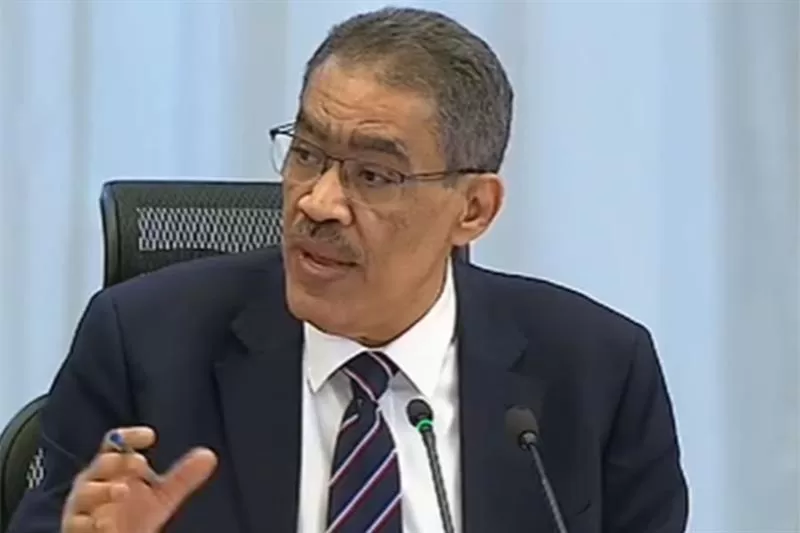
Egyptian Minister of State for Information Diaa Rashwan has proposed the creation of a unified Arab media code of ethics aimed at countering the proliferation of rumors and malicious campaigns that damage inter-Arab relations.
Speaking during a Wednesday cabinet meeting, Rashwan emphasized the urgent need for concrete action to address what he characterized as “chaos of misinformation” currently spreading across unregulated social media platforms and media outlets. According to the minister, these campaigns specifically target and undermine relationships between Egypt and other Arab nations.
The proposal comes amid growing concerns across the Middle East about the impact of unregulated digital media on regional stability. Many Arab governments have struggled to balance freedom of expression with what they consider harmful misinformation that can inflame tensions in an already volatile region.
Rashwan outlined plans to submit an urgent request to the Council of Arab Information Ministers for an emergency meeting. The gathering would focus on two key proposals that could reshape how Arab nations coordinate their media responses to regional challenges.
The first proposal calls for developing a unified strategic plan and joint Arab media response mechanism for crises affecting any member state. This would create a coordinated approach to information sharing during regional emergencies, natural disasters, or political tensions, rather than the current fragmented response system.
The second and more ambitious proposal involves adopting an “Arab Media Code of Ethics” that would require all Arab states to actively prevent and criminalize content that targets or smears other Arab nations. Rashwan emphasized that strict enforcement mechanisms would be necessary across the region for the code to be effective.
Egypt, which hosts the headquarters of the Arab League, has historically played a central role in shaping pan-Arab media policy. The country is home to influential media organizations including the Middle East News Agency and major satellite networks that broadcast throughout the Arabic-speaking world.
Media experts note that the proposal reflects growing frustration among Arab governments with their inability to control narratives in the digital age. Social media platforms have dramatically altered how information spreads across borders, often bypassing traditional state controls and editorial oversight.
“What we’re seeing is an attempt to create regional governance mechanisms for media at a time when national controls are increasingly ineffective,” said Dr. Mohammed Hassan, a media policy researcher at Cairo University, who was not involved in the proposal. “The challenge will be implementing any such code while respecting legitimate journalistic freedoms.”
Critics of the proposal may view it as an attempt to further restrict press freedoms in a region already ranked low on global media freedom indices. However, supporters argue that some regulation is necessary to prevent deliberate misinformation campaigns that can damage diplomatic relations and regional stability.
The timing of Rashwan’s announcement coincides with several recent diplomatic tensions between various Arab states that have played out in both traditional and social media, though the minister did not reference specific incidents.
If adopted, the code would represent one of the most significant pan-Arab media policy initiatives in recent years. Previous attempts at creating unified media standards across the region have faced challenges in implementation and enforcement.
The Council of Arab Information Ministers, which falls under the Arab League umbrella, has not yet responded publicly to Rashwan’s call for an emergency meeting, but the body typically meets several times annually to discuss media-related issues affecting member states.
Fact Checker
Verify the accuracy of this article using The Disinformation Commission analysis and real-time sources.

7 Comments
Combating misinformation is critical, but the devil will be in the details here. Any regional media code needs to be developed transparently and with input from diverse stakeholders, not just imposed top-down by governments. Maintaining a free press while limiting harm is a delicate balance.
Interesting proposal from Egypt to combat misinformation in Arab media. Establishing a regional media ethics code could help address the spread of harmful rumors and inflammatory content online. But it will be important to balance press freedom with responsible reporting standards.
You raise a good point. Any guidelines should be developed collaboratively with input from media stakeholders to ensure they are fair and effective, not just top-down government mandates.
This is a timely issue as digital media continues to transform information flows in the Middle East. Malicious misinformation campaigns can certainly undermine regional stability, so I’m curious to see the specific proposals from the Arab Information Ministers meeting.
Agreed, the details will be crucial. Balancing media freedom with responsibility is a delicate challenge, but necessary to maintain public trust and social cohesion.
This is a complex issue without easy solutions. Establishing media ethics guidelines could be a positive step, but great care must be taken to avoid overreach that infringes on press freedoms. Curious to see the specific proposals and how they are received across the region.
While I’m generally skeptical of heavy-handed media regulation, the spread of misinformation is a real problem that can have serious consequences. Hoping the Arab nations can find a collaborative approach that upholds journalistic principles while curbing the most harmful content.