


Listen to the article
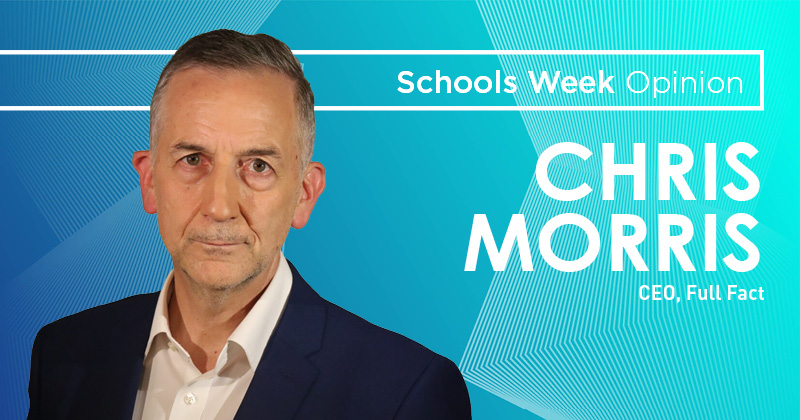
In an increasingly complex digital landscape, teachers face a growing challenge as arbiters of reliable knowledge, often finding themselves caught between evidence-based curriculum and the tidal wave of misinformation their students encounter online. Education professionals must now navigate a world where objective reality is frequently questioned and shared understanding of truth is eroding, according to fact checker Chris Morris.
The digital age has transformed classrooms into potential battlegrounds of competing narratives. Students and teachers alike arrive each day having been exposed to countless unverified claims from social media, influencers, and online communities where opinion is frequently presented as fact.
This dynamic creates significant difficulties for educators trying to teach established scientific, historical, or civic knowledge. When curriculum content contradicts narratives students have absorbed at home or online, teachers may face accusations of bias or indoctrination simply for presenting widely accepted facts or scientific consensus.
The relentless pace of information circulation compounds these pressures. With little time for careful verification amid already demanding workloads, educators themselves can become vulnerable to misinformation. Heavy teaching responsibilities often leave limited opportunities for engaging with emerging research or media literacy training.
“This creates a real risk that misinformation can seep into lessons, assemblies or classroom discussions without being recognized as what it is,” Morris explains. Even well-intentioned teachers may inadvertently rely on oversimplified sources, outdated materials, or unreliable content shared through personal or professional networks.
The problem extends beyond the classroom. Research by the Commission into Countering Online Conspiracy Theories in Schools, supported by the Pears Foundation, found that 40 percent of pupils had encountered relatives believing conspiracy theories. Moreover, 27 percent reported relationships with older family members becoming strained due to such beliefs.
This societal challenge doesn’t stop at school gates. When professional judgment is constantly scrutinized by parents, administrators, inspectors, and the public, teachers may be tempted to present clear-cut answers rather than engage with the nuance and complexity many topics require.
Without proper support and quality professional development, educators may unconsciously perpetuate misleading claims, particularly in rapidly evolving fields like health sciences, technology, or climate change. This poses risks not only to educational standards but to the fundamental civic role of schools in society.
“If teachers themselves lose confidence in the idea of shared facts, it becomes far harder to build the critical thinking and respect for evidence that pupils need,” Morris notes. The recently announced curriculum and assessment review offers some hope, with commitments to strengthen media literacy through citizenship and English education.
These efforts must be integrated into everyday classroom practice rather than treated as isolated initiatives. The review provides a foundation for students to learn how evidence is constructed, tested, and debated—essential skills in today’s information environment.
Education systems must provide consistent, high-quality support for all staff members to confidently address conspiracy beliefs wherever they arise. Schools need to create cultures of trust, openness, and learning that recognize everyone’s human vulnerability to misinformation.
“Like pupils, teachers need support rather than sanction to navigate these complex issues effectively,” Morris concludes. The challenge of defending evidence-based debate requires institutional commitment and resources, not just individual vigilance.
This discussion is part of a broader series exploring the ongoing work of the Pears Foundation’s Commission into Countering Online Conspiracies in Schools, highlighting the evolving challenges educators face in maintaining fact-based education in a world where truth itself often seems up for debate.
Fact Checker
Verify the accuracy of this article using The Disinformation Commission analysis and real-time sources.

12 Comments
The digital age has undoubtedly created new challenges for educators. Helping students navigate the abundance of unverified claims online and maintain a grasp on objective reality is a formidable task. More support is clearly needed to empower teachers in this vital role.
The erosion of shared truth is a major concern. Teachers play a vital role in maintaining evidence-based curriculum and helping students navigate the complex digital landscape. Providing them with training and tools to address misinformation will be key.
Absolutely. Students need to be taught how to identify credible sources and fact-check claims they encounter online. This is a crucial life skill in the digital age.
The erosion of shared understanding of truth is a concerning trend. Teachers play a crucial role in maintaining evidence-based curriculum and fostering critical thinking. Supporting them in this endeavor should be a top priority.
This is a concerning trend that requires urgent attention. Ensuring our education system can effectively teach critical thinking and evidence-based knowledge is crucial for the future of our society. Teachers need more training and resources to meet this challenge.
This article highlights an important problem facing our education system. With the proliferation of misinformation, teachers are under increased pressure to defend established facts and scientific consensus. Providing them with the right resources is crucial.
This is a crucial issue facing educators today. With the spread of misinformation online, teachers are having to work harder than ever to instill critical thinking and verify facts with their students. They need more support and resources to combat these challenges effectively.
Interesting article. The challenge of combating misinformation in the classroom is multifaceted. Teachers need support not just from administrators, but also from parents and the broader community to reinforce the importance of media literacy.
Well said. Misinformation thrives when there is a lack of shared understanding about facts and reliable information sources. Collaborative efforts across all stakeholders will be vital.
This is a timely and important topic. Equipping teachers with the tools and training to navigate the complex landscape of online misinformation is essential. Their role as gatekeepers of knowledge must be strengthened to ensure students are equipped with critical thinking skills.
While this is a complex issue, it’s heartening to see attention being drawn to it. Equipping teachers with the tools and strategies to combat misinformation in the classroom is an important step forward. Their role as guardians of truth must be strengthened.
Interesting perspective on the challenges educators face in the digital age. Combating misinformation requires a multi-pronged approach, with teachers, administrators, and the broader community all playing a role. Empowering teachers will be key to addressing this issue effectively.