


Listen to the article
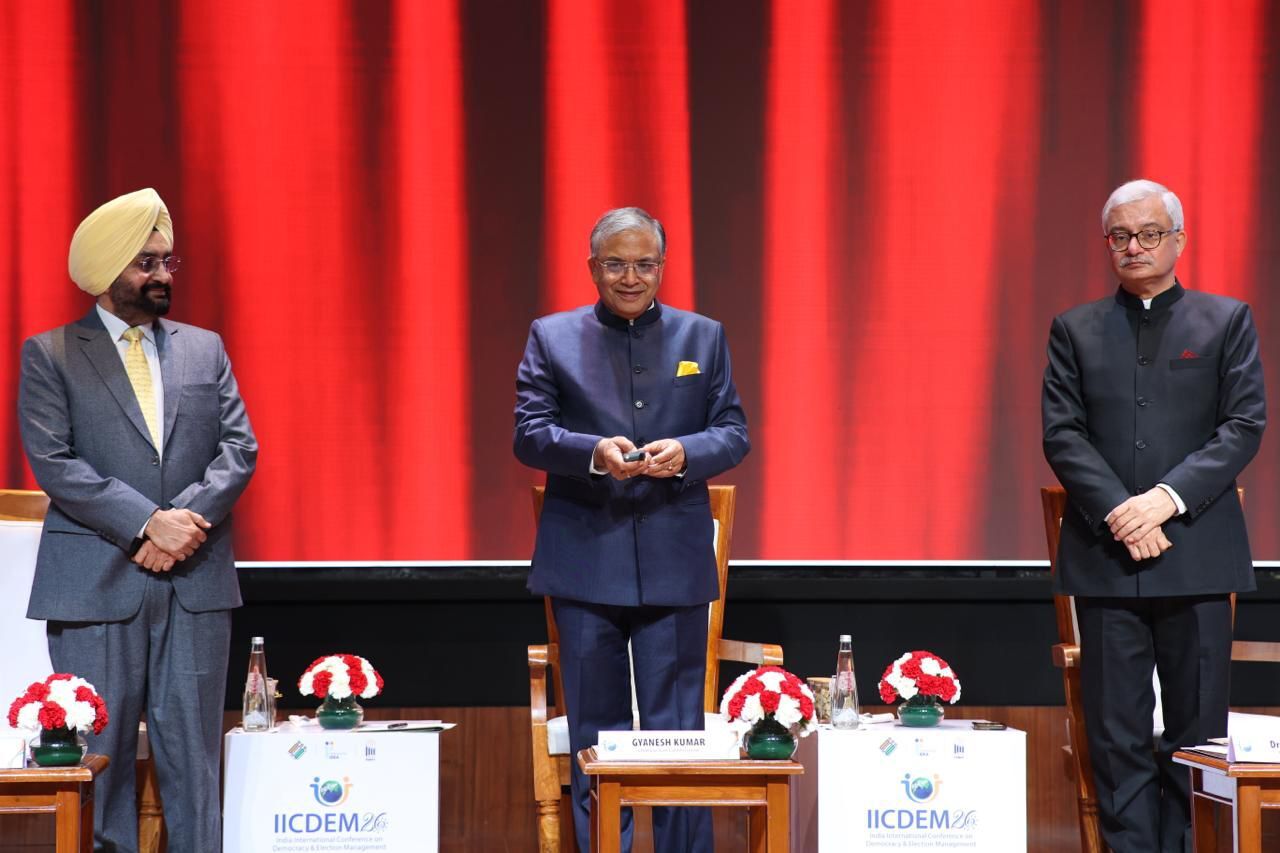
In a significant move to streamline electoral processes, Chief Election Commissioner Gyanesh Kumar launched a comprehensive digital interface on Thursday designed to serve voters, officials, and political parties across India. The platform, dubbed ECINET, aims to create a unified digital ecosystem for election-related activities while also serving as a powerful tool to combat misinformation.
During the launch event in New Delhi, Kumar emphasized the platform’s potential to address growing concerns about electoral misinformation. “All poll-related facts are available on ECINET, making it an effective resource to counter false information,” Kumar stated at the international conference attended by various election management bodies.
In a gesture of digital diplomacy, Kumar extended an offer to help other countries develop similar platforms tailored to their specific languages and legal frameworks. This proposal came after numerous heads of international electoral bodies expressed shared concerns about the global challenge of misinformation during elections.
ECINET represents a major technological consolidation for India’s Election Commission, integrating more than 40 existing mobile and web applications into a single platform. This integration eliminates the need for users to download multiple applications or remember various login credentials, significantly improving user experience and accessibility.
The new system will provide comprehensive access to electoral data through both desktop computers and smartphones, creating a seamless experience across devices. Users will be able to handle all election-related activities through this unified interface, from voter registration to complaint filing.
To ensure data integrity, the Election Commission has implemented strict protocols. Information on ECINET will be entered exclusively by authorized EC officials, a measure designed to maintain the highest possible standards of accuracy. The Commission has clarified that in cases of any data conflicts, the information recorded in statutory forms will be considered the final authority.
The platform incorporates several popular electoral applications that have already gained significant traction among Indian voters. Apps like the Voter Helpline, Voter Turnout App, cVIGIL, Suvidha, Saksham, and KYC App—which collectively have been downloaded over 55 million times—will now be accessible through ECINET’s unified interface.
This digital transformation comes at a critical time for India’s electoral system, which manages the world’s largest democratic exercise. With over 900 million eligible voters, the logistical challenges of conducting elections in India are immense. ECINET’s rollout represents a strategic response to these challenges, leveraging technology to enhance efficiency and transparency.
Election technology experts view this development as part of a broader global trend toward digital electoral management systems. Similar initiatives have been implemented in countries like Estonia and South Korea, though India’s system will operate at an unprecedented scale.
Cybersecurity specialists note that while such platforms offer significant benefits, they also create new security considerations. The Election Commission has not publicly detailed the specific security measures implemented to protect ECINET, though robust safeguards would be essential for such a critical democratic infrastructure.
The platform’s launch aligns with India’s broader digital governance initiatives, including the Digital India campaign, which aims to transform the country into a digitally empowered society. ECINET represents one of the most significant applications of this philosophy to democratic processes.
As election seasons approach, the effectiveness of ECINET in improving electoral participation, reducing administrative burdens, and combating misinformation will be closely watched by electoral authorities worldwide.
Fact Checker
Verify the accuracy of this article using The Disinformation Commission analysis and real-time sources.

7 Comments
Glad to see the EC taking proactive steps to combat misinformation in elections. A centralized digital platform could be a valuable tool for voters to access reliable information. However, the real test will be whether it can effectively counter the spread of false narratives in the digital age.
While I welcome efforts to combat misinformation, I have some reservations. Will ECINET be truly impartial, or could it become a tool for the ruling party to shape the narrative? Robust safeguards and independent oversight will be essential to maintain public trust.
Those are valid concerns. Ensuring the platform’s independence and non-partisanship should be a top priority.
The offer to help other countries develop similar platforms is a smart move. Electoral integrity is a shared concern, and cross-border collaboration could lead to more effective solutions. I hope ECINET sets a high standard for user-friendliness and comprehensive, unbiased information.
Interesting development. Combating electoral misinformation is a global challenge. I wonder how ECINET will integrate with existing fact-checking initiatives and whether it will be open to independent oversight. Transparency will be key to building public trust in the platform.
That’s a good point. Engaging with civil society and media fact-checkers will be crucial for the platform’s credibility.
The consolidation of 40+ existing election-related mobile apps into a single digital ecosystem sounds promising. A one-stop shop for election information could greatly improve accessibility and transparency. I’m curious to see how ECINET will evolve and adapt to emerging challenges.