


Listen to the article
Medical Societies Unite Against Misinformation in Lung Cancer Screening
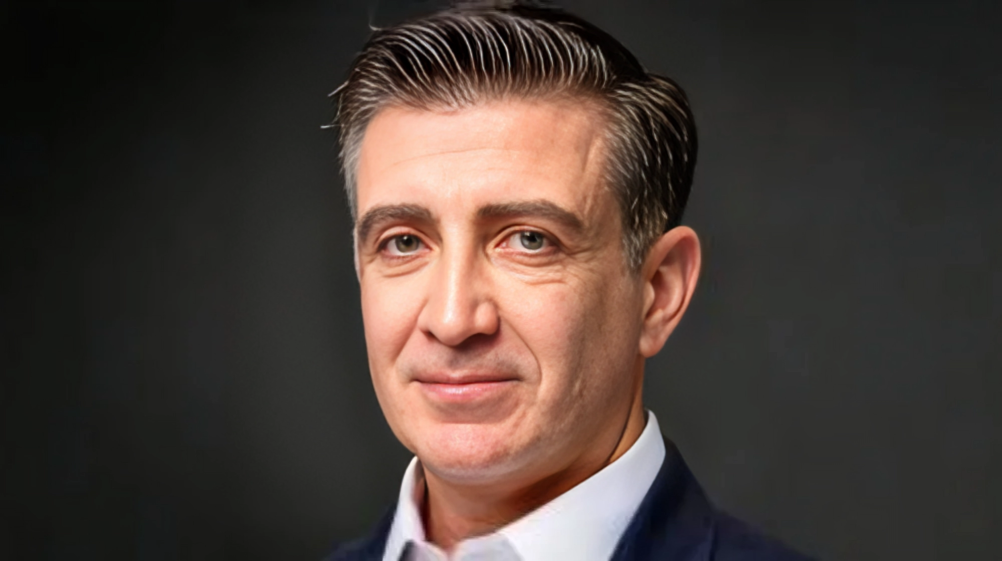
Three major medical societies have taken unprecedented joint action to combat what they describe as decades of misinformation surrounding lung cancer screening, according to a statement from Dr. Drew Moghanaki, Professor and Chief of Thoracic Oncology at UCLA’s Department of Radiation Oncology.
The Society of Thoracic Surgeons, the American College of Radiology, and the American Society for Radiation Oncology have endorsed a simultaneous publication criticizing what they consider flawed research about lung cancer screening risks. The joint statement represents a significant moment in the ongoing debate about early detection methods for one of America’s deadliest cancers.
“Every now and then, history calls us to stand up for justice and protect patients from relentless systemic misinformation campaigns that are literally killing them,” wrote Moghanaki, who also serves as Chief Medical Officer of Respirati and holds the Stanley Iezman and Nancy Stark Endowed Chair in Thoracic Radiation Oncology Research at UCLA’s David Geffen School of Medicine.
The controversy stems from what Moghanaki describes as tobacco industry-funded efforts dating back to the 1980s that introduced concepts like “overdiagnosis” and “harms of screening” into medical literature. According to Moghanaki, these campaigns successfully delayed the implementation of annual low-dose chest CT screening for decades by creating doubt about early detection benefits.
This skepticism persists despite multiple publications in the New England Journal of Medicine confirming that early detection reduces lung cancer mortality more effectively than any FDA-approved drug or device. The National Lung Screening Trial (2011, 2019) and the NELSON trial (2020) have provided substantial evidence supporting screening benefits.
The joint statement emerged after the Annals of Internal Medicine allegedly refused to publish an editorial criticizing a paper in their journal that the societies deemed methodologically flawed. According to Moghanaki, this paper generated “national attention that further perpetuated concerns about the ‘harms of screening'” despite design issues that “made lung screening appear harmful.”
Titled “Misinformation and Overestimation of Computed Tomography Lung Cancer Screening Harms—Methodology Matters,” the joint statement represents an unusual alliance of medical specialties that typically publish independently. The collaboration underscores the perceived severity of the misinformation problem.
Lung cancer remains the leading cause of cancer death in the United States, killing more people than breast, prostate, and colorectal cancers combined. Early detection through screening has been shown to significantly improve survival rates, but adoption has lagged compared to screening programs for other common cancers.
The low utilization of lung cancer screening persists despite the U.S. Preventive Services Task Force’s recommendation for annual screening for high-risk individuals. According to recent studies, fewer than 15% of eligible patients currently receive recommended screening.
The joint statement authors argue that accurate representation of screening benefits and risks is essential for informed decision-making by both patients and healthcare providers. They suggest that inflated concerns about false positives, radiation exposure, and overdiagnosis have created unnecessary barriers to a potentially life-saving intervention.
This coordinated response marks a significant moment in oncology, with multiple specialty societies uniting to challenge what they view as a dangerous narrative. The societies are calling for higher standards in reporting the safety and efficacy of lung screening programs.
As lung cancer screening technology continues to improve and artificial intelligence integration enhances detection accuracy, medical societies hope that correcting misinformation will lead to increased screening rates and ultimately save more lives through early detection and treatment.
Fact Checker
Verify the accuracy of this article using The Disinformation Commission analysis and real-time sources.

14 Comments
As someone who has lost a loved one to lung cancer, I’m heartened to see these medical societies taking action to combat misinformation. Early detection is so important, but only if people have access to truthful, science-based information.
I’m very sorry for your loss. It’s understandable to have strong feelings about this issue. I hope this coordinated effort by medical experts can help ensure more people have the opportunity for early intervention and better outcomes.
It’s encouraging to see leading medical organizations taking a strong stance against misinformation on this important issue. Lung cancer screening is a complex topic, and patients deserve to have access to reliable, unbiased data to make informed decisions.
Absolutely. With so much conflicting information out there, it’s vital that authoritative medical voices provide clear, science-based guidance. Kudos to these societies for speaking up.
Lung cancer is a leading cause of cancer deaths, so it’s critical that screening programs are based on sound science, not flawed research. This coordinated effort by medical societies sends a strong message about the importance of evidence-based medicine.
Agreed. Misinformation can have deadly consequences when it comes to public health. I’m glad to see these organizations taking a stand to ensure patients get the facts they need.
As a patient, I really appreciate the medical community’s efforts to combat misinformation about lung cancer screening. It’s empowering to know that authoritative voices are stepping up to defend the scientific integrity of early detection methods.
Absolutely. Patients deserve access to reliable, unbiased information to make informed decisions about their health. This joint statement is an important step in the right direction.
Kudos to these medical societies for taking a strong stance against flawed research and misinformation on lung cancer screening. Their unified voice sends a clear message about the importance of evidence-based practice in healthcare.
I agree. It’s crucial that the medical community presents a united front when it comes to public health issues like this. Patients need to be able to trust that the information they’re receiving is accurate and reliable.
Addressing misinformation around lung cancer screening is critical. As a medical professional, I appreciate the joint effort by these societies to combat flawed research and protect patient health. Lung cancer is a devastating disease, and early detection is key to saving lives.
I agree, the medical community needs to be united in providing accurate, evidence-based information to the public. Misinformation can have real consequences when it comes to public health.
As someone with a family history of lung cancer, I’m glad to see these efforts to counter misinformation. Early detection can make a huge difference, but only if people have access to accurate information about the risks and benefits of screening.
I’m sorry to hear about your family’s experience with lung cancer. It’s understandable to have concerns, but I hope this joint statement from medical experts can provide some reassurance and clarity on this important issue.