


Listen to the article
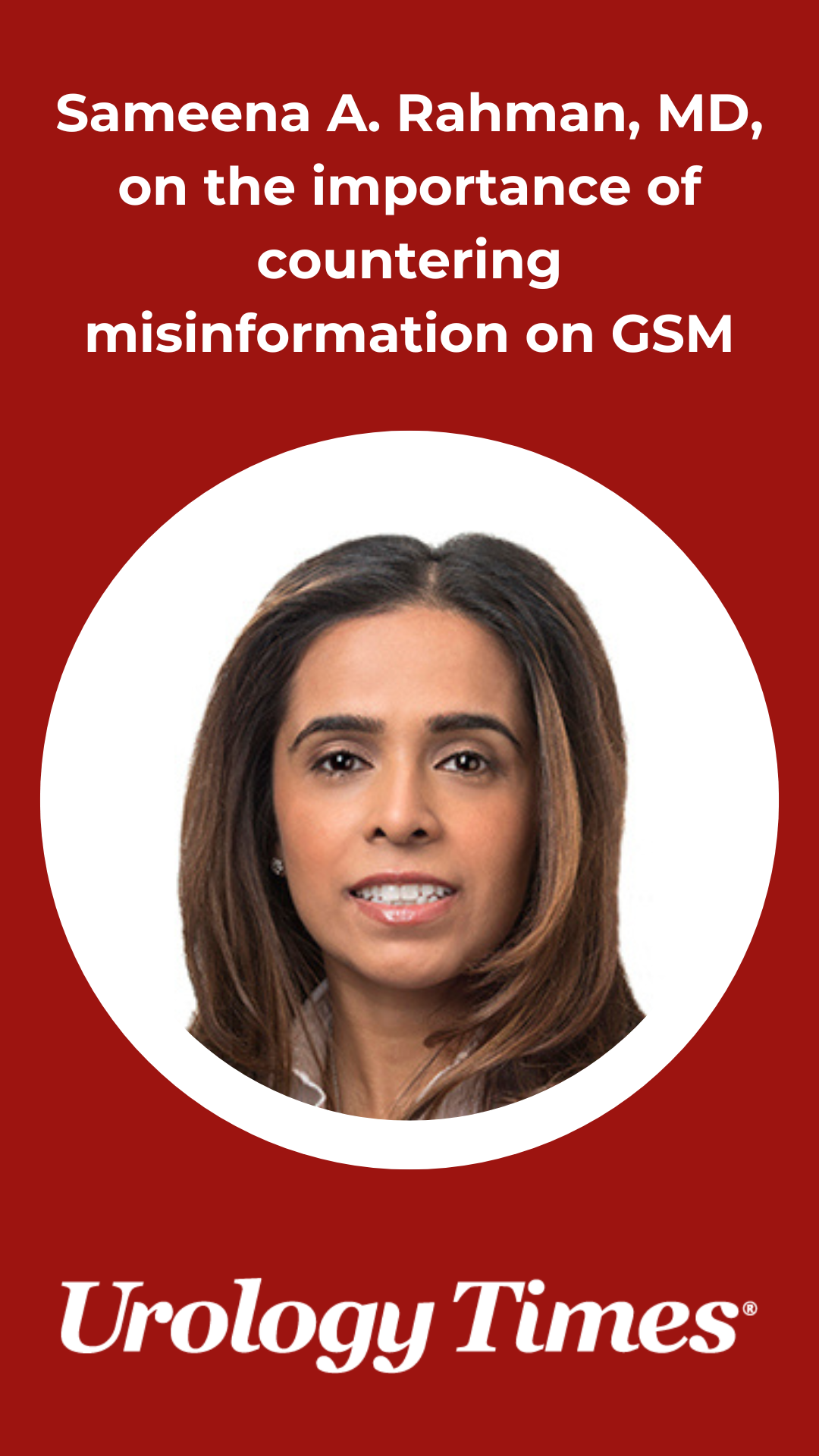
In a healthcare landscape increasingly affected by digital misinformation, medical professionals are emphasizing the critical importance of evidence-based communication regarding gender-affirming care. Dr. Sameena A. Rahman, a prominent physician specializing in urological care, has emerged as a vocal advocate for countering misconceptions surrounding gender and sexual minority (GSM) health services.
During a recent interview, Dr. Rahman highlighted the growing challenge that healthcare providers face when navigating conversations about transgender and gender-diverse patient care. “The spread of misinformation about gender-affirming treatments has real consequences for patient outcomes,” Dr. Rahman explained. “When patients or families are exposed to false claims about medical protocols, it can delay necessary care and exacerbate existing health disparities.”
The physician’s comments come amid increasing political and social debates surrounding gender-affirming care across numerous states. Recent legislative sessions have seen an unprecedented number of bills targeting access to healthcare for transgender youth, with several states enacting restrictions that contradict major medical association guidelines.
Dr. Rahman emphasized that the medical community must take a proactive stance in educating both colleagues and the public. “As healthcare providers, we have a responsibility to understand the well-established research that supports gender-affirming care as life-saving treatment,” she noted. “The medical consensus from organizations like the American Medical Association, the American Academy of Pediatrics, and the American Urological Association all support individualized, evidence-based approaches to transgender healthcare.”
The impact of misinformation extends beyond direct patient care, affecting institutional policies and even insurance coverage determinations. Healthcare systems increasingly find themselves navigating complex ethical and legal landscapes when developing protocols for gender-affirming services.
According to recent studies published in JAMA Pediatrics and The New England Journal of Medicine, gender-affirming care is associated with improved mental health outcomes and reduced suicidality among transgender individuals. These findings stand in stark contrast to claims often circulated on social media platforms and certain news outlets.
“What’s particularly concerning is how quickly medical misinformation spreads compared to evidence-based corrections,” Dr. Rahman said. “A misleading headline can reach millions before the medical community has time to respond with accurate information.”
Healthcare providers working in urology and related specialties face particular challenges, as their fields often intersect directly with gender-affirming surgical procedures and hormone management. This places urologists and allied professionals in a unique position to address misconceptions and provide accurate information.
Dr. Rahman also addressed the importance of inclusive language in medical settings. “Using appropriate terminology and respecting patients’ identities is not just about being politically correct—it’s about providing medically accurate care. When we fail to use inclusive language, we create barriers to effective treatment.”
Medical institutions across the country are responding by developing comprehensive education programs for staff and creating dedicated teams to provide specialized care for transgender and gender-diverse patients. Major academic medical centers have established multidisciplinary gender health programs that bring together urologists, endocrinologists, mental health professionals, and primary care providers.
The economic impact of misinformation extends to healthcare systems themselves. When patients delay seeking care due to fear or confusion fueled by misinformation, they often present with more advanced conditions requiring more intensive—and expensive—interventions.
“Ultimately, this is about ensuring that all patients receive evidence-based, compassionate care,” Dr. Rahman concluded. “By actively countering misinformation about gender and sexual minority health, we’re not engaging in politics—we’re practicing good medicine.”
As the medical community continues to navigate these challenges, organizations like the American Urological Association have published position statements and clinical guidelines to assist providers in delivering evidence-based care while addressing common misconceptions. These efforts represent an important step toward ensuring that medical decisions remain grounded in science rather than influenced by misinformation.
Fact Checker
Verify the accuracy of this article using The Disinformation Commission analysis and real-time sources.

18 Comments
Providing accurate, compassionate information about gender-affirming care is critical, as Dr. Rahman has highlighted. Healthcare providers have an ethical responsibility to counter misinformation in this space.
Agreed. Protecting access to essential, evidence-based care for transgender and gender-diverse patients should be a top priority for the medical community.
It’s disheartening to see political debates interfering with access to essential, evidence-based healthcare services. Dr. Rahman’s advocacy for transgender patients is commendable.
Dr. Rahman’s comments highlight how misinformation can directly impact patient outcomes. It’s critical that healthcare providers continue to counter false claims with evidence-based guidance.
As a medical professional, I appreciate Dr. Rahman’s commitment to providing accurate, compassionate information about gender-affirming care. Dispelling myths in this space is crucial work.
Agreed. Upholding ethical, evidence-based standards of care for transgender and gender-diverse patients should be a top priority for the healthcare community.
Transgender and gender-diverse individuals face significant health disparities, so it’s crucial that they have access to appropriate, affirming medical care. Dr. Rahman is right to emphasize the dangers of misinformation in this space.
Agreed. Spreading factual information from trusted healthcare providers is key to supporting the transgender community and protecting vulnerable patients.
Dr. Rahman is right to emphasize the importance of evidence-based communication around transgender healthcare. Misinformation can be incredibly harmful, so I’m glad to see medical experts speaking up.
As a healthcare professional, I agree with Dr. Rahman about the need to prioritize factual information and ethical standards when it comes to gender-affirming care. Misinformation can have serious consequences.
Absolutely. Upholding evidence-based practices and protecting vulnerable patients should be the top priorities, not political agendas.
Navigating conversations around gender identity and healthcare can be challenging, but Dr. Rahman is right that providers must be proactive in countering harmful misinformation. This is an important issue.
Absolutely. Providing factual, compassionate education is crucial to supporting the transgender community and dismantling misconceptions about gender-affirming treatments.
The spread of misinformation about transgender healthcare is deeply concerning. I’m glad to see doctors like Dr. Rahman speaking up to protect vulnerable patients and ensure access to necessary care.
The political debates around gender-affirming care for youth are deeply concerning. Medical professionals like Dr. Rahman need to keep speaking up to ensure these vital treatments remain accessible.
Exactly. Restricting access to gender-affirming care can have devastating mental and physical health consequences for transgender youth. Protecting this care should be a priority.
It’s encouraging to see medical professionals like Dr. Rahman speaking out against the misinformation surrounding gender-affirming care. Providing accurate, evidence-based information on these critical healthcare services is so important.
Absolutely. Combating harmful misconceptions can make a real difference in improving access and outcomes for transgender and gender-diverse patients.