


Listen to the article
Beyond Borders: Diaspora Youth Preserve Genocide Memory and Challenge Misinformation
Rwandan diaspora youth are taking increasingly active roles in preserving the memory of the 1994 Genocide against the Tutsi, while simultaneously working to counter growing misinformation campaigns that attempt to deny or distort this historical tragedy.
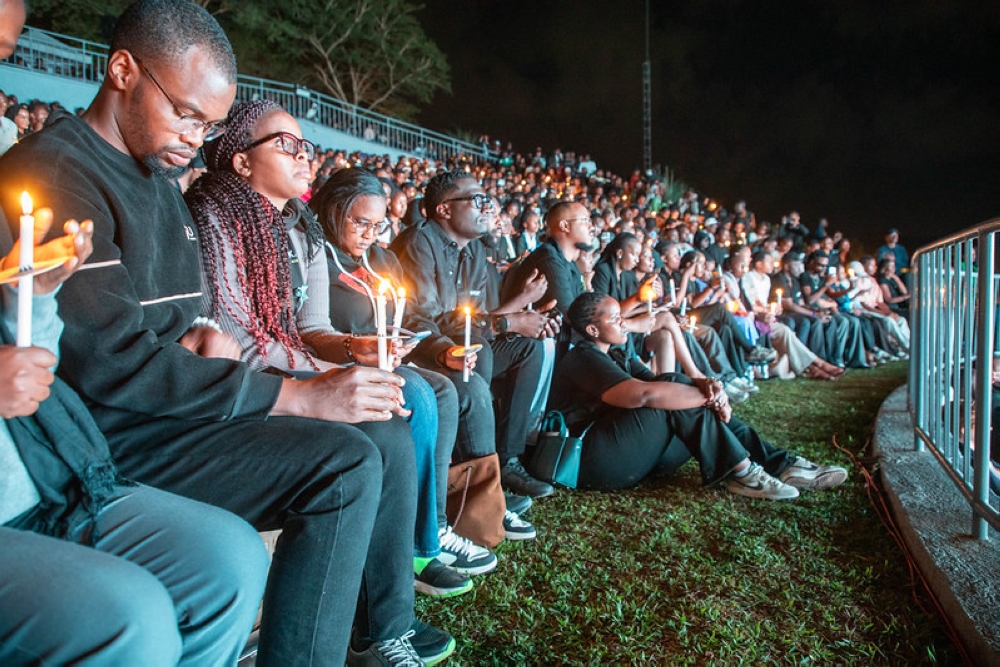
As Rwanda marks the 30th commemoration of the genocide this year, young Rwandans living abroad have emerged as powerful voices in educating their communities and the wider world about the events that claimed over one million lives in just 100 days.
“We cannot remain silent while genocide deniers spread falsehoods,” said Jean-Claude Niyonzima, a 28-year-old Rwandan living in Brussels. “Our parents’ generation survived unimaginable horror, and it’s now our responsibility to ensure this history is never forgotten or misrepresented.”
Across Europe, North America, and Australia, diaspora youth are organizing commemoration events, educational workshops, and social media campaigns designed to counter revisionist narratives. These efforts have taken on added urgency as genocide denial continues to spread online, with organized groups attempting to rewrite history through misleading content and conspiracy theories.
Experts note that genocide denial follows predictable patterns: first minimizing the number of victims, then questioning the identity of perpetrators, and ultimately attempting to reframe the genocide as a “civil war” or “tribal conflict” rather than the systematic extermination campaign it was documented to be.
“What we’re seeing is a sophisticated disinformation ecosystem,” explains Dr. Margee Ensign, a researcher specializing in post-conflict reconciliation. “Young Rwandans in the diaspora are uniquely positioned to combat this because they understand both their cultural heritage and the digital landscapes where these battles over history are fought.”
In cities like London, Toronto, and Paris, Rwandan community organizations led by young adults have developed educational toolkits for schools and community centers. These materials explain not only what happened in 1994 but also address the colonial roots of ethnic divisions and the international community’s failure to intervene despite clear warning signs.
“Education is our strongest weapon against denial,” said Sandrine Umutoni, who leads a youth initiative in Montreal. “When people understand the historical context and see the overwhelming evidence, it becomes much harder for deniers to spread their narratives.”
Digital activism has become a cornerstone of these preservation efforts. Young Rwandans are creating podcasts, documentaries, and interactive websites that preserve survivor testimonies and historical records. The “Remember Rwanda” digital archive, launched by diaspora students across three continents, has collected over 500 firsthand accounts from survivors, creating a permanent record accessible to researchers and the public.
Social media has emerged as both a battleground and an opportunity. Hashtags like #GenocideFacts and #NeverAgainMeansNow have been used to counter misinformation campaigns, while TikTok and Instagram accounts run by diaspora youth share educational content about the genocide with global audiences.
Government officials in Rwanda have acknowledged the importance of these diaspora efforts. “These young ambassadors are extending our work of memory preservation beyond geographical boundaries,” said Naphtal Ahishakiye, Executive Secretary of Ibuka, the umbrella organization for genocide survivors in Rwanda.
However, challenges remain. Diaspora youth often face harassment and threats from denial groups. Additionally, navigating the emotional weight of genocide memory while building their own identities in foreign countries creates unique psychological challenges.
Mental health professionals working with diaspora communities note that engaging with traumatic history can trigger secondary trauma, particularly for those whose families were directly affected by the genocide. Several diaspora organizations have responded by incorporating mental health support into their advocacy work.
“Memory preservation isn’t just about countering external denial—it’s also about finding healthy ways to carry this history forward,” explained psychologist Marie-Claire Uwineza, who counsels Rwandan diaspora communities.
As global attention to genocide prevention waxes and wanes with geopolitical priorities, these young activists remain committed to ensuring the phrase “never again” retains its meaning. Their work connects past atrocities to present-day human rights concerns, demonstrating how historical awareness can inform contemporary social justice efforts.
“The legacy of genocide doesn’t end with one generation,” said Emmanuel Habimana, whose documentary project chronicles diaspora youth perspectives. “But neither does the commitment to truth and reconciliation. What we’re seeing now is a powerful intergenerational partnership to protect memory and build a more just future.”
Fact Checker
Verify the accuracy of this article using The Disinformation Commission analysis and real-time sources.

16 Comments
The rise of genocide denial online is deeply concerning. These diaspora youth are right to be vigilant and proactive in countering false information. Their efforts to keep the truth alive are commendable.
Absolutely. Social media has enabled the spread of dangerous misinformation, so it’s critical that these young Rwandans leverage the same platforms to set the record straight.
It’s heartbreaking to see the 1994 genocide still being denied or minimized. These diaspora youth are doing vital work to ensure this tragedy is never forgotten.
Absolutely. Remembrance and education are crucial to preventing future atrocities. Kudos to these young people for their dedication and courage.
Kudos to these young diaspora activists for their courage and dedication in preserving the memory of the Rwandan genocide. Their work is essential in a time of rising misinformation.
Agreed. By using social media and community outreach, they’re ensuring this history is not erased or distorted. Their commitment to truth and justice is truly inspiring.
The Rwandan diaspora youth are demonstrating remarkable leadership in the fight against genocide denial and misinformation. Their efforts to educate and commemorate are deeply important.
Absolutely. Preserving historical memory and challenging revisionist narratives is critical to preventing such tragedies from happening again. These young activists deserve our full support.
Preserving the memory of genocide is crucial to prevent history from repeating itself. Kudos to these young Rwandan diaspora members for taking a stand against misinformation and educating their communities.
Agreed, it’s heartening to see the younger generation taking such an active role in commemorating this tragedy and combating revisionist narratives.
Genocide denial is a pernicious form of revisionism that must be vigorously challenged. These diaspora youth are playing a critical role in preserving historical truth.
Well said. They’re setting a powerful example of how the next generation can stand up for human rights and fight against misinformation.
The Rwandan genocide was a horrific tragedy, and it’s inspiring to see these young diaspora members working to ensure it is never forgotten or misrepresented.
Absolutely. Their efforts to educate their communities and combat revisionist narratives online are vital. Preserving historical memory is crucial to preventing such atrocities.
Preserving the memory of the Rwandan genocide is not just a local issue, but a global responsibility. I’m glad to see these diaspora communities taking such a strong stance.
You’re right, this is a universal human rights issue that transcends borders. These young activists are showing great leadership in defending historical truth.