


Listen to the article
In Fiji, concerns about digital misinformation are mounting as the country approaches its electoral cycle, with experts warning that online platforms could potentially undermine democratic processes and social stability if left unchecked.
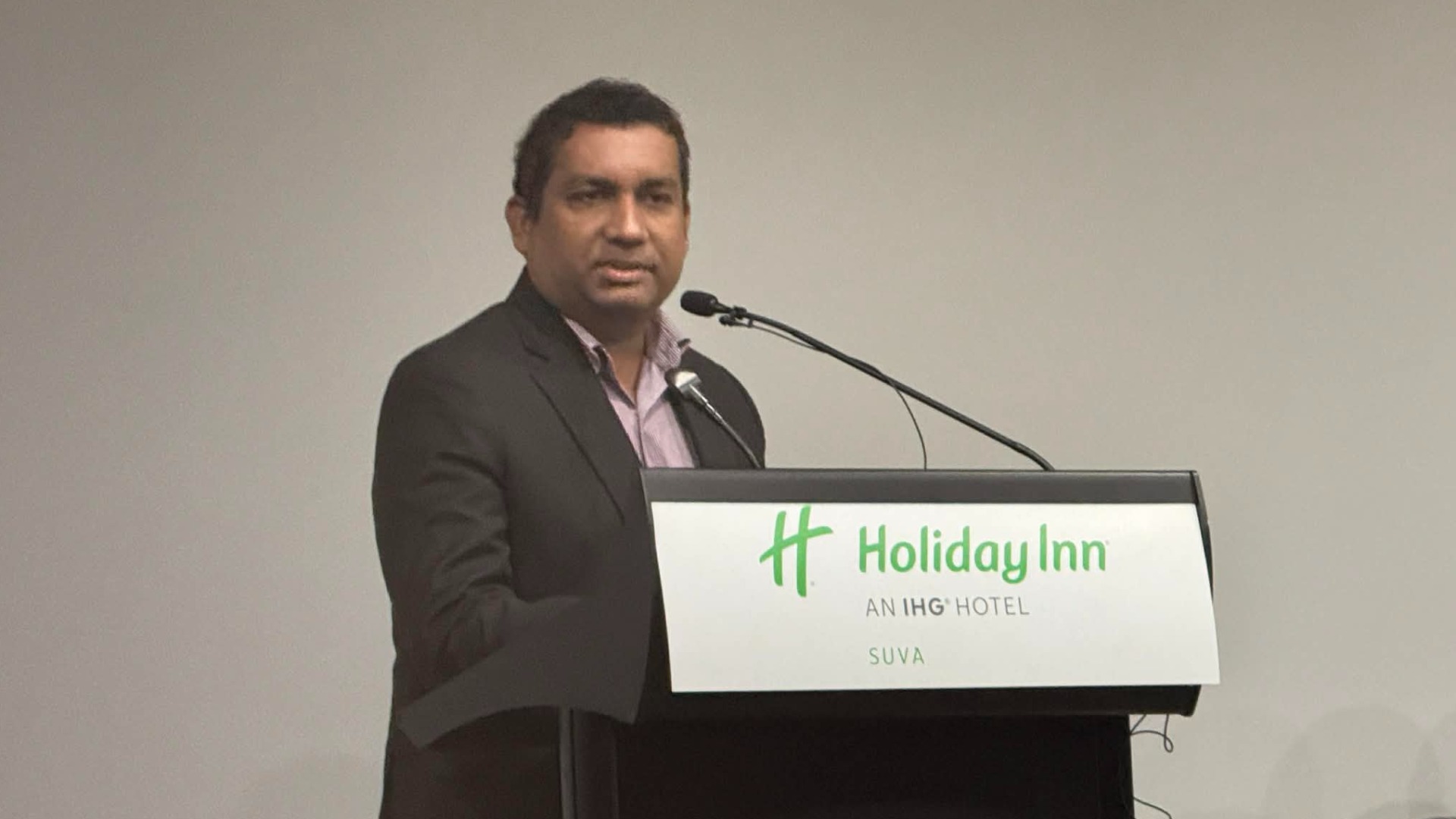
Speaking at the Digital Media Literacy Training in Suva, Dialogue Fiji Executive Director Nilesh Lal emphasized the critical need for safeguards against false information that could illicitly influence voters or damage public trust in institutions.
“While digital platforms have significantly enhanced civic participation and political discourse, they have also been used globally to manipulate narratives, influence electoral outcomes and deepen social divisions,” Lal told attendees at the Holiday Inn event.
Fiji’s particular vulnerability stems from what Lal described as the nation’s “fragile social cohesion,” which could be further compromised by divisive online content. He stressed that digital interactions should strengthen national unity rather than undermine it, especially during sensitive electoral periods.
“As the nation moves into an election period, safeguards must be strengthened to ensure online spaces are not abused to spread false or misleading information that could erode public confidence in democratic institutions,” he said.
The South Pacific island nation, which has experienced political instability and several coups since gaining independence in 1970, has made strides toward democratic governance in recent years. However, ethnic tensions and political polarization continue to present challenges to national unity.
Lal also raised concerns about Fiji’s current legal framework governing online expression, calling for open discussion about several provisions that could potentially be misused. He specifically highlighted Section 24 of the Online Safety Act, Section 144 of the Electoral Act, and Section 15 of the Public Order Act as areas of concern.
While acknowledging the importance of protecting citizens from online harm, Lal cautioned that broadly defined legal provisions might create opportunities for selective prosecution and could inadvertently restrict legitimate political expression and dissent—essential components of a healthy democracy.
Digital media literacy has become increasingly important across the Pacific region, where internet penetration and social media usage have grown rapidly in recent years. In Fiji, where approximately 55% of the population now has internet access, the potential impact of online misinformation campaigns is significant.
Regional experts point to examples from other countries where coordinated disinformation campaigns have influenced election outcomes, intensified social conflicts, and undermined public confidence in electoral systems. These cautionary tales underscore the urgency of Lal’s message for Fiji.
The Digital Media Literacy Training represents part of a broader effort to prepare Fijian society for the challenges of navigating information during election periods. Lal emphasized that true digital literacy extends beyond technical skills to include awareness of rights, responsibilities, and the democratic implications of online engagement.
Media analysts note that small island nations like Fiji face unique challenges in combating digital misinformation. Limited resources for fact-checking, complex regional geopolitics, and sometimes limited regulatory frameworks can make these countries particularly vulnerable to information manipulation.
As Fiji prepares for its electoral process, stakeholders across civil society, government, and media organizations are being encouraged to collaborate on initiatives that promote responsible digital citizenship while preserving freedom of expression.
The training in Suva represents one step in this direction, aiming to equip Fijians with the critical thinking skills necessary to evaluate online information and participate constructively in democratic processes despite the challenges of the digital age.
Fact Checker
Verify the accuracy of this article using The Disinformation Commission analysis and real-time sources.

14 Comments
Fiji’s vulnerability to the divisive effects of online misinformation is a sobering reminder that no country is immune. Strengthening safeguards to protect social cohesion and institutional integrity is a shared global challenge.
You’re right. As digital connectivity continues to transform political discourse worldwide, developing effective countermeasures against misinformation will be an ongoing priority for democratic societies.
It’s concerning to hear that digital misinformation could potentially influence electoral outcomes in Fiji. Maintaining public trust in institutions is critical for a healthy democracy.
Agreed. Addressing this issue proactively, as Fiji is doing, is prudent. Ensuring online spaces strengthen national unity is a noble objective during sensitive political periods.
The warning from Dialogue Fiji’s executive director highlights the delicate balance between the benefits and risks of digital platforms. Vigilance is required to prevent them from being weaponized against democratic processes.
Indeed. Empowering citizens with digital media literacy is an important step, but ongoing monitoring and adaptive responses will also be crucial to stay ahead of evolving misinformation tactics.
This is a concerning issue that many countries are grappling with. Misinformation can indeed undermine democratic processes if left unchecked. Ensuring digital platforms are not misused to sow division is crucial, especially during elections.
I agree, the fragility of Fiji’s social cohesion makes this a particularly pressing challenge. Strengthening safeguards to maintain national unity online is a sensible approach.
The concerns raised about the potential for digital platforms to undermine Fiji’s democratic institutions are valid. Maintaining public trust is essential, and proactive steps to address this threat are commendable.
Agreed. Promoting digital media literacy and ensuring online spaces strengthen national unity, rather than divide, are sensible approaches during sensitive electoral periods.
This is a complex issue without easy solutions, but Fiji’s efforts to get ahead of it are admirable. Balancing the benefits of digital platforms with safeguards against misinformation will be an ongoing challenge for democracies worldwide.
Absolutely. Vigilance and adaptive responses will be crucial as digital threats evolve. Empowering citizens with digital literacy skills is a good start, but continued monitoring and proactive measures will be essential.
Digital media literacy training is a step in the right direction to empower citizens and build resilience against misinformation. Fostering a well-informed populace is key to preserving the integrity of democratic institutions.
Absolutely. Enhancing civic participation and political discourse in a constructive manner should be the goal, rather than allowing online platforms to be exploited for divisive ends.