


Listen to the article
Fact-Checking Roundup: Viral Misinformation Debunked
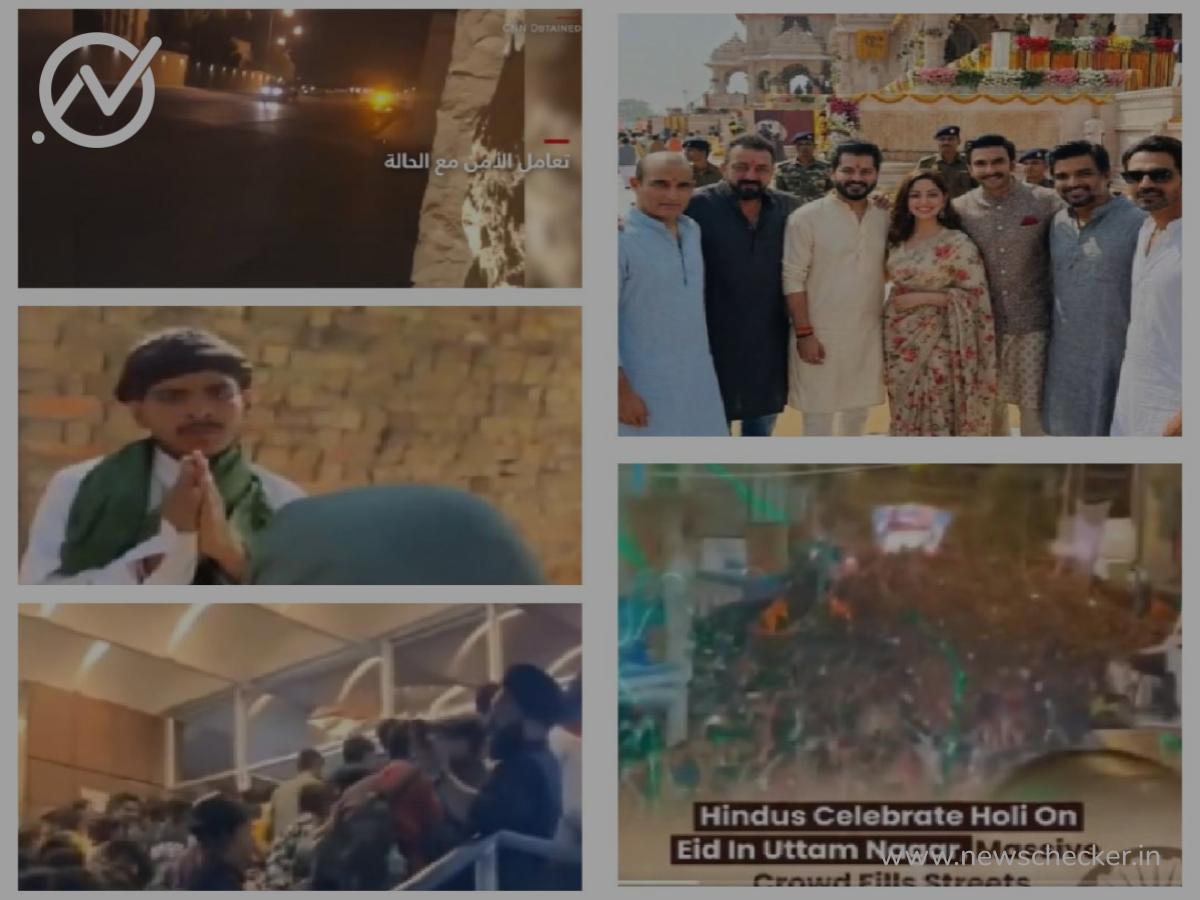
A series of fabricated images and misleading videos circulated widely on social media this week, with fact-checkers working overtime to separate truth from fiction. From AI-generated images falsely associated with Bollywood celebrities to scripted videos fueling communal narratives, digital misinformation continued to challenge media literacy.
The cast of the recently released film “Dhurandhar 2” found themselves at the center of a viral hoax when an AI-generated image purportedly showed stars Sanjay Dutt, Ranveer Singh, Akshaye Khanna, and R Madhavan visiting the Ram Temple in Ayodhya. Despite widespread sharing of the image with claims about the actors’ pilgrimage, fact-checkers confirmed no such visit occurred. The convincing but fabricated image demonstrates the growing sophistication of AI-generated content and its potential to mislead audiences.
In a separate incident related to the same film, social media users circulated footage allegedly showing massive crowds waiting to watch “Dhurandhar 2,” suggesting an unprecedented public response to the Ranveer Singh starrer. Investigation revealed the video actually depicted audiences gathering for the screening of “Gadar 2” in August 2023, months before “Dhurandhar 2” was released.
Communal tensions were stoked by a viral video purporting to show a Muslim man faking a disability to beg in a “Hindu-majority village.” Fact-checkers determined the video was entirely scripted and originally posted by a Facebook page known for creating staged social awareness content. Despite its fictional nature, the video was widely shared with inflammatory captions designed to heighten religious divisions.
Another misleading video claimed to show Hindu residents of Delhi’s Uttam Nagar neighborhood gathering in large numbers on Eid, supposedly in response to the murder of Tarun Kumar during Holi celebrations. Verification revealed the footage was actually from Karnataka and unrelated to the Delhi incident. The video’s false framing appeared designed to escalate tensions following the actual murder case that occurred during the festival.
International misinformation also made rounds as an old video resurfaced claiming to show gunfire near the Saudi royal palace in Riyadh amid escalating tensions in the Middle East. Fact-checkers confirmed the footage predated current conflicts and had no connection to Crown Prince Mohammed bin Salman’s residence or recent regional developments.
These incidents highlight the persistent challenge of misinformation in the digital media landscape. Social media platforms continue to serve as fertile ground for the rapid spread of false narratives, often gaining significant traction before fact-checking efforts can catch up.
Media experts note that politically and communally charged content spreads particularly quickly, as does misinformation related to popular culture figures. The combination of AI tools, recycled old footage, and deliberate misrepresentation creates a complex environment for information consumers.
“The speed at which false information spreads often outpaces verification efforts,” said a digital media analyst who tracks misinformation trends. “Particularly concerning is how AI-generated images have become nearly indistinguishable from authentic photos, making verification increasingly challenging for average users.”
As these trends continue, media literacy experts emphasize the importance of scrutinizing sources, checking publication dates of videos, and verifying information across multiple credible outlets before sharing content online—especially during emotionally charged events or when content appears designed to provoke strong reactions.
Fact Checker
Verify the accuracy of this article using The Disinformation Commission analysis and real-time sources.

8 Comments
The growing sophistication of AI-generated content is concerning, as it can be easily weaponized to spread misinformation. Fact-checking and media literacy efforts are crucial to combat this trend.
I agree, the ability of AI to create convincing yet fabricated visuals poses a serious threat to the integrity of online information. Strengthening media literacy is vital to help the public navigate this evolving landscape.
The Dhurandhar 2 case highlights the need for greater media literacy and vigilance against manipulated visuals and videos. Fact-checkers play a vital role in debunking such hoaxes.
You’re right, this case demonstrates how quickly misinformation can spread on social media. It’s a good reminder to always verify claims, especially those involving celebrity news or major events.
Interesting to see how AI-generated content can spread misinformation so easily these days. Important for the public to be more critical and fact-check viral claims before sharing them.
Absolutely, the sophistication of AI-generated media makes it increasingly challenging to spot fakes. Fact-checking is crucial to combat the proliferation of misinformation online.
This case underscores the importance of verifying information, especially when it involves high-profile figures or sensitive topics. Fact-checking must keep pace with the rapid advancement of AI and other technologies enabling misinformation.
Misleading footage and AI-generated images are becoming more common. While technological advances enable new forms of creativity, they also introduce new risks of deception. Responsible reporting and critical thinking are key to addressing this challenge.