


Listen to the article
India’s LPG Supply Chain Remains Intact Despite Global Tensions and Panic Buying
India is experiencing an artificial shortage of Liquefied Petroleum Gas (LPG) cylinders driven primarily by panic buying rather than actual supply constraints, according to government officials. The phenomenon mirrors what French social psychologist Gustave Le Bon described in his 1895 work “The Crowd: A Study of the Popular Mind,” where fear spreads rapidly through populations, overriding logical thinking.
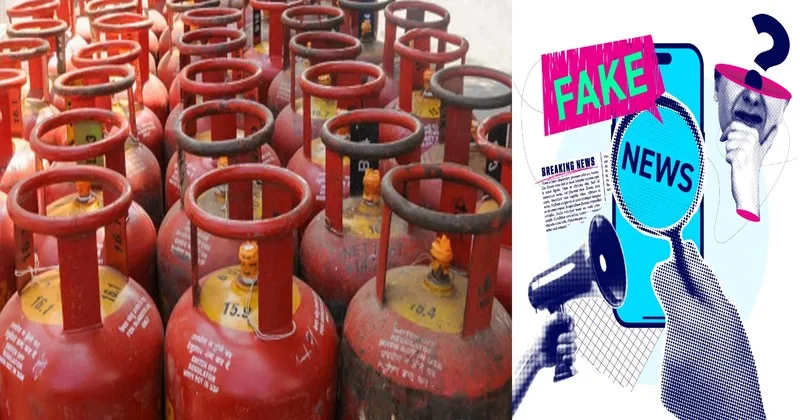
Despite reassurances from authorities that LPG supplies remain adequate, rumors circulating on social media have triggered widespread anxiety, leading consumers to book multiple cylinders in advance. This behavior has created temporary distribution challenges in some regions.
“There is no actual shortage of domestic gas,” Union Petroleum Minister Hardeep Singh Puri recently informed Parliament. “Due to the government’s efforts, domestic LPG production has increased by approximately 28 percent in the last five days and is being supplied to domestic consumers on a priority basis.”
The perceived shortage comes amid escalating tensions in the Middle East, particularly affecting the strategic Strait of Hormuz—a narrow 33-kilometer waterway through which approximately 90 percent of India’s imported LPG passes. The ongoing conflict between US-Israel and Iran has partially disrupted shipping routes in the region, as Iran has targeted vessels from several Gulf states, including the UAE, Qatar, Saudi Arabia, and Kuwait.
India imports roughly 60 percent of its LPG requirements, making it vulnerable to geopolitical disruptions in the Middle East. However, the government had anticipated potential supply chain issues and implemented contingency measures.
In November 2023, Indian public sector oil companies signed a landmark one-year contract to import approximately 2.2 million tons of LPG annually from the US Gulf Coast through 2026. This represents the first such US-India LPG agreement and accounts for about 10 percent of India’s annual LPG imports, reducing dependence on Middle Eastern sources.
To address the current situation, the government has implemented several measures. The Essential Commodities Act of 1955 has been invoked to prevent hoarding, while public and private refineries have been directed to increase production. Propane and butane supplies have been diverted to maximize LPG output, and priority distribution has been established for hospitals and educational institutions.
Sujata Sharma, Joint Secretary in the Petroleum Ministry, has urged consumers to avoid panic booking. “After the Iran conflict began, there was no shortage of LPG cylinders in the country. Almost everything was proceeding normally, with little discrepancy between demand and supply,” she noted.
India consumes approximately 2.35 billion LPG cylinders annually—about 6 million per day. Of this, 88 percent is for domestic use, while 12 percent serves commercial purposes like restaurants and industrial applications.
Psychologists identify several factors driving the current panic buying. These include fear of future unavailability, misinformation spread through social media, herd mentality as people observe others’ buying behaviors, and heightened anxiety during perceived crises. These combined factors create temporary market shortages, which can lead to price increases and black market activity.
Some analysts suggest political motivations behind the rumor campaign. With assembly elections scheduled in West Bengal, Kerala, Tamil Nadu, Assam, and Puducherry, there are allegations that certain political factions are attempting to undermine the Central government by spreading misinformation about an LPG crisis.
The government has approved compensation of ₹30,000 crore to oil companies for lower profit margins on LPG and released an additional 48,000 kiloliters of kerosene to state governments as an alternative cooking fuel.
All refineries in the country are reportedly operating at 100 percent capacity, ensuring adequate daily supplies. While temporary delays may occur in some locations due to distribution challenges caused by the spike in demand, officials emphasize this does not constitute a systemic crisis.
The situation highlights the delicate balance between actual supply constraints and psychological factors in creating market disruptions, as well as India’s ongoing efforts to diversify its energy sources in an increasingly unstable geopolitical environment.
Fact Checker
Verify the accuracy of this article using The Disinformation Commission analysis and real-time sources.

7 Comments
This article provides a nuanced look at the complexities behind the perceived LPG shortage in India. It’s a good reminder that sometimes the root causes are not always as straightforward as they may initially appear.
Interesting to see the government clarifying that the LPG supply shortage is more due to panic buying than actual supply constraints. Glad to hear domestic production has ramped up to meet the demand.
Yes, it’s a good reminder that rumors and fear can sometimes distort the real situation. Proactive communication from authorities is important to counter misinformation.
The government’s efforts to increase domestic LPG production by 28% in just a few days is an impressive feat. Hopefully this helps stabilize the supply and distribution challenges in the affected regions.
Agreed, the quick ramp-up in production is a positive sign that the authorities are taking the situation seriously and responding effectively.
While global tensions in the Middle East are undoubtedly a factor, it’s good to see the article highlighting the role of social media rumors and panic buying in exacerbating the LPG shortage. Fact-checking and clear communication will be key.
The article provides a helpful historical perspective, connecting the current LPG crisis to the human tendency for fear and panic to spread rapidly through populations. Curious to see if the authorities can get the situation under control.