


Listen to the article
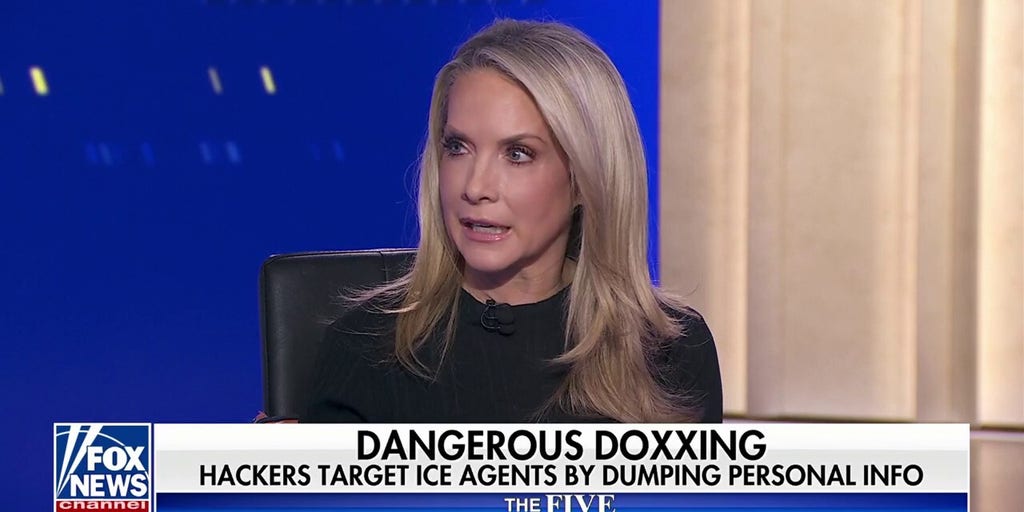
In a candid on-air discussion, Fox News contributor Dana Perino addressed what she described as widespread misinformation surrounding a key political issue, urging viewers to approach the topic with greater scrutiny.
Perino, who served as White House Press Secretary during the George W. Bush administration, emphasized the importance of fact-checking and seeking multiple sources before forming opinions on contentious matters dominating the current news cycle.
“We’re seeing a troubling pattern where partial truths are amplified while critical context gets lost in the conversation,” Perino stated during the segment. “When Americans make decisions based on incomplete information, it undermines our ability to have meaningful public discourse.”
The discussion comes amid growing concerns about the spread of misinformation across traditional and social media platforms, particularly as the United States navigates politically divisive times. Media analysts have noted that polarization in news consumption habits has contributed to Americans developing vastly different understandings of the same events.
Perino, who has built a reputation as a more measured voice in political commentary, suggested that media literacy remains crucial for viewers navigating today’s complex information landscape. She outlined specific examples where narratives had been constructed by selectively highlighting certain facts while omitting others that might provide necessary context.
Media research indicates that public trust in news organizations has declined significantly over the past decade. According to Gallup polling data, only 34% of Americans report having a “great deal” or “fair amount” of trust in mass media, representing a historic low. This erosion of trust creates fertile ground for misinformation to flourish.
Communication experts point to several factors contributing to the current information environment. The 24-hour news cycle creates pressure to deliver content continuously, sometimes at the expense of thorough fact-checking. Additionally, social media algorithms tend to amplify content that generates strong emotional reactions rather than nuanced reporting.
“What we’re seeing is not just a failure of individual media outlets but a systemic challenge to how information flows in our digital age,” said Dr. Melissa Richards, a media studies professor at Columbia University, when asked about the phenomenon Perino referenced. “When high-profile commentators acknowledge these issues, it represents an important step toward addressing them.”
Fox News itself has faced scrutiny regarding information accuracy in recent years. In 2021, the network settled a defamation lawsuit with Dominion Voting Systems for $787.5 million over false claims about the 2020 presidential election, highlighting the real-world consequences of broadcasting unverified information.
Perino’s comments reflect a growing self-awareness within some media circles about the responsibility news organizations have in providing accurate, contextual information to viewers. Industry watchdogs have called for greater transparency in sourcing and more clear distinction between factual reporting and opinion content.
The challenge of misinformation extends beyond politics. Public health officials have struggled to combat false information about vaccines and treatments, while financial markets have experienced volatility due to the spread of misleading economic data on social platforms.
Media literacy advocates recommend that consumers diversify their news sources, seek primary documents when possible, and approach sensational claims with healthy skepticism. Several non-partisan fact-checking organizations have emerged to help citizens navigate complex issues, though their reach often fails to match the spread of the misinformation they aim to correct.
As election seasons approach, the concern about misinformation is likely to intensify. Political campaigns increasingly dedicate resources to monitoring and responding to false claims, while platforms like Meta and X (formerly Twitter) continue to refine their content moderation policies.
Perino’s frank assessment serves as a reminder that even within media organizations, there exists recognition of the challenges facing an informed electorate in the digital age.
Fact Checker
Verify the accuracy of this article using The Disinformation Commission analysis and real-time sources.

9 Comments
Glad to see a Fox News contributor addressing misinformation head-on. Perino’s background and reputation for reasoned analysis could help cut through some of the partisan noise on this issue.
It’s encouraging to see someone with Perino’s profile speaking up about the dangers of misinformation. Fact-checking and source verification are critical, but the challenge is getting people to actually change their information-seeking habits.
Misinformation is a huge threat to democracy. Perino is right to emphasize the importance of Americans seeking out multiple credible sources before forming opinions. But the solutions aren’t simple – this is a complex societal challenge.
Polarization in news consumption is a real concern. We need to find ways to bridge the divides and get Americans accessing a shared set of facts, even if we disagree on the conclusions. Curious to hear more solutions-oriented ideas from Perino.
Appreciate Dana Perino’s call for more fact-checking and scrutiny in the news. In these divisive times, it’s crucial that Americans have access to full, accurate information to make informed decisions.
I agree, misinformation can be incredibly damaging. Seeking out multiple reliable sources is so important to get the full context on complex political issues.
This is a tricky balance – we want freedom of speech, but also need to combat the spread of verifiable falsehoods. Curious to hear more of Perino’s thoughts on how media can better promote truth without stifling debate.
That’s a great point. Preserving open discourse while rooting out misinformation is a real challenge. Fact-checking and source verification will be crucial, but it has to be done thoughtfully.
As someone who has worked in government, Perino likely has valuable insights on the information challenges facing policymakers and the public. Her measured approach seems well-suited for this sensitive topic.