


Listen to the article
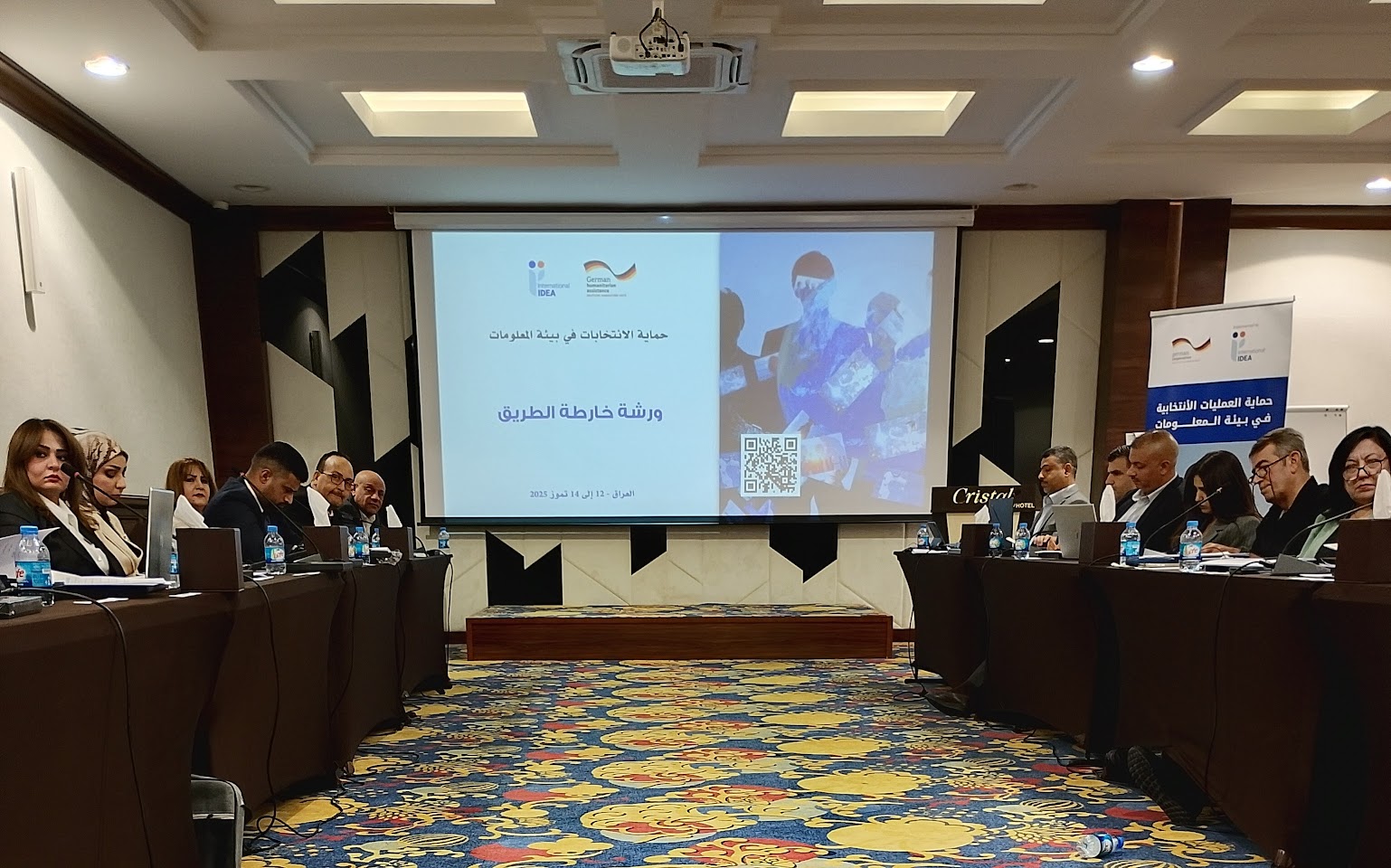
In a significant move to safeguard democratic processes, key electoral stakeholders gathered in Erbil, Kurdistan Region of Iraq, to develop strategies for protecting the upcoming 2025 parliamentary elections from information threats. The workshop brought together 30 representatives from various sectors, marking an important step in Iraq’s electoral preparedness.
The multistakeholder group comprised officials from Iraq’s Independent High Electoral Commission (IHEC), members of civil society organizations, and academics. Representatives from the United Nations Assistance Mission for Iraq (UNAMI) and the United Nations Development Programme (UNDP) also attended, underlining the international community’s commitment to supporting Iraq’s democratic institutions.
Participants focused on creating a prioritized action plan to address information environment challenges in the lead-up to the November 2025 parliamentary elections. These elections come at a crucial time for Iraq, which continues to navigate political complexities following years of instability and the challenges of rebuilding democratic institutions after conflict.
The Erbil workshop built upon foundations laid earlier this year during a mapping event held in Baghdad in April. That preliminary session identified key vulnerabilities in Iraq’s information ecosystem that could potentially undermine electoral integrity. Based on those findings, the latest workshop developed concrete implementation activities aimed at protecting the electoral process from misinformation, disinformation, and other information manipulation tactics.
Among the key initiatives planned is a crisis communication training session to be held in Baghdad. This program aims to equip electoral officials and other stakeholders with the tools and knowledge necessary to respond effectively to information-related crises during the election period. Officials will learn strategies for maintaining public trust and communicating accurate information during high-pressure situations.
Another significant component is an implementation workshop specifically designed to strengthen cooperation among civil society organizations based in Erbil. This initiative recognizes the crucial role that civil society plays in monitoring, fact-checking, and countering misinformation campaigns that could undermine electoral integrity.
The activities in Iraq are part of a broader international initiative aimed at protecting electoral processes in the information environment across six focus countries. The project takes a global approach to a growing challenge that has affected democracies worldwide, as digital technologies have transformed how information spreads during election periods.
By drawing on global best practices and facilitating exchanges between partner countries, the project creates opportunities for comparative learning and adaptation of successful approaches to local contexts. This knowledge-sharing component is particularly valuable for countries like Iraq, which face unique challenges but can benefit from solutions developed in other regions.
The initiative recognizes that protecting elections from information manipulation requires a whole-of-society approach. By bringing together electoral management bodies, civil society, academics, and international organizations, the project aims to build resilience against threats that target voters’ access to accurate information.
As digital platforms continue to play an increasingly important role in how citizens receive information about elections and candidates, the need for coordinated responses to misinformation has grown more urgent. Recent elections globally have demonstrated how vulnerable democratic processes can be to coordinated disinformation campaigns, whether domestically or foreign-generated.
For Iraq, which has experienced significant political transitions in recent years, ensuring the integrity of the 2025 parliamentary elections will be crucial for continued democratic development. The multistakeholder approach being implemented represents a recognition that electoral integrity depends not only on technical procedures but also on the information environment in which voters make their decisions.
The lessons learned from this project will ultimately be shared with global audiences, contributing to the growing body of knowledge on protecting electoral processes in the digital age.
Fact Checker
Verify the accuracy of this article using The Disinformation Commission analysis and real-time sources.

12 Comments
Safeguarding democratic processes in Iraq is crucial, especially with upcoming elections. Developing strategies to counter disinformation threats is a wise move to ensure the integrity of the vote.
The Erbil workshop builds on important groundwork laid earlier this year. Continuity and consistency in these efforts will be vital for ensuring long-term success in countering disinformation.
It’s encouraging to see the international community, through UNAMI and UNDP, providing support for Iraq’s democratic institutions. Collaborative efforts are crucial in tackling complex information threats.
The international community’s involvement, through UNAMI and UNDP, highlights the importance of this issue. Collaborative support can help Iraq build resilience against information threats.
Bringing together officials, civil society, and academia is a smart approach. Diverse perspectives and expertise will be essential for developing effective strategies to address information threats.
Absolutely. Collaborative, multistakeholder efforts are crucial for tackling complex challenges like disinformation in the digital age.
The timing of these efforts is important, as Iraq navigates a complex political landscape following years of instability. Proactively addressing information threats can help strengthen democratic institutions and processes.
Protecting the integrity of elections is paramount for any democracy. This initiative in Iraq is a positive step towards strengthening the country’s democratic processes.
Developing a prioritized action plan is a prudent step. Identifying and addressing specific challenges in the information environment will be key to safeguarding the upcoming parliamentary elections.
It’s encouraging to see Iraq taking proactive measures to safeguard its upcoming elections. Addressing information environment challenges is a vital part of strengthening democratic institutions.
It’s encouraging to see a multi-stakeholder approach involving government, civil society, and international organizations coming together to address information environment challenges. Collaboration is key for effective solutions.
Absolutely. Bringing diverse perspectives and expertise will be critical for developing a comprehensive roadmap to protect Iraq’s elections.