


Listen to the article
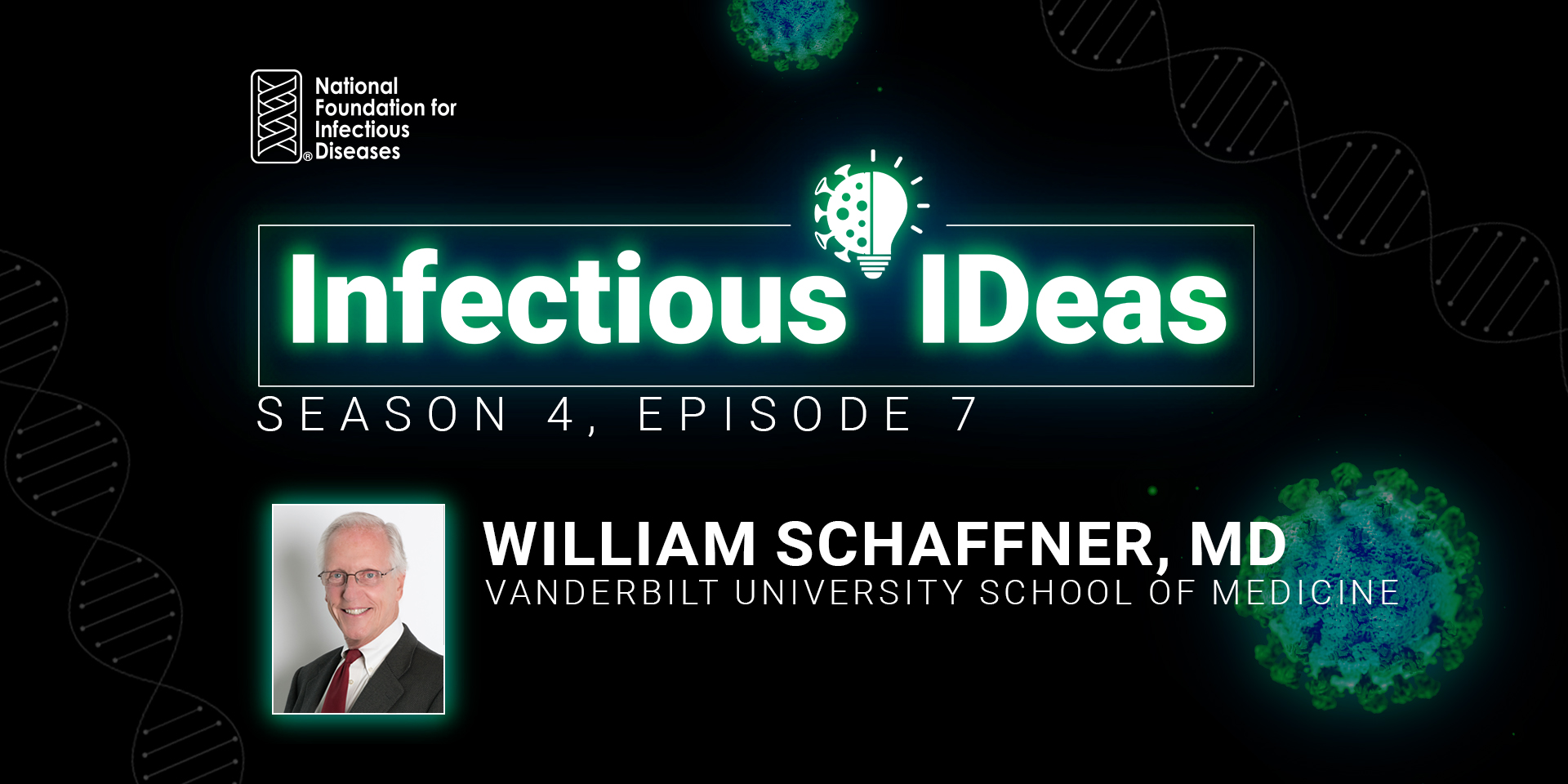
In an era dominated by digital information, scientists face unprecedented challenges when communicating vital research to the public. The latest episode of the “Infectious IDeas” podcast, hosted by the National Foundation for Infectious Diseases (NFID), tackles the critical issue of science communication in today’s complex media landscape.
The podcast features Dr. Seema Kumar, a distinguished expert in science communication and public engagement. With extensive experience working with major pharmaceutical companies and research institutions, Kumar brings valuable insights into how scientists can effectively share their findings in ways that resonate with diverse audiences.
“The scientific community is grappling with a paradox,” Kumar explains during the episode. “We’re producing more research than ever before, yet public trust in science continues to fluctuate, especially around topics like vaccines and infectious diseases.”
This communication gap has become particularly evident during the COVID-19 pandemic, when misinformation spread as rapidly as the virus itself. Public health experts found themselves competing with unverified claims on social media platforms, where emotional narratives often gained more traction than evidence-based information.
Kumar emphasizes that effective science communication requires more than simply presenting facts. “Scientists need to understand the psychological and social factors that influence how people process information,” she notes. “The human brain is naturally drawn to stories and emotional connections, not just data points.”
The podcast explores practical strategies for researchers and public health officials. Among the key recommendations is the importance of tailoring messages to specific audiences. Information directed at healthcare professionals requires different framing than content designed for the general public or policy makers.
Trust-building emerges as another crucial element. Kumar points out that transparency about what is known, what remains uncertain, and how scientific understanding evolves over time helps maintain credibility. “When scientists acknowledge limitations in current knowledge, it actually strengthens public trust rather than diminishing it,” she says.
Digital literacy also receives significant attention in the discussion. With approximately 70% of Americans now getting news from social media according to recent Pew Research data, scientists must navigate these platforms effectively while maintaining scientific integrity.
The conversation also addresses institutional barriers that sometimes hinder effective communication. Academic systems traditionally reward publication in specialized journals rather than public engagement, though this paradigm is gradually shifting as more research organizations recognize the importance of broader communication.
“We’re seeing leading institutions now include public engagement metrics in their evaluation processes,” Kumar observes. “This represents a significant cultural shift in how scientific success is measured.”
The NFID podcast comes at a critical moment for public health communication. With multiple infectious disease threats emerging globally and vaccine hesitancy remaining a persistent challenge, clear and trustworthy information channels are essential infrastructure for public health.
Dr. William Schaffner, NFID Medical Director, underscores this point: “Effective communication isn’t just about countering misinformation—it’s about proactively building scientific literacy so people can evaluate health information critically.”
The episode concludes with an optimistic outlook, highlighting innovative approaches being developed across the scientific community. From visual storytelling techniques to collaborative projects with communication experts, scientists are increasingly embracing new methods to share their work.
For health professionals and researchers seeking to improve their communication skills, the podcast offers a valuable starting point. As infectious disease threats continue to evolve, so too must the strategies used to communicate about them—ensuring that sound science informs public understanding and policy decisions in an increasingly complex information environment.
Fact Checker
Verify the accuracy of this article using The Disinformation Commission analysis and real-time sources.

7 Comments
The spread of misinformation alongside vital research is a concerning trend. Experts need to find innovative ways to cut through the noise and effectively communicate complex scientific findings. Curious to learn Kumar’s specific recommendations from the podcast.
Interesting to hear about the paradox of increased research output but fluctuating public trust. Clearly there’s a gap that needs to be bridged through more strategic, engaging science communication. Glad to see experts tackling this challenge head-on.
Absolutely. Bridging that gap is so crucial, especially for critical issues like public health. Looking forward to insights on practical, evidence-based approaches to reach and inform diverse audiences.
Effective science communication is so vital, especially for topics like infectious diseases that impact public health. Curious to learn Kumar’s perspectives on navigating the modern media landscape and adapting messaging for different demographics.
The COVID-19 pandemic really highlighted the importance of clear, effective science communication. Experts need to proactively counter misinformation and find creative ways to share complex research in accessible, relatable ways. Curious to hear Kumar’s specific strategies.
Agreed. Combating misinformation is such a crucial but tricky task. Looking forward to the podcast insights on reaching diverse audiences and building public trust in science.
Interesting insights on the challenges of science communication in the digital age. Misinformation can spread quickly, so it’s critical for experts to find effective ways to engage the public and build trust. Looking forward to learning more from the podcast.