


Listen to the article
In an era where truth seems increasingly elusive, social media has become a breeding ground for health and wellness misinformation, creating modern-day false prophets with little more than physical appearance and a platform to validate their expertise.
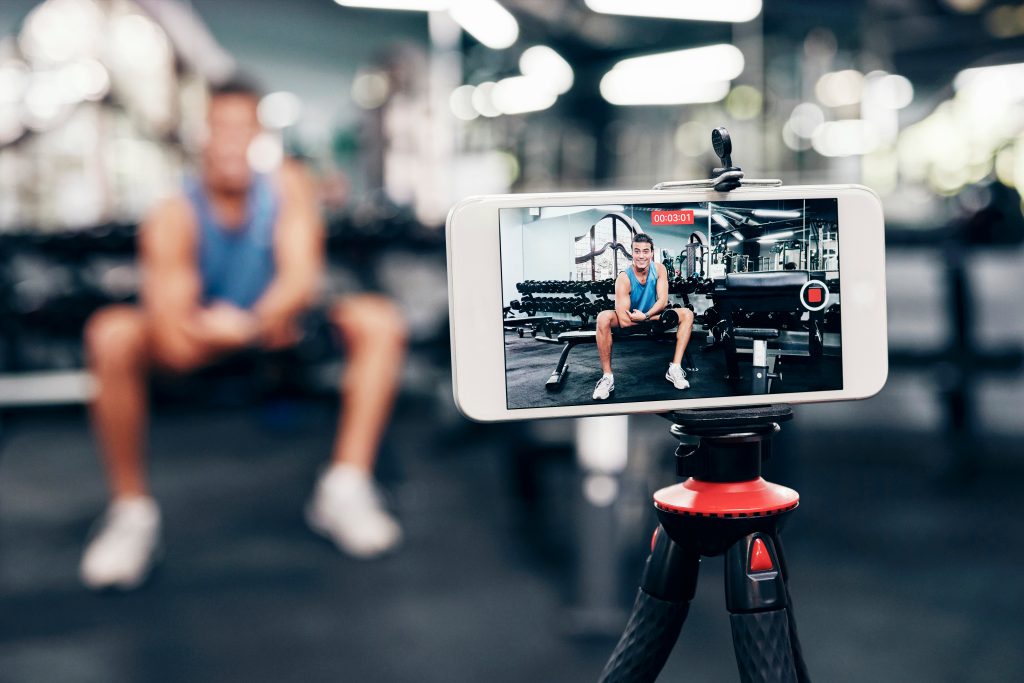
“Anyone with abs and an Instagram account can now be a wellness influencer,” explains Rachel Keele, director of University Wellness at Andrews University, who sees disturbing parallels between today’s social media personalities and biblical false prophets. These digital influencers have mastered transforming genuine health concerns into profitable empires built on questionable advice.
The comparison to the prophets of Baal from biblical texts is particularly apt. Like those ancient figures who used theatrics and showmanship to captivate audiences, today’s wellness influencers employ charismatic performances and shocking claims to build followership. Their content is perfectly crafted for the digital age—brief, attention-grabbing videos making extreme claims that spread rapidly through social networks.
Digital platforms exacerbate the problem through sophisticated algorithms that create echo chambers, where questionable health advice appears universally accepted. What makes these influencers particularly effective is their ability to establish parasocial relationships—one-sided connections where followers develop trust with personalities they’ve never met.
“Influencers build one-sided relationships with their audiences, then use that undeserved trust to trigger fears and prey on biases,” Keele notes. Common tactics include alarmist claims about “toxins” or assertions that conventional medical wisdom is fundamentally flawed.
The consequences extend far beyond wasted money on useless products. Health misinformation can lead to genuinely dangerous practices, including the development of disordered eating patterns, distrust in qualified healthcare professionals, and even avoidance of life-saving medical treatments.
The digital wellness industry has exploded into a multi-billion-dollar market. According to recent market research, the global wellness economy is valued at over $4.5 trillion, with significant portions driven by social media marketing. Unlike traditional health communications, these platforms operate with minimal oversight or accountability for accuracy.
Public health officials have expressed growing concern over this trend. A 2022 survey by the American Medical Association found that 86% of physicians reported having patients who regularly presented with misconceptions about health derived from social media. The problem has become so pervasive that medical schools are now incorporating specific training to help doctors counter misinformation encountered in clinical settings.
What makes wellness misinformation particularly pernicious is its amplification mechanism. Short-form content promoting extreme claims requires minimal production effort yet spreads faster than the detailed, evidence-based content needed to debunk it. By the time experts can respond to one viral health myth, dozens more have already taken its place.
Keele suggests practical approaches for those not ready to abandon social media entirely. “Be mindful of the amount of time you spend scrolling, unfollow and avoid accounts that focus on fear-based content, and think critically before sharing a video with an unproven claim,” she advises.
Digital literacy experts support these recommendations, adding that checking the credentials of health content creators is essential. Legitimate health professionals typically have verifiable qualifications and base their recommendations on peer-reviewed research rather than anecdotes or personal theories.
The biblical reference in Keele’s guidance—”Come now, let us reason together”—serves as a reminder that discernment and critical thinking have long been valued across cultural and religious traditions. In today’s information landscape, these skills have become not just virtues but necessities for navigating the complex terrain of health and wellness content.
As social media continues to evolve, the challenge of separating legitimate health guidance from profitable misinformation will likely intensify, making individual media literacy and thoughtful consumption patterns increasingly important safeguards against modern false prophets.
Fact Checker
Verify the accuracy of this article using The Disinformation Commission analysis and real-time sources.

12 Comments
Influencers with charisma and false expertise are a worrying trend. Platforms should do more to verify credentials and curb the spread of unsubstantiated health advice.
The wellness industry has important insights, but social media amplifies the most sensational and unfounded claims. Discernment is key for consumers.
Wow, the parallels drawn to biblical false prophets are quite striking. Social media has certainly amplified the reach of wellness misinformation.
Yes, the comparison is apt. These influencers are leveraging human psychology to build followings, much like ancient false prophets.
This is a timely and important issue. Wellness influencers are exploiting human psychology to build profitable empires on questionable advice. Combating this will require a multifaceted approach.
This is a complex issue – the wellness industry has valuable insights, but also unsubstantiated claims that can be harmful. Striking the right balance is crucial.
Agreed. Discernment is important when navigating the wellness space online. Professional medical advice should take priority over influencer claims.
This is a critical issue that requires a multi-faceted approach. Educating consumers, regulating platforms, and empowering legitimate health experts are all important steps.
Wellness influencers peddling questionable advice is certainly concerning. Social media amplifies their reach, but fact-checking and consumer awareness are key to combating misinformation.
The comparison to biblical false prophets is quite apt. These influencers are using charisma and showmanship to captivate audiences, much like their ancient counterparts.
Concerning to see how easily social media can be weaponized to spread misinformation, even in the health and wellness space. Rigorous fact-checking is sorely needed.
Agreed. Platforms need to do more to combat the spread of unsubstantiated health claims, perhaps by verifying credentials and promoting authoritative sources.