


Listen to the article
Climate Misinformation Campaigns Delay Action, Threaten Public Health Across Australia
False claims about climate change and renewable energy have migrated from the fringes of the internet to mainstream discourse, according to a comprehensive new Senate report. The parliamentary inquiry, supported across political lines by Labor, the Liberals, the Greens, and Independent senator David Pocock, has uncovered coordinated misinformation campaigns actively working to mislead the Australian public.
These targeted efforts have already succeeded in delaying climate action and stoking fear throughout communities, particularly in eastern Melbourne, where health experts warn of serious public health implications.
The inquiry found these campaigns operate with clear objectives: to delay action on reducing climate pollution, erode public trust in climate science, and inflame community conflict around renewable energy projects.
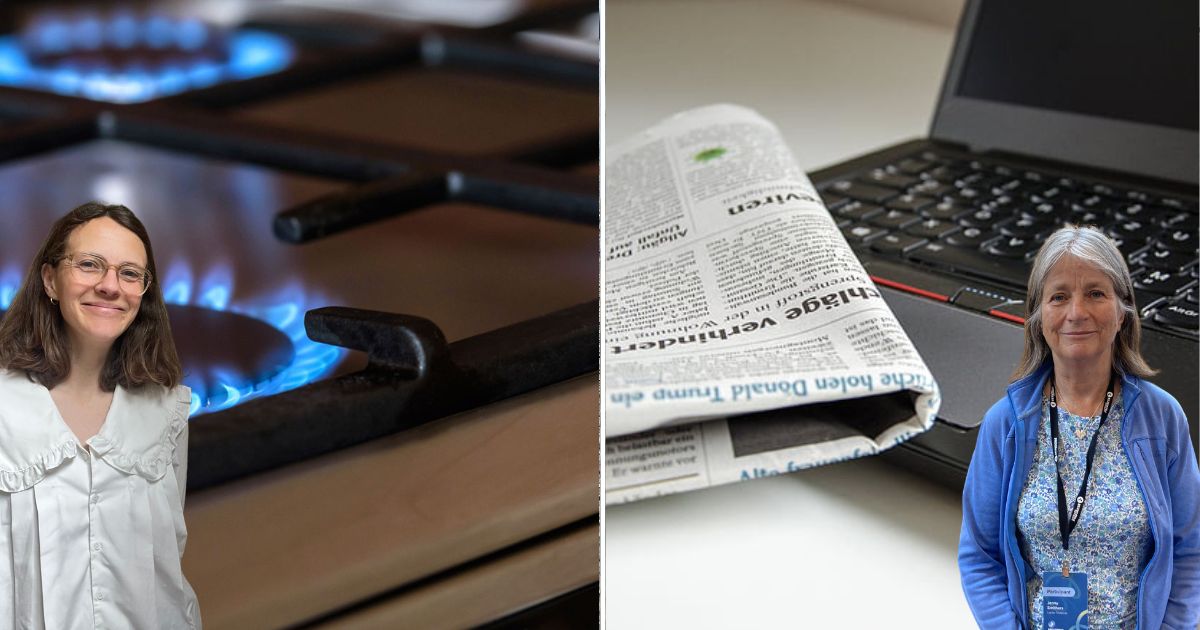
Dr. Cara Platts from Doctors for the Environment Australia (DEA), who co-authored the organization’s submission to the inquiry, emphasized the tangible health impacts of climate inaction.
“We’ve had the 11 hottest years on record in the previous 11 years – those numbers have real world impacts: increased heat days, increased mortality and higher burdens on our hospital systems,” Platts told the Eastern Melburnian.
She highlighted the gas industry’s promotion of natural gas as a particularly concerning example of disinformation that leads Australians to make decisions detrimental to their health.
“Our most recent peer-reviewed evidence shows that gas appliances in homes increase indoor air pollution, particularly affecting children’s respiratory health and asthma rates,” Platts explained.
The DEA recommends a multi-faceted approach to combat climate misinformation, including new legislation, litigation against perpetrators, collective community action, and broader public education campaigns.
The scope of the problem appears substantial. According to a 2025 survey by the News and Media Research Centre, 74 percent of Australians express concern about misinformation – the highest rate globally. This climate of uncertainty makes communities particularly vulnerable to false narratives around renewable energy projects.
Andrew Bray, National Director of RE-Alliance, who also submitted evidence to the inquiry, identified information gaps as a critical factor enabling misinformation to spread.
“One of the biggest contributors to community anxiety is not being able to access easy, factual, locally relevant and trusted information,” Bray told the Gippsland Monitor. “When there’s an information void, we just see it filled time and time again by false and exaggerated claims.”
Local climate action groups are witnessing these dynamics firsthand. Lighter Footprints, a volunteer-run organization based in Melbourne’s inner-east covering Boroondara, Stonnington, Whitehorse, and Monash, has been working to counter false narratives at the community level.
A representative from the group noted the psychological challenge of combating entrenched misinformation: “Once people have got ideas implanted in their mind, it’s quite hard to shift them or to get them to open their mind to other possibilities. We’ve just got to reach that tipping point where momentum pushes back against the misinformation. We’re asleep at the wheel when we’ve got this huge opportunity to have such a productive and bright future.”
The Senate report distinguishes between two forms of false information. Disinformation refers to deliberately created and spread false or misleading content designed to deceive or influence audiences. Misinformation, while also false or inaccurate, spreads without malicious intent.
According to the inquiry, a recognizable “climate obstruction” playbook is being deployed across Australia and internationally to delay action on energy transition. These tactics follow predictable patterns that ultimately slow down renewable projects and undermine both policy initiatives and public support for clean energy.
The findings raise significant concerns about Australia’s ability to meet its climate commitments and protect vulnerable communities from both climate impacts and the health effects of continued fossil fuel use. As climate misinformation continues to spread from fringe platforms to mainstream media channels, experts emphasize that addressing this information crisis has become essential to enabling effective climate action.
Fact Checker
Verify the accuracy of this article using The Disinformation Commission analysis and real-time sources.

18 Comments
It’s disappointing to see misinformation campaigns actively working to delay climate action. This kind of tactic is short-sighted and puts lives at risk. We need to counter these false narratives with truth and transparency.
Absolutely. Factual, objective information from credible sources is essential to combat the spread of climate misinformation. Building public awareness and support for science-based policies is key.
This report underscores the need for a robust, multi-pronged approach to combating the spread of climate misinformation. Restoring public trust in science and elevating authoritative voices must be a top priority to protect public health and environmental progress.
Well said. Effective strategies to counter misinformation will require collaboration between policymakers, scientists, media, and the public. Empowering people with critical thinking skills and access to reliable information is essential to overcoming this challenge.
This is a concerning trend. Climate misinformation can have serious public health and environmental consequences if left unchecked. Factual, science-based communication is crucial to address these challenges.
I agree. Coordinated disinformation campaigns undermine progress on critical issues like climate change. Restoring public trust in science and evidence-based policymaking should be a top priority.
This report highlights the urgent need to address the proliferation of climate misinformation. Targeted disinformation campaigns can have devastating impacts on public health and environmental progress. A coordinated, multi-stakeholder response is required.
I agree. Effective strategies to counter misinformation must involve collaboration between policymakers, scientists, media, and the public. Rebuilding trust in institutions and elevating authoritative voices will be crucial.
This report highlights the urgent need to address the spread of climate misinformation in Australia. Factual, science-based communication is essential to counter the damaging effects of coordinated disinformation campaigns.
Absolutely. Restoring public trust in institutions and elevating the voices of experts should be a top priority. Effective strategies to combat misinformation will require a multi-stakeholder approach involving policymakers, scientists, and the media.
The health impacts of climate inaction highlighted in this report are deeply concerning. We must take decisive action to counter misinformation and ensure policies are grounded in scientific evidence to protect public wellbeing.
Exactly. The stakes are too high to allow misinformation to derail critical climate action. Restoring trust in institutions and elevating the voices of experts should be a top priority for policymakers and the public alike.
Deeply concerning to see the public health impacts of climate misinformation highlighted in this report. Coordinated disinformation campaigns that delay climate action and erode trust in science pose a serious threat to communities.
I agree. Fact-based, transparent communication is crucial to counter these misleading narratives and ensure policies are grounded in scientific evidence. Building media literacy and strengthening institutions will be key to addressing this challenge.
Disturbing to see these coordinated efforts to undermine climate science and delay action. Disinformation campaigns that jeopardize public health and environmental progress must be confronted head-on with factual, evidence-based communication.
I couldn’t agree more. Building resilience against misinformation through media literacy, critical thinking, and strengthening institutions will be key to addressing this challenge. The future of our communities depends on it.
Disconcerting to see how climate misinformation has migrated from the fringes to the mainstream. This underscores the need for robust media literacy and critical thinking education to help the public navigate these complex issues.
Well said. Empowering people with the tools to identify and reject misinformation is key. Fact-based, science-driven communication will be essential to overcome the challenges posed by these coordinated disinformation campaigns.