


Listen to the article
In a world where climate change impacts are already tangible across Hawaii’s islands, educators and lawmakers are pushing for comprehensive climate literacy programs in schools to prepare the next generation for environmental challenges.
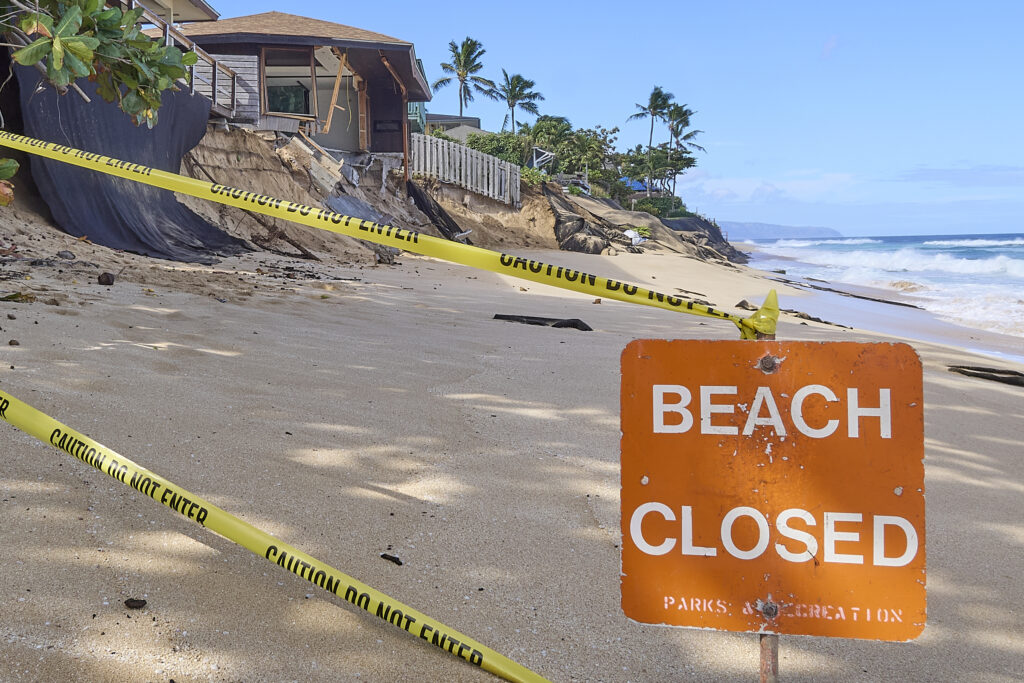
Hawaii’s students are experiencing climate change firsthand through intensifying storms, increased wildfire risk, and prolonged droughts. Despite these realities, climate education in many classrooms remains inconsistent and disconnected from students’ lived experiences, creating an urgent need for structured educational approaches.
House Bill 1925, which would mandate climate literacy education in Hawaii Department of Education schools, has successfully crossed over to the Senate this legislative session. The bill’s advancement signals growing recognition among lawmakers that young people must understand the environmental and civic systems shaping their futures.
The push for climate literacy comes at a critical time when misinformation spreads rapidly through digital channels. For many young people, social media has become a primary news source, making the ability to identify reliable information increasingly important. Climate literacy isn’t just about understanding environmental science; it’s about developing critical thinking skills to navigate complex information landscapes.
“When disasters occur or policies are debated online, misleading information can spread quickly, shaping how communities understand risk and responsibility,” explained one education advocate familiar with the initiative. “Students need tools to identify reliable sources and question narratives about issues affecting their communities.”
Complementing this educational approach, House Bill 2218 seeks to strengthen connections between youth and land stewardship. The bill would give the Department of Land and Natural Resources clearer authority to create co-management agreements with community groups, opening pathways for place-based learning and hands-on environmental education.
These experiential learning opportunities allow students to engage with traditional Hawaiian land management practices and understand sustainability principles through direct participation. This approach acknowledges that climate challenges in Hawaii are intensified by historical land and water management practices that have altered natural ecosystems’ resilience.
Youth commissioners across the state are actively bringing these conversations into public forums. Young people throughout Hawaii are already participating in civic engagement by testifying at county councils and the state legislature, organizing community discussions, and partnering with local organizations on resilience initiatives.
To support these efforts, the Hawaii State Youth Commission is hosting two educational webinars in April. The first event on April 11 will focus on climate literacy, featuring speakers including State Representative Tina Nakada Grandinetti, one of the climate literacy bill’s introducers, alongside organizations like the Maui Huliau Foundation and Climate Future Forum.
The second webinar on April 18 will address disaster preparedness and information literacy with participants including PONO Legal Services, Kaheāwai Media, Nā Leo o Papakōlea Firewise, and the Honolulu Youth Commission. These organizations will share insights about community-led resilience efforts and youth involvement in disaster response planning.
“These webinars are just one step,” said a youth commission representative, “but we hope they can help connect youth with ongoing movements and community efforts. We believe it’s our responsibility to learn from those who have dedicated their lives to caring for Hawaii and to continue their work.”
The dual focus on climate literacy and experiential environmental education represents a comprehensive approach to preparing Hawaii’s youth for climate challenges. By developing both scientific understanding and critical information assessment skills, educators hope students will become effective stewards of the islands’ natural resources.
For Hawaii, where indigenous knowledge systems have long incorporated sustainable resource management, these educational initiatives also present opportunities to integrate traditional ecological practices with contemporary climate science, creating a unique educational framework that honors both indigenous wisdom and scientific research.
The webinars are open to students, educators, and community members, with registration available online through the Hawaii State Youth Commission’s website.
Fact Checker
Verify the accuracy of this article using The Disinformation Commission analysis and real-time sources.

18 Comments
Place-based climate education that connects to students’ lived experiences seems like a smart approach. Kudos to Hawaii for recognizing this critical need.
Agreed. Grounding the curriculum in local realities will make it more relevant and impactful for students.
Ensuring climate literacy in schools is a wise investment in Hawaii’s future. Preparing the next generation to address environmental challenges is vital.
This bill’s advancement is encouraging. Empowering Hawaii’s students to understand complex climate issues is essential for their civic and environmental engagement.
This bill’s advancement highlights the growing recognition that climate education can’t be optional. Kudos to Hawaii for taking a proactive approach.
Mandatory climate education in Hawaii classrooms is a proactive step. Giving young people the tools to navigate misinformation is crucial for their future.
Hands-on experiences of climate impacts should inform curriculum. Lawmakers are wise to prioritize this – tomorrow’s leaders need solid grounding in environmental realities.
Agreed. Practical, place-based learning will help students connect textbook concepts to their everyday lives.
Integrating climate education into schools is a wise investment in the next generation. Hawaii is setting an important example that other states should follow.
Agreed. Fostering climate literacy now will pay dividends as these students become tomorrow’s decision-makers.
Integrating climate literacy into curricula should be a priority everywhere, not just Hawaii. Preparing the next generation to address environmental challenges is crucial.
Climate literacy is essential for preparing young people to navigate an increasingly uncertain future. Kudos to Hawaii for leading the way on this critical issue.
With climate impacts already visible in Hawaii, it’s wise to ensure students understand the science and civic implications. A comprehensive curriculum seems prudent.
Mandating climate education in Hawaii schools is a positive step. Students need to understand the complex systems shaping their future, not just broad theories.
Absolutely. Giving young people the critical thinking skills to navigate misinformation is essential for civic engagement.
Crucial to equip Hawaii’s youth with climate literacy. Misinformation makes it even more vital that students can assess info reliability, especially on social media.
This bill’s passage would be an important milestone. Equipping Hawaii’s students with the skills to navigate climate misinformation is a savvy move.
Equipping students with the ability to discern fact from fiction on climate is so important. Hands-on, place-based learning could be a powerful approach.