


Listen to the article
City officials in Bartlesville are actively working to educate voters ahead of the February 10 special election, which will determine the fate of several significant funding initiatives for the community. The ballot includes proposals for a general obligation bond, capital improvement sales tax, and economic development sales tax—all critical funding mechanisms for the city’s future development.
In response to growing concerns and misinformation circulating on social media platforms, city representatives have scheduled multiple informational sessions to clarify details about the proposed projects. Critics have claimed that project selections were made behind closed doors and that many items duplicate those from previous bond elections.
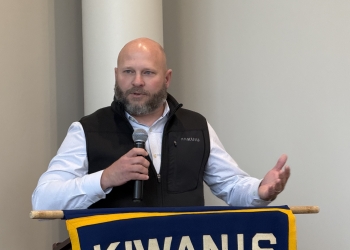
City Engineer Micah Siemers has directly addressed these allegations, emphasizing that all project discussions took place during public meetings and workshops prior to finalizing the ballot measures. “The claim that these are repeat projects is simply false,” Siemers stated during a recent presentation to the Kiwanis Club of Bartlesville.
This week’s Kiwanis Club session represents just one of several outreach efforts organized by the city. Officials have scheduled additional public information meetings for January 27 and February 3, both to be held at 6:30 p.m. in Meeting Room A of the Bartlesville Public Library. The city is also conducting targeted presentations to various community organizations to ensure broad public understanding of the proposals.
The controversy highlights the growing influence of social media in local politics and the challenges municipalities face in communicating complex funding mechanisms to residents. Misinformation spreading online about government initiatives has become increasingly common in communities across the country, prompting local officials to invest more resources in direct voter education.
General obligation bonds and sales tax initiatives represent crucial funding tools for Oklahoma municipalities. These financing mechanisms allow cities like Bartlesville to fund infrastructure improvements, economic development projects, and other capital investments without relying solely on annual operating budgets.
The February election comes at a time when many American cities are grappling with aging infrastructure and limited revenue streams. According to the American Society of Civil Engineers, infrastructure across the United States has consistently received near-failing grades, with an estimated funding gap of $2.59 trillion over the next decade.
For Bartlesville, a city of approximately 36,000 residents in northeastern Oklahoma, these funding decisions will have long-term implications for economic development, quality of life, and the community’s ability to attract and retain businesses and residents.
City officials emphasize that transparent communication with voters remains a priority. The multiple information sessions scheduled throughout January and early February aim to provide residents with detailed explanations of each proposed project, their estimated costs, and anticipated community benefits.
Voters interested in learning more about the specific proposals can attend the upcoming public meetings or access recorded presentations being made available through the city’s official channels. The city has also created informational materials outlining each project’s scope and purpose.
The February 10 special election represents a significant decision point for Bartlesville residents, who will ultimately determine whether these public funding initiatives move forward. City officials continue to encourage all eligible voters to become informed about the proposals and participate in the electoral process.
Fact Checker
Verify the accuracy of this article using The Disinformation Commission analysis and real-time sources.

8 Comments
Multiple public outreach sessions are a smart way to engage the community and ensure everyone has access to the details. Proactive communication is key for these types of elections.
It’s good to see the city officials being proactive in educating voters on the upcoming election projects. Transparency is crucial for building trust in the electoral process.
I agree, providing clear and accurate information is important, especially when dealing with important infrastructure and economic development initiatives.
While I have some questions about the specific project details, I’m encouraged to see the city taking a proactive approach to address concerns and misinformation. Civic engagement is vital.
The claims of project duplication seem concerning. I’m glad the city engineer was able to directly address those allegations and clarify that the proposals are new and distinct from previous bond measures.
Addressing misinformation head-on is the right approach. Voters deserve to have the facts before making decisions on these critical funding measures.
As a resident, I appreciate the city’s efforts to be transparent and provide accurate information. It’s important that voters are well-informed when it comes to the ballot initiatives.
Agreed. An informed electorate is crucial for the democratic process to function effectively at the local level.