


Listen to the article
In a powerful personal account shared on social media, leading colorectal cancer awareness advocate Dr. Charles R. Rogers revealed how his first colonoscopy at age 42 potentially saved him from facing the same devastating fate as his aunt.
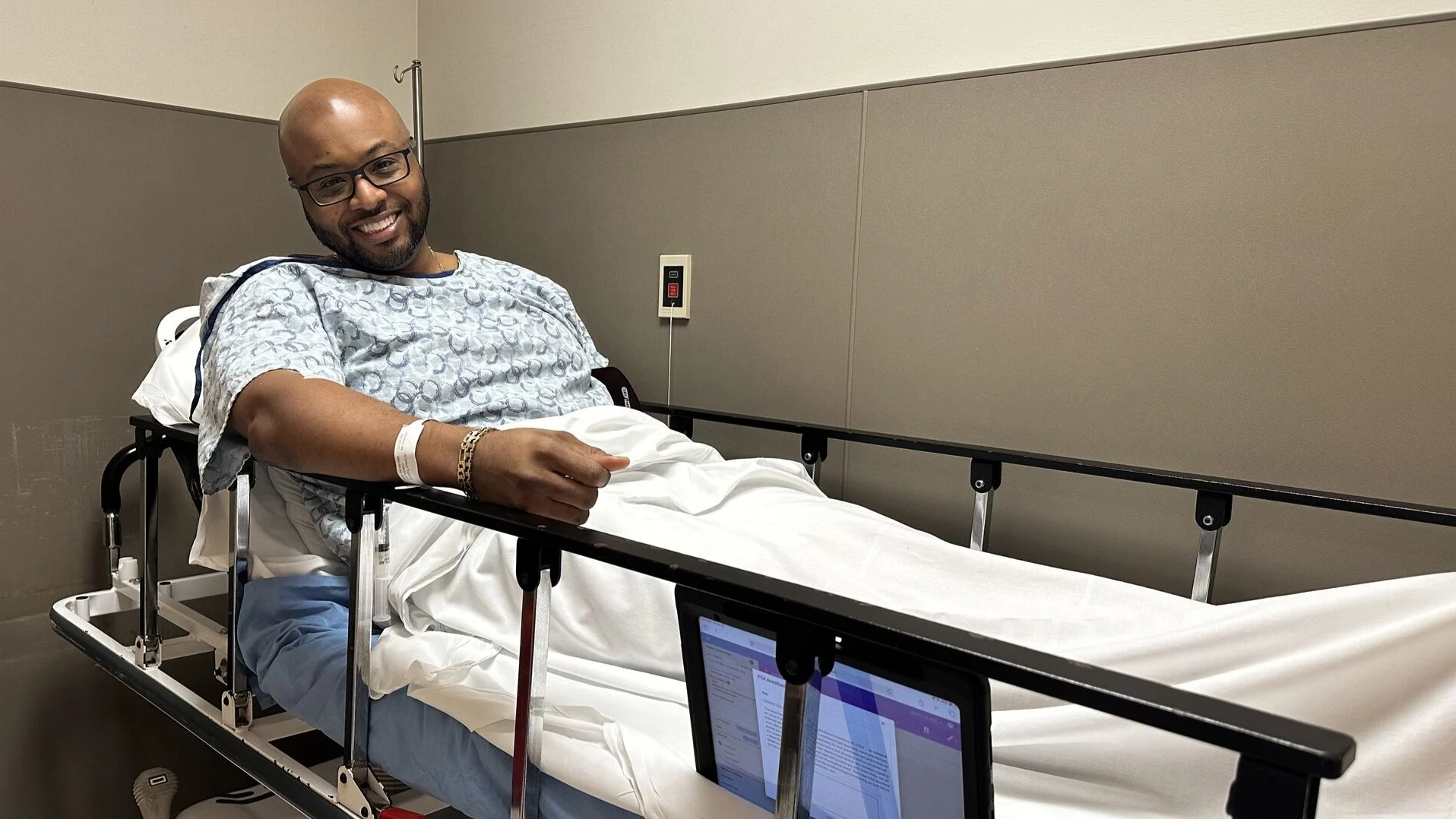
Dr. Rogers, Founder and President of the Colorectal Cancer Equity Foundation, underwent his first colonoscopy two days before his LinkedIn post. The procedure detected and removed two small, non-cancerous polyps that could have potentially developed into something more serious had he delayed screening.
“During my colonoscopy, my provider found two small polyps. They were removed easily. Not cancerous. If I had waited years longer instead of going now at age 42, because of my family history, the outcome could have been very different,” Rogers wrote.
His decision to undergo early screening was deeply personal. In 2009, Rogers’ Aunt Joann was repeatedly misdiagnosed by healthcare providers in North Carolina. By the time she received an accurate diagnosis at age 52, she had Stage 4 colorectal cancer. This devastating experience transformed Rogers’ life and career trajectory.
“‘They told her it was nothing. By the time they listened, it was Stage 4,'” Rogers recounted. “That loss changed my life forever.”
Since his aunt’s passing, Rogers has dedicated his professional life to increasing awareness about colorectal cancer – a disease he emphasizes is “preventable, treatable, and beatable with screening.” His advocacy work has taken him across the globe, from Kenya to Japan to Jamaica, as he works to dispel myths and encourage early detection.
In his post, Rogers also tackled one of the most common barriers to colonoscopy screening: fear of the preparation process. He shared his own experience with the preparation, noting that newer options are significantly more manageable than many people realize.
“Many people don’t know they can advocate for how they prep,” Rogers explained. He initially requested pill-based preparation (Sutab), though ultimately used Suprep due to timing issues with his pharmacy. Either way, he emphasized that modern prep options are far less daunting than commonly believed – requiring just 12 ounces of liquid rather than the gallon that many associate with colonoscopy preparation.
“Fear, misinformation, and outdated stories keep people away from life-saving care. Advocacy changes that,” Rogers wrote, directly addressing a significant public health challenge in colorectal cancer screening.
Colorectal cancer remains the third most common cancer diagnosed in both men and women in the United States, according to the American Cancer Society. Despite being highly treatable when detected early, screening rates lag behind those of other preventable cancers, with fear and misconceptions often cited as primary barriers.
Medical guidelines have recently shifted to recommend screening beginning at age 45 for average-risk individuals, down from the previous recommendation of age 50. However, those with family history, like Rogers, are often advised to begin screening earlier.
Rogers’ message culminated in a stark reminder of what’s at stake: “If I had waited to get screened, the next time I told this story, I might not be here to finish it.”
Public health experts note that personal stories from respected voices like Rogers can significantly impact screening behaviors. By sharing his experience in such candid terms, Rogers joins other public figures who have used their platforms to normalize and encourage potentially life-saving cancer screenings.
The Colorectal Cancer Equity Foundation, under Rogers’ leadership, continues to work toward eliminating disparities in colorectal cancer outcomes through education, advocacy, and improved access to screening.
Fact Checker
Verify the accuracy of this article using The Disinformation Commission analysis and real-time sources.

12 Comments
Sadly, too many people still face misdiagnosis and delayed treatment for this type of cancer. Dr. Rogers’ experience with his aunt is a sobering reminder of how critical it is to listen to patients and not dismiss their concerns.
Absolutely. Raising awareness and pushing for better access to screening and care can help save lives. We should all take this message to heart.
As someone with a close family member impacted by colorectal cancer, this story really hits home. I’m glad Dr. Rogers was able to catch his polyps early, and I hope his advocacy continues to drive positive change.
Kudos to Dr. Rogers for sharing his personal journey and using it to drive positive change. His advocacy could truly help save lives by empowering more people to get the screenings they need, despite any fears or misconceptions.
Powerful story from Dr. Rogers. Early screening saved his life – we need to raise awareness about the importance of timely colorectal cancer tests, especially for those with family history. Catching it early can make all the difference.
Dr. Rogers is doing important work to shine a light on this issue. Preventative care and early detection are key, but healthcare providers must also improve their ability to recognize symptoms and take them seriously.
Well said. Increased education and empathy from the medical community could go a long way in ensuring patients get the timely, life-saving care they need.
Heartbreaking to hear about Dr. Rogers’ aunt and her late-stage diagnosis. His story underscores why we must keep working to improve colorectal cancer awareness, screening, and timely treatment. Early detection can make all the difference.
Powerful stuff. Dr. Rogers’ experience with his own diagnosis and his aunt’s tragic story are a wake-up call. We must keep working to overcome the barriers to colorectal cancer screening and care, especially for high-risk populations.
Dr. Rogers is doing such important work. His story is a sobering reminder that fear and misinformation can have devastating consequences when it comes to life-saving healthcare. We need to keep pushing for better access and education.
Dr. Rogers’ story is a powerful reminder of the critical importance of early screening and detection, especially for those with family history. His advocacy work is so valuable in helping to save lives and improve outcomes.
Powerful testimony from Dr. Rogers. His personal experience illustrates the critical need for greater access to screening and early intervention, especially for high-risk individuals. This is an important wake-up call.