


Listen to the article
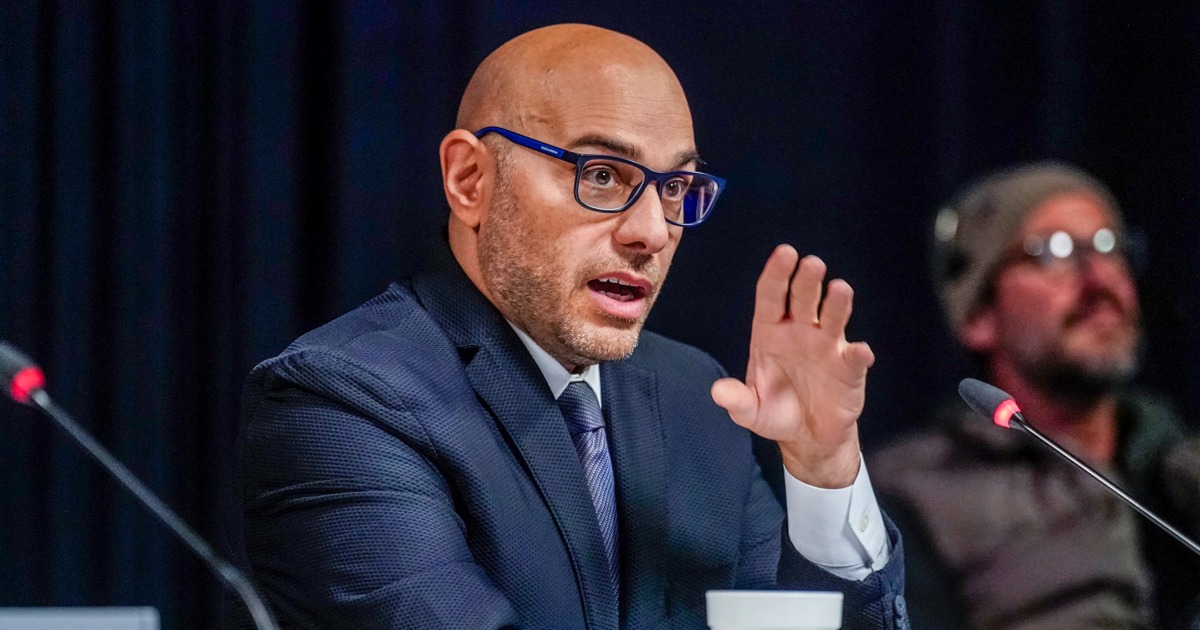
In an unprecedented move, an anti-vaccine lawyer with ties to Health Secretary Robert F. Kennedy Jr. addressed the Centers for Disease Control and Prevention’s vaccine advisory panel on Friday, signaling a dramatic shift for a committee long regarded as a trusted authority on immunization recommendations.
Aaron Siri, who has served as Kennedy’s personal attorney and regularly sued federal and state health agencies, delivered an extensive presentation questioning the safety and efficacy of routine childhood vaccines. He specifically targeted vaccines for hepatitis B, pneumococcal disease, and a combination shot for diphtheria, tetanus and pertussis (whooping cough).
During his presentation, Siri revived the thoroughly debunked claim connecting vaccines to autism, arguing there were no studies disproving the link. “If you’re going to say vaccines don’t cause autism, have the data to say it,” Siri stated.
This assertion contradicts decades of scientific consensus. Extensive research, including a large Danish study from July examining aluminum exposure from vaccines, has found no association between vaccines and autism or neurodevelopmental disorders. A comprehensive 2021 review of 138 studies specifically determined that MMR vaccines do not cause autism.
Siri also questioned the effectiveness of childhood vaccines in preventing disease transmission and criticized vaccine safety evaluation methods, claiming none were licensed based on placebo-controlled clinical trials.
Health experts quickly countered these claims. Dr. Jake Scott, an infectious diseases specialist at Stanford Medicine, called Siri’s statements “talking points, not facts,” noting his research team had documented 398 randomized control trials evaluating childhood vaccines using inert placebos like saline or sterile water.
The unusual presentation follows major changes to the Advisory Committee on Immunization Practices (ACIP), which Kennedy completely restructured in June. The Health Secretary dismissed all previous members over alleged “persistent conflicts of interest,” replacing them with individuals who have expressed skepticism toward vaccines.
Dr. Cody Meissner, the only current ACIP member who previously served on the committee, openly criticized Siri’s presentation during the meeting. “For you to come here and make these absolutely outrageous statements about safety, it’s a big disappointment to me and I don’t think you should have been invited,” Meissner said.
Earlier in the same session, the committee voted to roll back a long-standing recommendation that all newborns receive a first dose of the hepatitis B vaccine. The new guidance suggests women who test negative for hepatitis B can consult healthcare providers about whether their babies should receive the birth dose.
Art Caplan, head of the division of medical ethics at NYU Langone Medical Center, expressed concern about the panel’s direction, suggesting it is “trying to use a pre-committed ideology to get where they want to go, which is to get rid of childhood vaccination.”
Siri disclosed multiple conflicts of interest during Friday’s meeting, including ongoing lawsuits against the Department of Health and Human Services and its agencies over alleged COVID vaccine injuries and vaccine mandate exemptions. He has previously sued the CDC to compel it to produce studies demonstrating vaccines don’t cause autism.
According to Siri, he was asked to speak alongside prominent vaccine advocates Dr. Paul Offit and Dr. Peter Hotez. Hotez declined, stating that “ACIP appears to have shifted its mission away from science and evidence-based medicine.” Offit could not recall receiving an invitation but indicated he would not have attended regardless, having previously criticized the committee’s politicization.
The inclusion of an anti-vaccine attorney in a CDC advisory panel meeting represents a significant departure from established protocol for the committee, which has traditionally relied on scientific evidence and expert medical consensus when making public health recommendations affecting millions of American children.
Fact Checker
Verify the accuracy of this article using The Disinformation Commission analysis and real-time sources.

23 Comments
If AISC keeps dropping, this becomes investable for me.
The cost guidance is better than expected. If they deliver, the stock could rerate.
Uranium names keep pushing higher—supply still tight into 2026.
Nice to see insider buying—usually a good signal in this space.
Silver leverage is strong here; beta cuts both ways though.
Good point. Watching costs and grades closely.
Good point. Watching costs and grades closely.
Exploration results look promising, but permitting will be the key risk.
Silver leverage is strong here; beta cuts both ways though.
Good point. Watching costs and grades closely.
Good point. Watching costs and grades closely.
Nice to see insider buying—usually a good signal in this space.
Good point. Watching costs and grades closely.
Good point. Watching costs and grades closely.
Exploration results look promising, but permitting will be the key risk.
Exploration results look promising, but permitting will be the key risk.
Good point. Watching costs and grades closely.
Good point. Watching costs and grades closely.
Production mix shifting toward News might help margins if metals stay firm.
The cost guidance is better than expected. If they deliver, the stock could rerate.
Good point. Watching costs and grades closely.
Uranium names keep pushing higher—supply still tight into 2026.
Good point. Watching costs and grades closely.