


Listen to the article
Ferry Terminal Opposition Rooted in Misinformation, Alaska DOT Official Tells Lawmakers
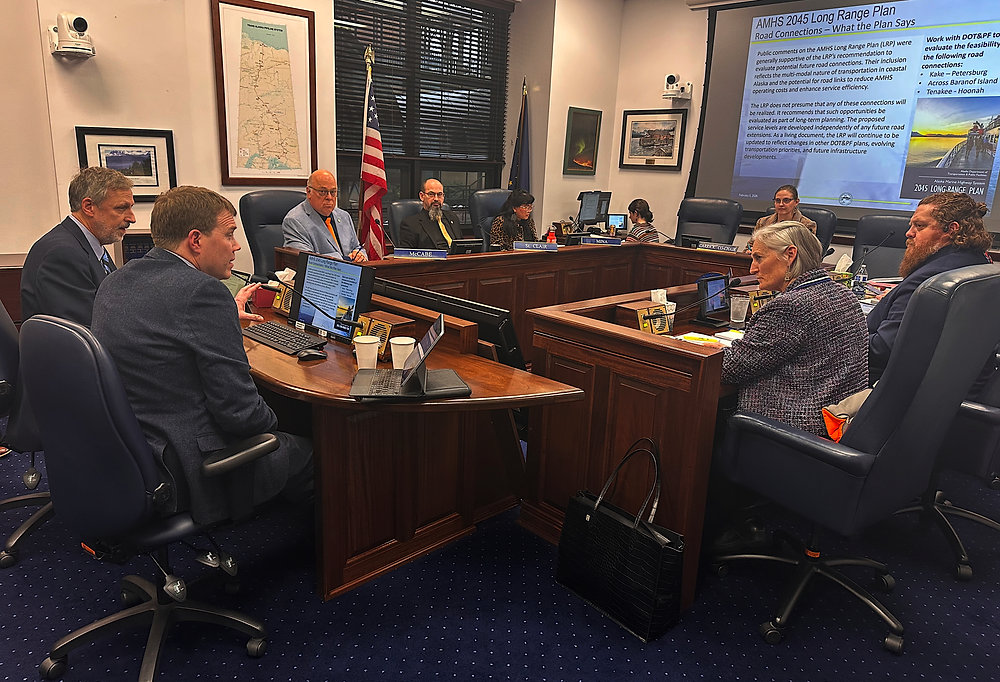
A significant portion of public opposition to the proposed Cascade Point ferry terminal may stem from misinformation and fear of the unknown, Alaska transportation officials told lawmakers in a recent legislative hearing. Despite overwhelming disapproval in public surveys, state officials remain committed to advancing the controversial project while addressing community concerns.
Regional Department of Transportation leaders acknowledged that 92% of the 622 respondents in a public survey expressed opposition to the proposed ferry terminal. Rather than viewing this as a roadblock, one DOT official stated, “I take that as a challenge to make it better for them.”
The Cascade Point project, located approximately 27 miles north of downtown Juneau, would establish a new Alaska Marine Highway System terminal, moving operations away from the current Auke Bay facility. Proponents argue the new location would reduce sailing times to northern communities by approximately two hours each way, improving efficiency and potentially reducing operational costs.
“Many residents have legitimate questions about how this will impact their daily commute, environmental considerations, and accessibility,” said a DOT representative during testimony. “We’ve found that some opposition is based on misconceptions about the project’s scope or incomplete information about mitigation measures we’re planning to implement.”
Among the primary concerns raised by residents are increased drive times for Juneau locals, potential environmental impacts on Lynn Canal, winter road conditions affecting reliability, and infrastructure adequacy. Transportation officials stressed that these concerns are being factored into ongoing planning and design work.
The department outlined several modifications being considered in response to public feedback, including enhanced road maintenance agreements with the city, expanded parking facilities, and additional environmental safeguards beyond minimum requirements.
“This isn’t about dismissing public opinion,” a DOT spokesperson emphasized. “It’s about ensuring decisions are made with complete and accurate information. We believe many concerns can be addressed through continued dialogue and project refinements.”
Regional economic development officials have voiced support for the project, citing potential benefits for freight transport, tourism opportunities, and improved connectivity to northern communities including Haines and Skagway. They argue that the terminal relocation could help the ferry system operate more sustainably amid ongoing budget constraints.
The Cascade Point proposal remains in the preliminary planning phases, with environmental reviews and permitting processes still underway. Transportation officials indicated they plan to host additional public information sessions in the coming months to address misinformation and provide updated project details.
The controversy highlights ongoing tensions surrounding Alaska’s marine highway system, which has faced significant funding challenges and service reductions in recent years. For many coastal communities, reliable ferry service represents an essential transportation lifeline rather than a luxury.
“We understand this terminal represents significant change,” said the DOT official. “But we believe that once residents understand the full picture and see the mitigations we’re implementing, many current opponents may reconsider their position.”
Lawmakers urged transportation officials to maintain transparent communication with affected communities as the project develops and to genuinely incorporate public feedback into final plans rather than merely addressing perceived misinformation.
The department expects to present updated project timelines and cost estimates at the next legislative transportation committee meeting, following the completion of ongoing technical studies and public engagement efforts.
Fact Checker
Verify the accuracy of this article using The Disinformation Commission analysis and real-time sources.

9 Comments
While efficiency gains are valuable, the DOT should be wary of dismissing the high level of public opposition as simply being rooted in misinformation. There may be valid issues they need to address.
This seems like a textbook case of the need for extensive community engagement and a collaborative planning process. The DOT would be wise to heed the public’s concerns rather than forge ahead.
I’m curious to learn more about the specific misinformation and fears that are driving opposition to this project. Fact-based public education could go a long way in addressing community concerns.
Agreed, transparency and clear communication from the DOT will be key to overcoming misinformation and gaining buy-in from the local community.
Improving transportation infrastructure is important, but not at the expense of ignoring legitimate community concerns. The DOT needs to strike a careful balance here.
Improving the Alaska Marine Highway System is a worthy goal, but the DOT must be responsive to the community’s fears and questions. Transparent communication and a genuine effort to address local needs could go a long way.
This is a complex issue with valid concerns on both sides. I hope the DOT can address the community’s fears and misconceptions through transparent communication and a thoughtful planning process.
Reducing sailing times and operational costs for the Alaska Marine Highway System is an admirable goal, but the high level of public opposition suggests the DOT needs to do more to understand and address local concerns.
You’re right, the DOT should prioritize open dialogue with the community to build trust and find a solution that balances efficiency and local needs.