


Listen to the article
mRNA Cancer Vaccines Show Promise Amid Wave of Misinformation
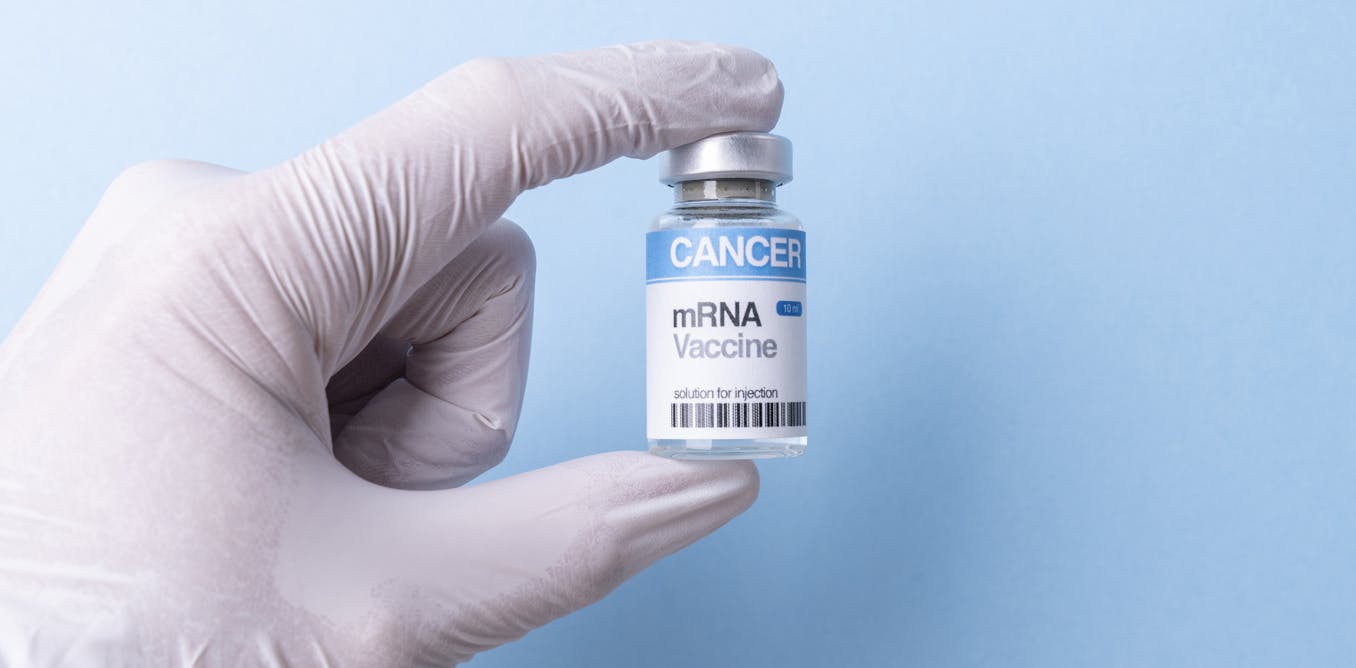
Scientists are making rapid progress toward a long-awaited goal that could help reshape cancer care: mRNA cancer vaccines with the potential to significantly boost the immune system’s ability to fight and eliminate tumors.
Since the early 2000s, researchers have conducted more than 120 promising clinical trials testing mRNA vaccines to treat multiple cancer types, including melanoma, brain cancer, breast cancer, lung cancer, and prostate cancer. These advances represent a potential breakthrough in treatment options for patients facing difficult-to-treat malignancies.
Yet as this scientific progress accelerates, a concerning trend has emerged. Misinformation about so-called “turbo cancer” began spreading widely on social media in late 2022, with claims falsely asserting that COVID-19 mRNA vaccines cause unusually aggressive cancers. This misinformation threatens to undermine public confidence in what could become an important tool in cancer prevention and treatment.
“The body of evidence supporting mRNA vaccines as a way to transform how we harness the immune system to treat cancer is growing,” explains Dr. Megan Houghton, oncologist and researcher at Memorial Sloan Kettering Cancer Center. “However, even the most promising medical advances can only improve health if people are willing to use them.”
How mRNA Cancer Vaccines Work
While many people first encountered mRNA technology through COVID-19 vaccines, scientists have been studying it for decades. These vaccines deliver instructions that prompt the body’s cells to make specific proteins, teaching the immune system to recognize and attack those proteins. In cancer research, scientists design highly targeted vaccines that train the immune system to find tumor cells and kill them without harming healthy cells.
One striking example comes from research on glioblastoma, an aggressive brain tumor with few effective treatments. Recent studies show that personalized mRNA vaccines can rapidly activate patients’ immune systems against this type of brain cancer and improve survival rates.
Dr. Catherine Liu, an immunologist at the University of California, San Francisco, notes: “What makes these vaccines so revolutionary is their ability to be tailored to each patient’s unique tumor profile, essentially creating a personalized treatment that targets specific cancer markers.”
The “Turbo Cancer” Misinformation Campaign
“Turbo cancer” is a term frequently used by anti-vaccine advocates claiming—without credible evidence—that COVID-19 mRNA vaccines cause unusually aggressive cancers. This inaccurate narrative has gained traction in some circles and occasionally appeared in mainstream news.
In September 2025, a controversial UK cardiologist claimed that COVID-19 vaccines contributed to the royal family’s cancer diagnoses, spurring immediate backlash from the medical community. Though uncommon, some public figures and health professionals have promoted claims that vaccines cause cancer, often by misinterpreting or misrepresenting research studies.
Health misinformation spreads through compelling anecdotes, misinterpretations of animal studies, misuse of adverse events reporting, and recycled myths about vaccines altering human DNA. Some posts link rising cancer rates in younger adults to COVID-19 vaccination, despite large population studies finding no increased cancer risk following vaccination.
“None of these turbo cancer claims are supported by credible evidence,” states Dr. Robert Wachter, chair of the Department of Medicine at UCSF. “But on social media, repetition, personal stories, and scientific-sounding language can make misinformation appear legitimate and help it spread quickly.”
Real-World Consequences of Misinformation
What might seem like fringe claims can have serious real-world consequences. Inaccurate information about cancer treatment is common online and research shows it influences patient decisions. When patients rely on unproven approaches instead of recommended therapies, their risk of death can increase substantially.
Clinicians are already experiencing the effects of misinformation in routine care. Many oncologists report needing to address myths or misleading information that patients have encountered online, though researchers have not yet quantified how common these conversations are across cancer care.
“I spend at least 10 minutes of almost every new patient consultation addressing misconceptions they’ve read online,” says Dr. Sarah Chen, a medical oncologist at Dana-Farber Cancer Institute. “That’s time that could be spent discussing their actual treatment options.”
Balancing Scientific Progress with Public Understanding
mRNA technology is entering a pivotal phase in its development. Scientific progress is accelerating, but public understanding hasn’t kept pace. Repeated exposure to misleading claims can erode trust in mRNA technology over time, potentially leading some patients to decline potentially life-saving mRNA therapies in the future.
Research consistently shows that proactive, transparent communication can counter misinformation, but trust, once lost, is difficult to rebuild. Medical innovations can save lives only if communication keeps pace with scientific advancement.
“Ensuring the public can evaluate medical innovations like mRNA cancer vaccines based on evidence, rather than viral misinformation, is just as important as the scientific challenge itself,” notes Dr. James Wilson, director of the Vaccine Education Center at Children’s Hospital of Philadelphia. “The future of cancer care depends not just on scientific discovery, but on public understanding and trust.”
As mRNA cancer vaccines continue to show promise in clinical trials, the medical community faces the dual challenge of advancing the science while effectively communicating its benefits and limitations to a public increasingly exposed to misinformation.
Fact Checker
Verify the accuracy of this article using The Disinformation Commission analysis and real-time sources.

10 Comments
Exciting developments in mRNA cancer vaccines, though the spread of misinformation about them is concerning. We need to ensure the public has accurate, science-based information to make informed decisions about these promising treatments.
Absolutely, misinformation can be very damaging, especially around sensitive health topics. Fact-based education will be crucial to building trust and acceptance for these potentially life-saving therapies.
As someone with a family member who battled cancer, I’m really encouraged by the progress being made with mRNA vaccines. Anything that can improve treatment options and outcomes is incredibly important.
I’m sorry to hear about your family member. Cancer is such a difficult disease, so advancements like these mRNA vaccines offer real hope. Wishing your family all the best.
This is really exciting progress, but the article rightly highlights the challenge of misinformation. Rigorous clinical trials and strong regulatory oversight will be essential to ensure the safety and efficacy of mRNA cancer vaccines.
Absolutely. We can’t afford to let unfounded conspiracy theories undermine confidence in potentially life-saving medical breakthroughs. Robust data and transparent communication will be crucial.
While the science behind mRNA cancer vaccines is promising, the spread of misinformation is a major concern. We need robust public health education campaigns to counter false claims and build confidence in these emerging therapies.
Agreed. Maintaining public trust in science-based medicine is crucial, especially for innovative treatments like these. Clear, transparent communication from health authorities will be key.
As someone with a science background, I’m really intrigued by the potential of mRNA vaccines for cancer treatment and prevention. But the spread of misinformation is deeply concerning and could have serious public health consequences.
I share your concerns. Misinformation can be incredibly damaging, especially around sensitive medical issues. We need to ensure the public has access to reliable, fact-based information from trusted sources.