


Listen to the article
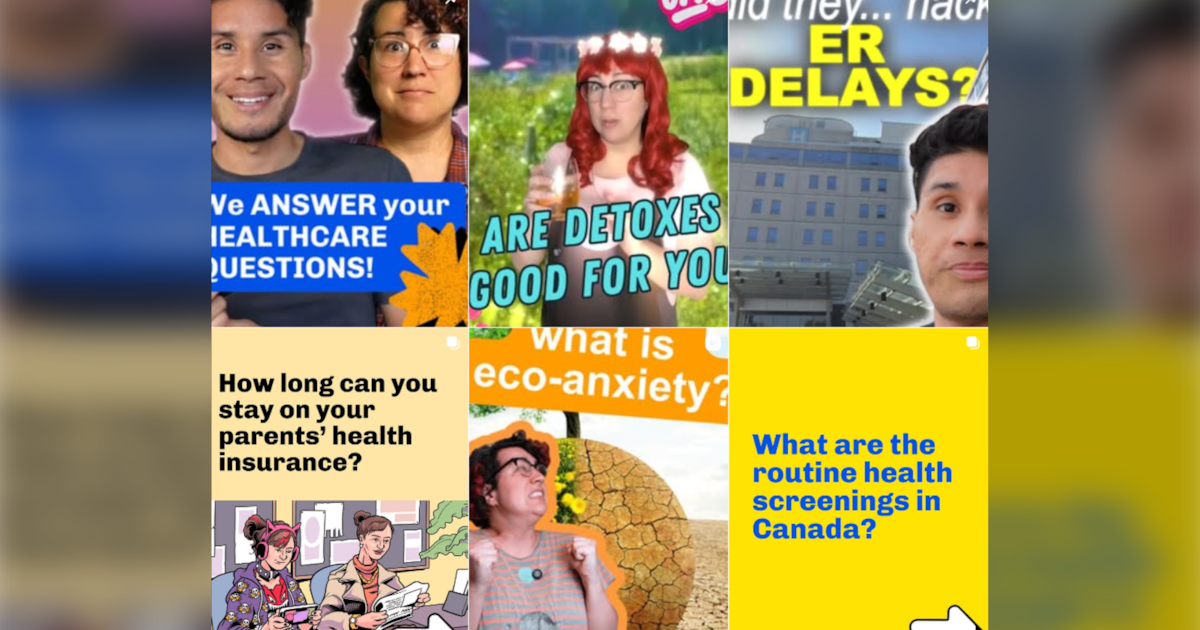
Canadian medical professionals are stepping into the digital arena, wielding memes and humor alongside scientific expertise to combat the growing tide of health misinformation online. This new approach represents a significant shift in how doctors communicate with the public in an era where misleading health claims can spread rapidly across social platforms.
Dr. Azza Sarfraz, a pediatrician at The Hospital for Sick Children in Toronto, has emerged as one of the leading voices in this digital health literacy movement. With over 100,000 followers across various platforms, Dr. Sarfraz creates content that blends medical facts with relatable humor, making complex health information accessible to broader audiences.
“There’s so much misinformation, and it’s really easy to get lost in that information,” Dr. Sarfraz explains. Her approach focuses on creating science-based content that can effectively compete with the often more engaging but potentially misleading health advice that proliferates online.
The strategy appears to be working. Many medical professionals are finding that adding elements of entertainment to educational content significantly increases engagement. Dr. Naheed Dosani, a palliative care physician and health equity advocate, notes that incorporating humor and contemporary references helps medical information reach audiences who might otherwise scroll past more traditional health messaging.
“When we combine the science with the lolz, that’s actually when we get the engagement that we need to combat the misinformation,” says Dr. Dosani, whose own social media presence has become an influential platform for health education.
This shift toward digital engagement comes at a critical time. A recent survey by the Canadian Medical Association revealed that 93 percent of physicians regularly encounter patients who have been exposed to medical misinformation. The problem intensified during the COVID-19 pandemic, which saw an unprecedented surge in health-related falsehoods spreading online.
The digital health literacy movement isn’t limited to individual practitioners. Medical organizations are also adapting their communication strategies. The Ontario Medical Association has launched initiatives to support doctors in creating evidence-based content for social platforms, recognizing that traditional methods of health communication are no longer sufficient in the digital age.
Dr. Adam Kassam, past president of the OMA, emphasizes the importance of meeting people where they are. “If people are getting their information from TikTok and Instagram and other social media platforms, that’s where we need to be,” he states.
The approach is not without challenges. Medical professionals must carefully balance entertainment value with accurate information, all while navigating the complex ethics of medical advice on social platforms. Many doctors emphasize that their online content is meant to provide general information and education, not to replace personalized medical consultations.
Time constraints present another obstacle. Creating engaging digital content requires considerable effort on top of already demanding clinical schedules. Dr. Sarfraz notes that she dedicates significant personal time to developing her online presence, often working on content after completing hospital shifts.
Despite these challenges, many healthcare providers see their digital advocacy as an essential extension of their professional responsibilities. Dr. Blair Bigham, an emergency physician and medical journalist, views combating misinformation as a vital public health intervention.
“The future of medicine isn’t just in the clinic or hospital,” Dr. Bigham explains. “It’s also online, where we need to ensure that evidence-based information reaches people before misinformation does.”
The impact extends beyond individual patient education. These digital efforts are helping to humanize healthcare professionals, potentially rebuilding trust in medical expertise that has been eroded in some communities. By sharing both scientific knowledge and glimpses of their personalities, doctors are forging more relatable connections with the public.
As this movement continues to evolve, medical schools are beginning to incorporate digital communication skills into their curricula, recognizing that the ability to effectively communicate health information online is becoming an essential competency for the next generation of healthcare providers.
For doctors like Sarfraz, the motivation remains clear: ensuring that accurate health information is not just available but actually reaches those who need it most. “If we’re not part of the conversation,” she says, “the conversation will happen without us.”
Fact Checker
Verify the accuracy of this article using The Disinformation Commission analysis and real-time sources.

9 Comments
While I appreciate the doctors’ efforts, I wonder how effective this will be at reaching the most vulnerable populations who may already be skeptical of mainstream medicine. Targeted outreach and building trust will be critical.
That’s a fair point. Overcoming deep-seated distrust in certain communities will require a nuanced approach. Doctors need to listen, understand concerns, and find ways to meaningfully engage skeptical groups.
Interesting to see doctors using social media to combat health misinformation. It’s a smart strategy to meet people where they are and present factual info in an engaging way. Humor and relatability can go a long way in cutting through the noise online.
Agreed, doctors need to adapt to the digital landscape to effectively reach the public. Leveraging social platforms and creative content is key to combating the spread of misleading health claims.
Kudos to these Canadian doctors for stepping up. Health misinformation is a growing problem that demands a multi-pronged response. Using social media to spread science-based guidance is a smart move, but it’ll take sustained effort to make a real impact.
This initiative highlights the importance of doctors being active participants in online discourse. Their expertise and credibility are crucial in cutting through the noise. I hope this trend continues to gain traction, especially as misinformation remains a persistent challenge.
It’s great to see medical professionals embracing digital tools to educate the public. Presenting complex health info in an accessible, relatable way is key. Hopefully this approach can help counter the tide of misinformation and improve overall health literacy.
This is an important initiative. With so much medical misinformation circulating, having trusted voices from the medical community actively participating in online discourse is crucial. I hope this approach continues to gain momentum.
Me too. Doctors lending their expertise in an accessible way could make a real difference in improving public health literacy. Social media can be a powerful tool when used responsibly.