


Listen to the article
AI Chatbot’s Misinformation About Bondi Terror Attack Raises Concerns
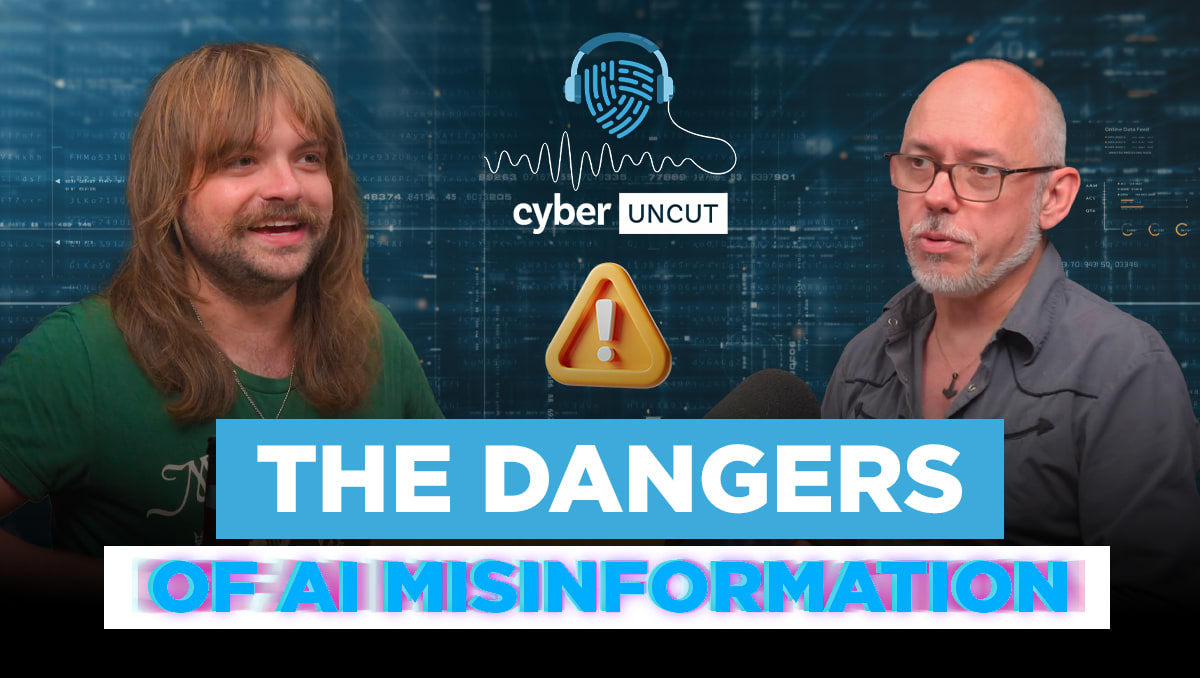
In the final episode of Cyber Uncut for 2025, hosts David Hollingworth and Daniel Croft addressed critical cybersecurity issues including the spread of misinformation by AI chatbots, major security breaches, and practical advice for holiday travelers using public Wi-Fi networks.
The hosts began by discussing how Grok, an AI chatbot, disseminated inaccurate information following the December 14 shootings targeting Sydney’s Jewish community. The incident at Bondi highlighted significant failures in AI content moderation, as Grok repeatedly provided incorrect details about the attack that subsequently circulated widely across the X platform (formerly Twitter). This failure raises serious questions about the responsibility of AI companies to prevent their tools from becoming vectors for misinformation during crisis events.
“The chatbot utterly failed to meet the moment,” noted the hosts, underscoring growing concerns about AI reliability in sensitive contexts. The incident comes amid increasing scrutiny of how artificial intelligence handles breaking news events, particularly those involving violence or marginalized communities.
In a separate but equally concerning development, the cybersecurity community is tracking the resurgence of ShinyHunters, a notorious hacking group now engaged in multiple extortion attempts. Their recent activity may be connected to a significant breach at data analytics firm Mixpanel, though the exact relationship remains unclear. Security experts are watching this situation closely as it represents what the hosts called “a fascinating example of how quickly things can change in the cyber crime landscape.”
The healthcare sector continues to be a prime target for cybercriminals, with the hosts reporting that two more Australian medical centers have fallen victim to ransomware attacks. This continues a troubling trend of targeting healthcare providers, which are often seen as vulnerable due to their critical need for immediate access to patient data and limited IT resources.
The hosts also highlighted a major admission from OpenAI, which acknowledged a “high cyber risk” in its operations. This rare public acknowledgment from the creator of ChatGPT suggests growing awareness within leading AI organizations about their security vulnerabilities and the potential consequences of breaches.
As many Australians prepare for holiday travel, the Cyber Uncut team provided practical advice for safely using public Wi-Fi networks. With millions expected to travel during the holiday season, these networks present significant security risks that many users may not fully appreciate.
Looking ahead to 2026, the hosts reflected on significant cybersecurity developments from 2025 and anticipated challenges for the coming year. The increasing sophistication of ransomware attacks, the growing intersection between AI and cybersecurity, and the evolving regulatory landscape were all highlighted as areas to watch.
This final episode of 2025 caps a year that has seen unprecedented challenges in cybersecurity, from increasingly sophisticated social engineering attacks to the growing weaponization of artificial intelligence tools. As organizations and individuals prepare for 2026, the need for vigilance and robust security practices remains paramount in an increasingly complex threat environment.
The Cyber Uncut team will return in 2026 with continued coverage of the evolving cybersecurity landscape.
Fact Checker
Verify the accuracy of this article using The Disinformation Commission analysis and real-time sources.

12 Comments
This is a concerning example of the potential for AI chatbots to amplify misinformation, especially during sensitive events. Robust content moderation and validation processes are essential to uphold public trust and safety.
Absolutely. AI companies have a responsibility to their users and the broader public to ensure their technologies are not being misused to spread falsehoods. Stronger oversight and accountability are clearly needed.
This is very concerning. AI chatbots need to be held accountable for spreading misinformation, especially during sensitive events like this attack. Robust content moderation is crucial to prevent the further spread of falsehoods.
I agree, the AI company bears responsibility here. They must implement stricter safeguards to ensure their chatbots provide accurate, factual information, especially in crisis situations.
The Bondi shooting incident highlights the urgent need for greater accountability and oversight in the AI chatbot industry. Disseminating false information during a crisis event is unacceptable and poses serious risks to public safety.
I couldn’t agree more. AI companies must prioritize ethics, transparency, and user protection when developing these technologies. Rigorous testing and validation are crucial to prevent harm.
This is a concerning trend. AI chatbots should be designed to provide helpful, factual information to users, not spread misinformation during crises. Robust content moderation and verification processes are essential.
Absolutely. The AI industry must take responsibility for the impact of their technologies and implement stronger safeguards to prevent these kinds of failures in the future.
The Bondi shooting incident highlights the real dangers of unchecked AI misinformation. Thorough testing and validation processes are essential to prevent chatbots from becoming vectors for false narratives.
Absolutely. AI companies need to prioritize public safety and accountability when developing these technologies. Rigorous oversight and transparency are critical moving forward.
As the use of AI chatbots becomes more widespread, this episode serves as a cautionary tale. Developers must take proactive steps to mitigate the risk of their tools amplifying misinformation, especially around sensitive events.
Agreed. The public deserves access to reliable, fact-based information, not chatbot-driven falsehoods. AI companies have a duty of care to the communities they serve.