


Listen to the article
The digital savvy shown by minority teenagers in spotting online falsehoods offers a surprising counternarrative to typical assumptions about the digital divide, according to groundbreaking research from the University of California, Riverside.
Black and Latino teens display greater skill at identifying online misinformation than their White counterparts, particularly when evaluating content related to race and ethnicity, researchers found. This digital literacy advantage emerges from lived experience rather than formal education.
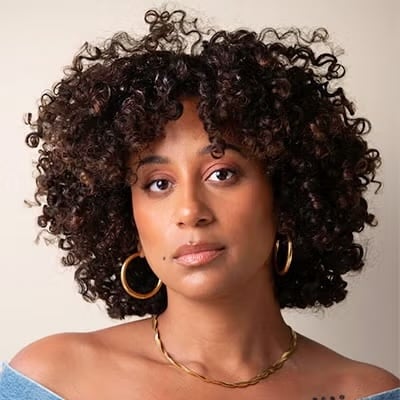
The study, published in the journal New Media & Society, was led by Dr. Avriel Epps, an assistant professor in UC Riverside’s School of Education. Working with colleagues from the University of Southern California, California State University, Northridge, and Rutgers University, Dr. Epps designed a week-long monitoring study tracking how adolescents from different racial backgrounds interact with race-related content online.
“This work reveals that adolescents of color are already engaging in sophisticated forms of digital literacy,” said Dr. Epps. “They have developed these critical skills in many cases from their lived experiences navigating online racism, not necessarily from school-based instruction.”
The researchers observed that Black and Latino participants demonstrated advanced information verification strategies. These teens were significantly more adept at identifying false claims and propaganda, and more likely to verify questionable posts by consulting credible sources.
Beyond passive identification, the study revealed these teens actively countered misinformation through their own digital content creation. When encountering racist or misleading posts, they frequently responded by crafting their own social media posts and sharing articles from reputable sources that provided accurate information.
In contrast, White teenagers in the study showed less inclination to question or verify race-related content they encountered online. This pattern suggests that personal experience with racism may sharpen critical evaluation skills that formal education has yet to adequately address.
The findings challenge conventional educational approaches to digital literacy, which often treat all students as having similar backgrounds and experiences online. Dr. Epps argues that these results highlight the importance of culturally responsive teaching methods.
“The main takeaway for educators is that making your lessons culturally relevant matters regardless of what you’re teaching,” she emphasized. “Culturally responsive pedagogy matters in math. It matters in English and language arts. It matters for digital literacy and digital citizenship.”
The research comes at a critical time when misinformation and disinformation campaigns increasingly target racial divisions in American society. Social media platforms continue to grapple with how to address false information, while educators and parents seek effective ways to prepare young people to navigate an increasingly complex information landscape.
Dr. Epps brings a multidisciplinary approach to this research area. As a computational social scientist, she studies how bias in predictive technologies affects racial, gender, and sociopolitical identity development. Her academic background spans communication studies from UCLA, data science, and education with a concentration in human development from Harvard University.
The study contributes to a growing body of research suggesting that digital literacy skills develop not just through formal education but through lived experience navigating challenging online environments. For minority youth who regularly encounter racially charged content online, the ability to critically evaluate such material becomes an essential survival skill.
Education policy experts suggest these findings should inform how digital literacy is taught in schools. Rather than assuming all students start from the same baseline understanding, educators might better recognize and build upon the sophisticated evaluation skills that many minority students have already developed.
As social media platforms continue to shape public discourse and information consumption patterns, understanding how different demographic groups interact with potentially misleading content becomes increasingly important for building resilient digital communities and informed citizens.
Fact Checker
Verify the accuracy of this article using The Disinformation Commission analysis and real-time sources.

10 Comments
This research highlights the importance of diverse perspectives and lived experiences in navigating the digital landscape. It’s a good reminder that we shouldn’t make assumptions about people’s digital competence based on demographic factors alone.
Agreed. Fostering digital literacy requires acknowledging and empowering the unique strengths that people from different backgrounds can bring to the table.
This is an interesting and unexpected finding. It’s great to see that minority teens are developing strong digital literacy skills, especially when it comes to identifying racial misinformation online. Their lived experiences seem to give them an advantage in this area.
Yes, it’s encouraging to see that young people from marginalized backgrounds are adept at navigating online content and discerning fact from fiction, especially on issues of race and ethnicity.
While the findings are encouraging, I wonder if the digital literacy advantage demonstrated by minority teens extends beyond race-related content. It would be interesting to see how their skills compare across a wider range of online information and misinformation.
That’s a valid point. Examining their competence in identifying misinformation on other topics could provide a more comprehensive understanding of their digital literacy abilities.
I’m curious to learn more about the specific strategies and heuristics that Black and Latino teens use to identify online racial misinformation. Understanding their decision-making process could provide valuable insights for digital literacy education programs.
That’s a great point. Delving deeper into the cognitive and experiential factors that contribute to their misinformation detection skills could inform more inclusive and effective approaches to digital media education.
The study’s conclusion that minority teens’ digital literacy stems from their lived experiences, rather than formal education, is quite insightful. It highlights the importance of acknowledging and empowering the unique perspectives and critical thinking skills that underrepresented groups can bring to the table.
Absolutely. This research challenges the common assumption of a ‘digital divide’ and shows that marginalized youth can be more digitally savvy than their peers in certain contexts. It’s an important counternarrative that deserves more attention.