


Listen to the article
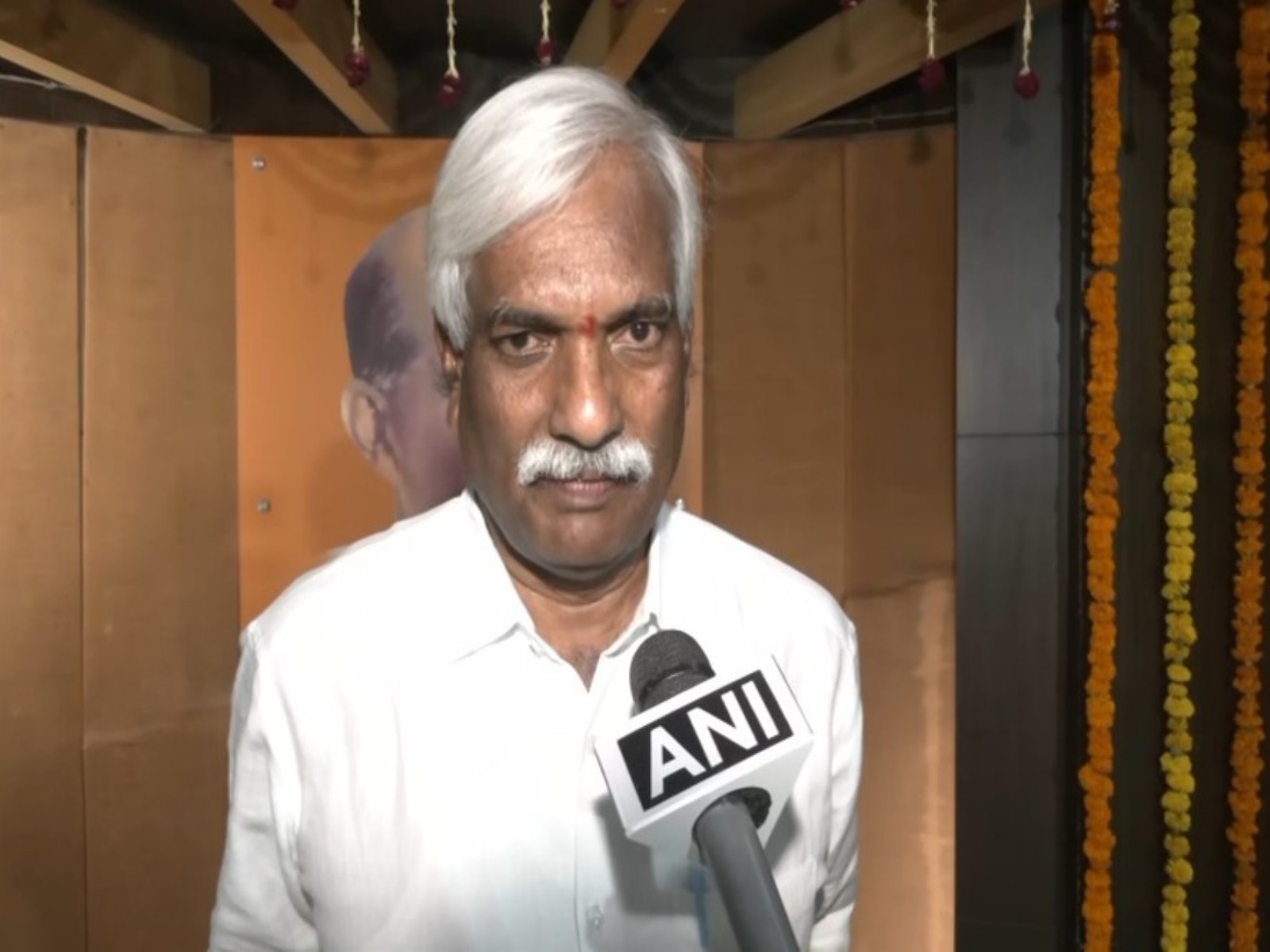
BJP leader Prakash Reddy has criticized the Congress Party for allegedly creating panic about LPG shortages in India, describing such claims as “false propaganda” amid global energy supply challenges stemming from the ongoing conflict in West Asia.
Speaking to ANI on Saturday, Reddy emphasized that the supply chain disruptions primarily affect commercial gas rather than domestic supplies. He credited Prime Minister Narendra Modi’s diplomatic efforts with ensuring that several LPG shipments have successfully navigated through the strategically crucial Strait of Hormuz.
“With the efforts of Prime Minister Narendra Modi, a few ships have already crossed the Hormuz line, and another two or three ships are also crossing today or tomorrow. They will reach India within a couple of days,” Reddy stated, urging citizens not to panic over alleged shortages.
The comments come as global energy markets face increasing pressure due to geopolitical tensions in West Asia, a region critical to India’s energy security. The Strait of Hormuz serves as a vital maritime chokepoint through which approximately 20 percent of the world’s oil supply passes, making any disruption there particularly consequential for energy-dependent economies like India.
In response to these challenges, the Ministry of Petroleum and Natural Gas announced on Saturday that the central government has increased gas allocations to states to 50 percent of pre-crisis levels. An additional 20 percent supply increase will be implemented starting March 23, according to a letter sent by Petroleum Secretary Neeraj Mittal to all State and Union Territory Chief Secretaries.
This enhanced allocation is specifically designed to support key sectors linked to food supply and public welfare, reflecting the government’s prioritization of essential services during the supply disruption. The ministry’s strategic approach aims to mitigate potential impacts on daily life and critical industries dependent on regular LPG supplies.
Official data suggests that panic booking of LPG cylinders has already begun to subside, with Thursday’s figures showing approximately 55 lakh bookings nationwide—a significant decrease from earlier in the week when rumors of shortages first began circulating on social media and through word of mouth.
The government conducted an inter-ministerial briefing to provide updates on the current situation regarding the availability of essential commodities, particularly fuel and gas. Officials used this platform to reassure citizens about supply stability despite the ongoing geopolitical tensions affecting global energy markets.
India, which imports more than 85 percent of its crude oil requirements and a significant portion of its LPG needs, remains particularly vulnerable to global supply chain disruptions. The government has been working to diversify its energy sources in recent years, but immediate dependencies continue to necessitate diplomatic and logistical interventions during periods of international tension.
Energy security experts note that the current situation highlights India’s continuing need for strategic petroleum and gas reserves as buffers against supply shocks. While the immediate crisis appears to be under management, the episode underscores the delicate balance India must maintain in securing essential energy supplies amid an increasingly volatile global landscape.
The petroleum ministry has assured citizens that domestic LPG supply chains remain largely intact despite commercial sector disruptions, and has advised against hoarding or panic booking, which can exacerbate perceived shortages and strain distribution networks.
Fact Checker
Verify the accuracy of this article using The Disinformation Commission analysis and real-time sources.

10 Comments
Interesting to see the political tensions around energy supply disruptions. While global markets face challenges, it’s good to hear the government is working to ensure domestic LPG supplies remain stable.
Absolutely, maintaining energy security is critical, especially with the ongoing geopolitical tensions in the region. Diplomatic efforts to keep supply lines open are crucial.
It’s good to see the government taking proactive steps to address the LPG supply concerns. Avoiding panic and providing clear, factual information to the public is crucial during times of global market disruption.
Agreed. Transparent communication and pragmatic solutions are needed to navigate these complex energy challenges. Political point-scoring should take a backseat to ensuring energy security for all citizens.
Kudos to the BJP leader for emphasizing the government’s efforts to maintain LPG supplies despite the global pressures. Avoiding misinformation and panic is key, and the diplomatic outreach appears to be paying off.
Absolutely. Ensuring reliable energy access for households is critical, especially for the most vulnerable. The government’s proactive approach is commendable and should be the focus, not partisan bickering.
The Congress Party’s claims about LPG shortages seem to be overblown, based on the BJP leader’s comments. It’s important to avoid panic and rely on factual information from official sources during these supply chain disruptions.
Agreed. Political posturing shouldn’t take priority over providing accurate, transparent information to the public. Kudos to the government for working to ensure LPG supplies reach the people.
The Strait of Hormuz is a critical choke point for global energy markets. India’s efforts to navigate this challenge and ensure domestic energy security are commendable. Keeping politics out of this issue is important.
Definitely. Maintaining stable energy supplies should be a non-partisan priority, especially given India’s reliance on imports. Diplomatic solutions are key to weathering these geopolitical storms.