


Listen to the article
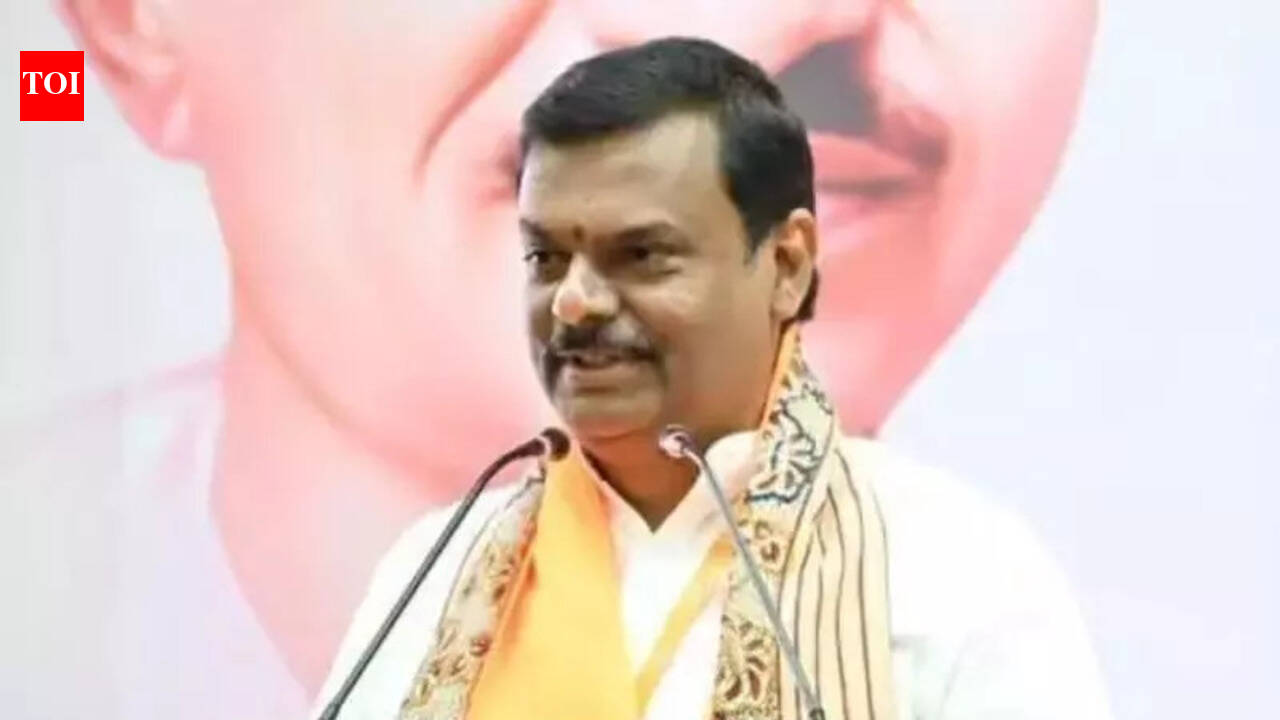
In a pointed address at a state-level workshop in Vijayawada, Andhra Pradesh BJP chief PVN Madhav has strongly rebutted claims made by opposition parties regarding the special intensive revision (SIR) of electoral rolls, describing their allegations as deliberate misinformation.
Madhav emphasized that the SIR process is a standard procedure conducted by the Election Commission of India (ECI) that has been in place for over two decades, dating back to 2002 when the Congress-led government was in power. The revision, he clarified, is not a new initiative introduced by either the BJP or the central government.
“Electoral roll revision is an ongoing process that happens annually to ensure voter lists remain accurate by adding new eligible voters and removing those who no longer qualify,” Madhav explained during Sunday’s workshop, which was organized specifically to educate party representatives about the SIR process.
The BJP state chief highlighted that technological advancements have significantly improved the transparency of the current revision exercise, particularly in identifying and removing ineligible voters from electoral rolls. This modernization effort aims to create more accurate voter lists ahead of upcoming elections.
Madhav referenced recent controversies during the Bihar elections, where opposition parties had raised concerns about the SIR process. He noted that despite Union Home Minister Amit Shah having already clarified these matters in Parliament, opposition groups continued to “create unnecessary confusion” over the issue.
According to Madhav, the SIR process has already been completed in four states across India, with plans to extend it to 22 additional states beginning April 1. He urged BJP leaders and workers throughout Andhra Pradesh to actively participate in ensuring the success of this electoral roll verification exercise.
The workshop served as an educational platform for district presidents, zonal in-charges, and state general secretaries who jointly appointed BLA-1 representatives. These appointees will play a crucial role in the electoral revision process over the next 90 days.
Uttar Pradesh MLA Shrikant Sharma, who attended as the chief guest, delivered a comprehensive PowerPoint presentation detailing the specifics of the SIR process. Sharma advised party workers to support genuine voters throughout the ECI-conducted exercise.
The workshop saw participation from several prominent BJP leaders, including BJP state convenor N Ramakrishna Reddy, minister Satya Kumar Yadav, MP D Purandeswari, Legislature party leader P Vishnu Kumar Raju, and Legislative council floor leader Somu Veerraju. Also present were MLC Pothula Sunitha and 20-Point Programme Implementation Committee chairman Lanka Dinakar, among others.
This defense of the SIR process comes at a time when electoral processes across India are under increased scrutiny. Opposition parties have frequently raised concerns about potential manipulation of voter lists, while the ruling BJP maintains that such revisions are standard administrative procedures designed to maintain electoral integrity.
Electoral roll revisions have become increasingly contentious in recent years, with opposition groups in several states claiming that legitimate voters are sometimes removed while questioning the timing of such exercises. The BJP’s coordinated effort to educate its cadres about the process suggests the party recognizes the political sensitivity surrounding voter list updates.
The ECI typically conducts these revisions to account for demographic changes including deaths, relocations, and newly eligible voters. However, the process has become more politically charged as margins in some electoral contests have narrowed, making voter rolls a point of contention between political parties.
Fact Checker
Verify the accuracy of this article using The Disinformation Commission analysis and real-time sources.

9 Comments
Glad to see the BJP acknowledging the longstanding nature of this electoral procedure, which predates their time in power. It’s important to separate fact from fiction when it comes to sensitive political issues like this.
Agreed. Accuracy and transparency in the electoral process should be a non-partisan priority.
The use of technology to improve voter roll management sounds like a positive step, but the details and implementation will be key. All sides should work together constructively to ensure a fair and inclusive process.
This debate highlights the importance of having clear, consistent, and non-partisan electoral policies that enjoy broad public trust. Addressing specific allegations through facts and evidence is better than trading accusations.
Accusations of ‘misinformation’ often get thrown around in political debates. It would be helpful to see concrete evidence and analysis from independent sources on the merits of this electoral roll revision process.
Maintaining accurate voter lists is a complex challenge, and reasonable people can disagree on the best approach. Constructive dialogue between all stakeholders is crucial to upholding democratic principles.
I’m curious to learn more about the specific technological advancements the BJP chief mentioned and how they are improving transparency. Modernization can be helpful, but it’s important to maintain robust safeguards.
Interesting to hear the BJP state chief’s perspective on the electoral roll revision process. Maintaining accurate voter lists is certainly important for the integrity of elections, but it’s crucial that the process is transparent and fair for all parties involved.
The BJP’s framing of this issue as a standard, long-running procedure seems reasonable, but the opposition’s concerns shouldn’t be dismissed outright. Transparency and non-partisanship must be the top priorities.