


Listen to the article
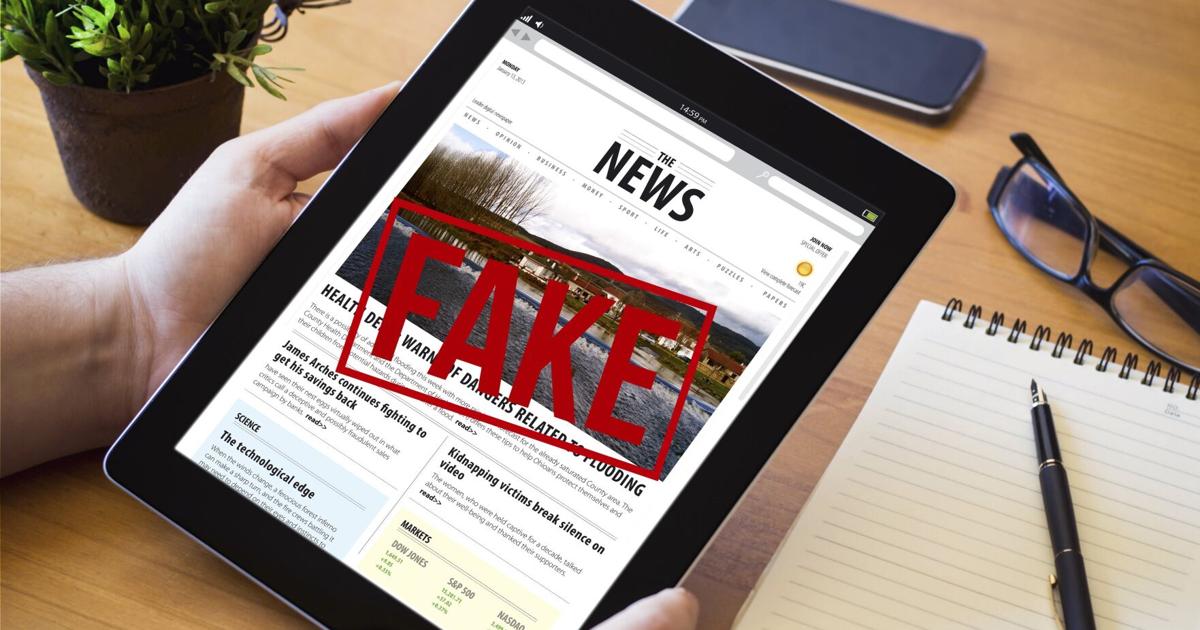
Health misinformation has found a new breeding ground: the workplace. As employers increasingly invest in wellness programs and health-related initiatives, they may unintentionally be creating channels for dubious health advice to flourish among their staff.
The problem stems from well-intentioned corporate wellness programs that lack proper vetting mechanisms for the health information they distribute. Companies eager to improve employee wellbeing are contracting with wellness vendors, hiring health coaches, and organizing lunch-and-learns—all without necessarily ensuring the scientific validity of the advice being shared.
Medical experts are raising concerns about this trend. While many workplace wellness initiatives provide valuable services like fitness opportunities and nutritional guidance, others promote questionable practices such as detox regimens, unnecessary supplements, or unproven medical theories. Without proper oversight, these programs can spread health misinformation that employees may trust simply because it comes with their company’s implicit endorsement.
“Employees naturally assume health information provided through their workplace has been vetted and is trustworthy,” explains Dr. Maria Gonzalez, a public health specialist who studies workplace wellness initiatives. “Unfortunately, that’s not always the case, and many companies lack the expertise to properly evaluate the health advice they’re facilitating.”
The stakes are particularly high given the current landscape of health misinformation. In the aftermath of the pandemic, distinguishing reliable health information from misleading claims has become increasingly difficult for many individuals. Social media platforms continue to amplify health misconceptions despite efforts to combat them, and now workplace programs may inadvertently be doing the same.
One particularly problematic area involves “wellness influencers” brought in to speak to employees. These individuals often have compelling personal stories and charismatic presentation styles but may lack proper medical credentials. They can promote extreme diets, questionable supplements, or oversimplified health solutions that contradict established medical science.
Corporate wellness programs represent a significant and growing industry, with the global market valued at approximately $61 billion in 2023 and projected to reach nearly $100 billion by 2030. As companies seek to differentiate their offerings and reduce healthcare costs, the temptation to embrace trending wellness concepts can sometimes override evidence-based approaches.
Healthcare professionals suggest several strategies for addressing this issue. Employers should establish clear standards for vetting health information, partner with credentialed medical professionals when designing wellness initiatives, and provide employees with resources to evaluate health claims critically.
“Companies need to apply the same due diligence to their wellness programs that they would to any other business investment,” says Patricia Winters, a corporate health policy consultant. “This means researching credentials, seeking evidence-based practices, and consulting with established medical experts rather than just following wellness trends.”
Some organizations are already implementing more rigorous approaches. Technology firm Clearwater Solutions recently revamped its wellness program after discovering that a contracted health coach was promoting pseudoscientific claims about vaccines and nutrition. The company now requires all health information to be reviewed by a medical advisory board before being shared with employees.
“We realized we had a responsibility to ensure the health information our employees received was scientifically sound,” explains Clearwater’s HR director, James Hoffman. “Our employees trust us, and we need to honor that trust by providing reliable information.”
For employees navigating workplace wellness offerings, experts recommend approaching company-provided health information with healthy skepticism. Looking for evidence-based recommendations, checking the credentials of wellness presenters, and consulting with personal healthcare providers before making significant health changes based on workplace programs are all prudent steps.
As the boundaries between work and personal life continue to blur, and as companies take a more active role in employee health, addressing workplace health misinformation will likely become an increasingly important challenge for both employers and healthcare advocates in the years ahead.
Fact Checker
Verify the accuracy of this article using The Disinformation Commission analysis and real-time sources.

19 Comments
I like the balance sheet here—less leverage than peers.
Good point. Watching costs and grades closely.
Silver leverage is strong here; beta cuts both ways though.
Good point. Watching costs and grades closely.
Exploration results look promising, but permitting will be the key risk.
Good point. Watching costs and grades closely.
Good point. Watching costs and grades closely.
If AISC keeps dropping, this becomes investable for me.
Uranium names keep pushing higher—supply still tight into 2026.
Good point. Watching costs and grades closely.
Exploration results look promising, but permitting will be the key risk.
Good point. Watching costs and grades closely.
If AISC keeps dropping, this becomes investable for me.
I like the balance sheet here—less leverage than peers.
Silver leverage is strong here; beta cuts both ways though.
Good point. Watching costs and grades closely.
I like the balance sheet here—less leverage than peers.
Good point. Watching costs and grades closely.
Uranium names keep pushing higher—supply still tight into 2026.