


Listen to the article
Digital Misinformation Fuels US-Israel-Iran Conflict as Online Battle Rages
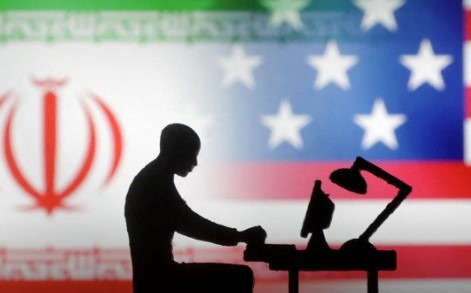
As military tensions escalate between the United States, Israel, and Iran, a parallel conflict is unfolding across social media platforms—one that security and communications experts describe as an “information war” with real-world consequences.
Digital analysts tracking content related to the conflict report an unprecedented surge in misleading posts, manipulated imagery, and recycled footage presented as current events. This torrent of misinformation often reaches millions of viewers before fact-checkers can intervene, creating distorted perceptions of battlefield realities.
“What we’re seeing is a perfect storm of viral misinformation,” says Dr. Maya Levine, a digital security analyst specializing in Middle East conflicts. “The combination of emotional content, sophisticated manipulation techniques, and algorithm-driven amplification creates an environment where falsehoods travel faster than facts.”
Much of the problematic content circulating online is either generated using artificial intelligence or repurposed from entirely different events, according to reports from multiple verification organizations. In numerous documented cases, footage from past military operations, unrelated disasters, or even video game footage has been relabeled and presented as fresh developments in the current conflict.
Social media influencers—particularly those with substantial follower bases—have emerged as pivotal figures in this digital battlespace. While some knowingly spread misinformation to advance political agendas, many others inadvertently share unverified content in the race to stay relevant and maintain engagement metrics.
“The economic incentives of social media platforms reward quick, emotional reactions rather than careful verification,” explains Thomas Berkley, a researcher at the Digital Policy Institute. “When an influencer with millions of followers shares misleading content, it creates a cascade effect that can reach tens of millions within hours, regardless of accuracy.”
The implications extend beyond simple confusion. Intelligence officials have noted that digital misinformation campaigns can influence diplomatic discourse, shape public opinion, and exacerbate political polarization—potentially impacting policy decisions during critical moments of the conflict.
Particularly concerning is the growing sophistication of AI-generated content. Recent advances in generative AI have produced videos and images so convincing that even experienced media professionals struggle to identify them as fabrications without specialized tools.
“Five years ago, most fake content contained obvious visual artifacts that made it relatively easy to spot,” notes Samira Al-Qadir, a digital forensics expert who monitors conflict-related media. “Today’s AI tools can produce footage that appears completely authentic to the untrained eye, and sometimes even to trained observers.”
The problem is compounded by the sheer volume of war-related content flooding social platforms. Major platforms report removing thousands of misleading posts daily, but their moderation systems—a combination of AI and human reviewers—struggle to keep pace with the volume and evolving tactics.
As casualties mount and military exchanges intensify across the region, media literacy experts emphasize that public awareness remains one of the strongest defenses against misinformation.
“We’re encouraging people to treat all breaking news with healthy skepticism, especially content that triggers strong emotional reactions,” says Ibrahim Mustafa of the Global Media Literacy Foundation. “Checking multiple sources, looking for reporting from established news organizations with ground presence, and being wary of perfect narratives that align too neatly with preexisting beliefs are crucial habits.”
Military strategists have long recognized that information can be as powerful as conventional weapons in modern conflicts. What’s changed is the democratization of information warfare—where anyone with a smartphone and internet connection can potentially become an influential voice in how global events are perceived.
As the regional conflict continues to evolve, the battle for truth online represents a critical front—one where the weapons are algorithms and viral content, and where influence can shape the course of events both online and on the ground.
Fact Checker
Verify the accuracy of this article using The Disinformation Commission analysis and real-time sources.

21 Comments
This is a concerning trend that highlights the urgent need for platforms and policymakers to address the systemic issues enabling the spread of misinformation.
Misinformation can be a powerful tool in shaping narratives and perceptions. Combating it requires a holistic approach involving tech, media, and the public.
Agreed. Fostering digital literacy and critical thinking skills is key to building societal resilience against manipulative content.
The scale and speed of misinformation spread is alarming. Platforms must prioritize content moderation and transparency to address this challenge.
This underscores the need for robust verification processes and fact-checking initiatives to combat the deluge of manipulated content.
This highlights the need for greater online transparency and accountability around content generation and amplification. Platforms have a responsibility to address these issues.
Absolutely. Platforms need robust policies and enforcement to limit the spread of manipulated media and false narratives.
Sophisticated misinformation tactics like AI-generated content are worrying. Vigilance and digital literacy are crucial to navigate this landscape.
This is a sobering reminder of the real-world consequences of online misinformation. Strengthening digital literacy is key to building resilience.
Absolutely. Teaching critical thinking skills to navigate the online information landscape is crucial.
The spread of false narratives and manipulated imagery can have real-world consequences. Strengthening fact-checking and media literacy is essential.
Well said. We must be discerning consumers of online content and prioritize authoritative and verified sources of information.
Emotional content and algorithmic amplification are a potent combination for misinformation. Fact-checking and media literacy are essential defenses.
Agreed. We need to be vigilant consumers of online information and question the sources and motives behind what we see.
The weaponization of digital information is a serious threat that requires a coordinated response from governments, tech companies, and the public.
Absolutely. Combating misinformation requires a multi-stakeholder approach to safeguard the integrity of online discourse.
While advanced tech like AI can enable sophisticated misinformation, it’s crucial that fact-checking and verification keep pace. Vigilance is required.
The weaponization of information is troubling, especially in high-stakes geopolitical conflicts. Combating misinformation will require a multi-pronged approach.
Agreed, a collaborative effort from governments, tech companies, and the public is needed to counter these information warfare tactics.
Interesting how digital misinformation can distort perceptions of actual events. Fact-checking and media literacy are crucial to cut through the noise.
You’re right, the rapid spread of misinformation is a major challenge. Verifying sources and information is key.