


Listen to the article
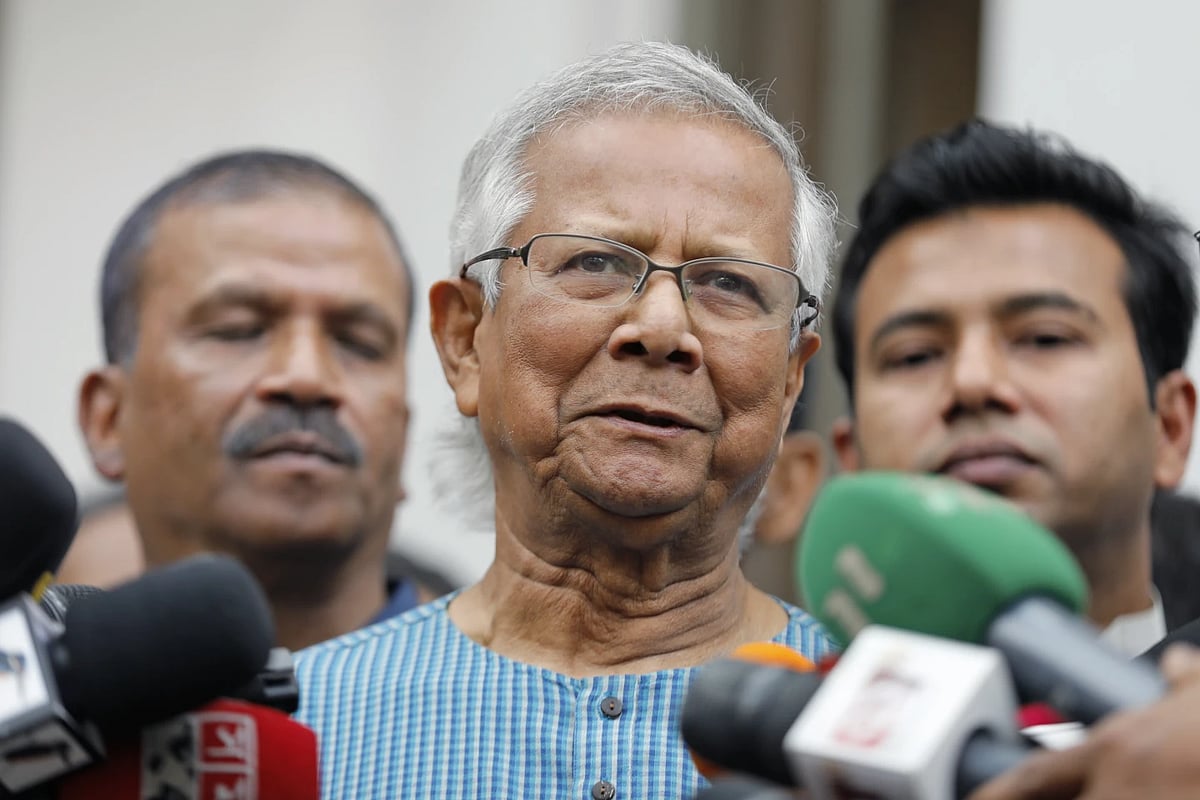
In a growing controversy surrounding Bangladesh’s electoral process, Nobel Peace Prize laureate Muhammad Yunus has raised serious concerns about the spread of disinformation on social media platforms, calling for international assistance to address the issue.
During a telephone conversation with UN High Commissioner for Human Rights Volker Türk, the 85-year-old economist described an alarming surge in false information circulating online ahead of the country’s upcoming elections. Yunus specifically highlighted how fabricated news, unfounded rumors, and speculative content have rapidly proliferated across digital platforms.
“They have flooded social media with fake news, rumors and speculation,” Yunus told the UN official, expressing deep concern about the potential impact on the electoral process. The Nobel laureate explicitly requested United Nations support to help combat this wave of misinformation targeting Bangladesh’s polls.
The issue comes at a particularly sensitive time for Bangladesh, which has struggled with political polarization and electoral tensions in recent years. The country of approximately 170 million people has experienced increasingly contentious election cycles, with accusations of manipulation and interference becoming commonplace among political factions.
Digital misinformation has emerged as a significant challenge for electoral integrity worldwide, but particularly in developing democracies like Bangladesh where regulatory frameworks for social media platforms remain relatively underdeveloped. The country has witnessed explosive growth in internet and social media usage over the past decade, creating new vulnerabilities in its information ecosystem.
Experts note that the spread of false information represents a substantial threat to democratic processes, potentially influencing voter behavior and undermining public confidence in electoral outcomes. According to recent studies, Bangladesh has seen a 300 percent increase in social media usage since 2016, creating fertile ground for misinformation campaigns.
Yunus, who founded Grameen Bank and pioneered the concept of microcredit for which he received the Nobel Prize in 2006, carries significant moral authority both within Bangladesh and internationally. His decision to raise this issue with senior UN leadership signals the severity of his concerns.
The Nobel laureate pointed out that the disinformation originates from both domestic and international sources, suggesting a potentially coordinated effort to influence Bangladesh’s electoral landscape. This pattern mirrors similar campaigns observed in recent elections across South Asia and other regions, where both internal political actors and external entities have been implicated in information manipulation.
Bangladesh’s Election Commission has previously acknowledged challenges in monitoring online content during election periods, citing limited technical capacity and regulatory authority. The commission established a social media monitoring cell ahead of the last national elections, but its effectiveness was widely questioned by independent observers.
The UN High Commissioner’s office has not yet issued a formal response to Yunus’ request for assistance. However, the United Nations has increasingly recognized digital disinformation as a threat to peace and democratic governance worldwide, establishing several initiatives to support member states in addressing the challenge.
Regional analysts suggest that any international intervention must be carefully balanced against concerns about sovereignty and potential accusations of foreign interference. Bangladesh’s government has previously been sensitive to external involvement in domestic affairs, particularly around elections.
As the country moves closer to its polling date, the issue of online misinformation is likely to remain at the forefront of concerns for electoral integrity advocates, international observers, and domestic stakeholders alike.
Fact Checker
Verify the accuracy of this article using The Disinformation Commission analysis and real-time sources.

11 Comments
Misinformation can be a serious threat to democratic processes. I appreciate Yunus bringing this issue to the UN’s attention. Proactive steps to verify facts and counter false narratives are necessary to safeguard the will of the Bangladeshi people.
The surge of online disinformation ahead of Bangladesh’s elections is concerning. Maintaining trust in the electoral process is crucial, especially for a country with a history of political tensions. I hope the UN and local authorities can work together to address this challenge effectively.
As a resource-rich country, Bangladesh’s mining and energy sectors are important to monitor. Reliable information is essential for voters to make informed decisions. I hope the authorities can maintain transparency and fairness during this critical period.
As a major producer of minerals and energy resources, Bangladesh’s mining and commodities sectors are important to follow. Transparent and reliable information is essential for voters to make informed decisions. I hope the authorities can ensure a fair and democratic process.
The surge of online disinformation ahead of Bangladesh’s elections is concerning. Ensuring the integrity of the electoral process is crucial for the country’s stability and development. I hope the UN and local authorities can work together to address this challenge effectively.
Misinformation can undermine the integrity of elections. I commend Yunus for bringing this issue to the UN’s attention. Combating false narratives and verifying facts should be a top priority to protect Bangladesh’s democratic institutions.
As a resource-rich country, Bangladesh’s mining and energy sectors are important to monitor. Reliable information is essential for voters to make informed decisions. I hope the authorities can maintain stability during this critical period.
Absolutely. The mining and energy industries can have a major impact on a country’s economic and political landscape. Ensuring fair and transparent elections is key for Bangladesh’s future development.
Concerning to hear about the spread of misinformation ahead of Bangladesh’s elections. Transparency and factual reporting are crucial for a fair democratic process. I hope the UN can provide assistance to address this issue effectively.
Agreed. Combating disinformation requires a coordinated effort from international bodies, local authorities, and tech platforms. Vigilance is needed to protect the integrity of the vote.
Misinformation can be a serious threat to democratic processes. I appreciate Yunus bringing this issue to the UN’s attention. Proactive steps to verify facts and counter false narratives are necessary to safeguard the will of the Bangladeshi people.