


Listen to the article
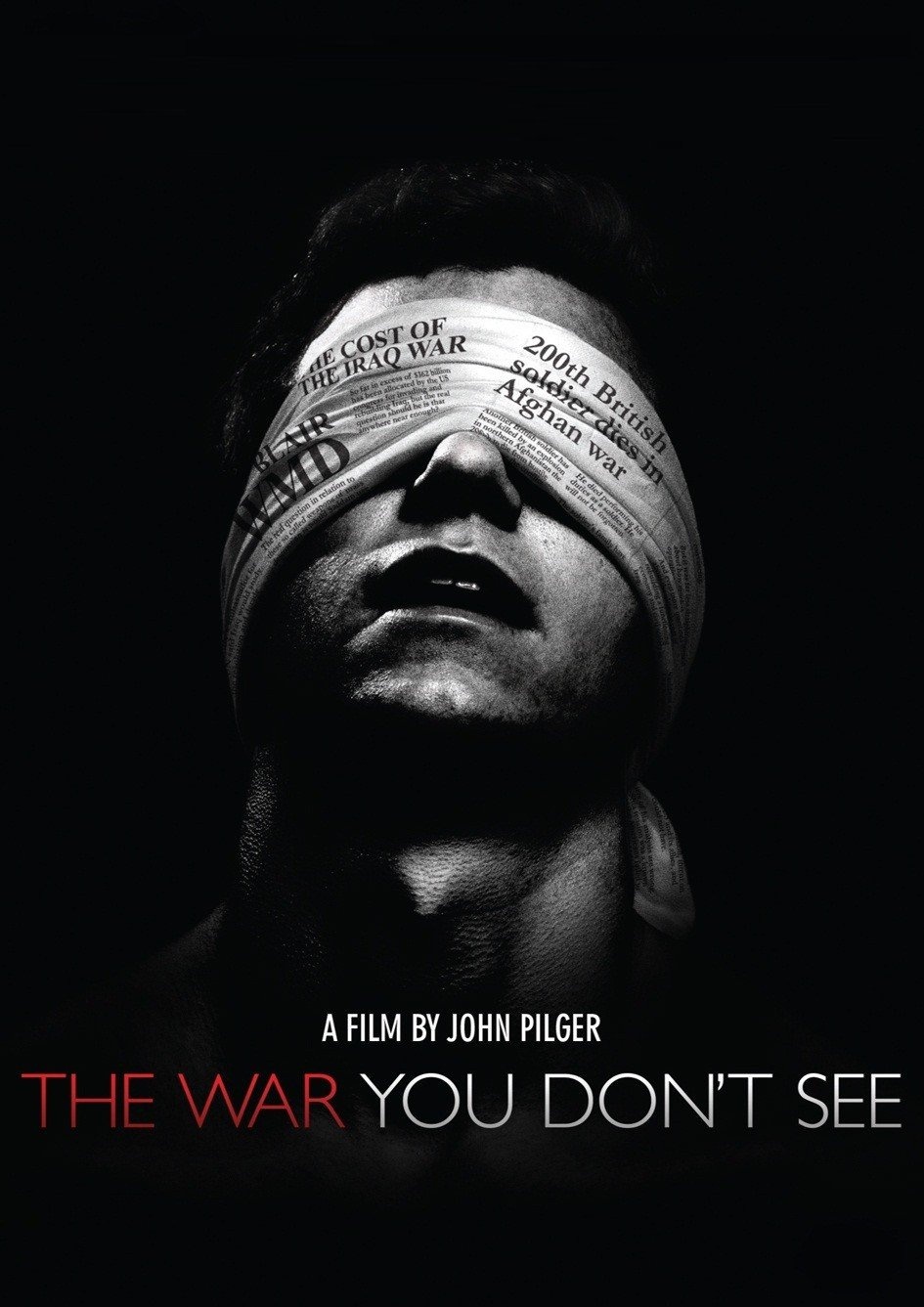
Iranian Foreign Ministry Spokesman Ismail Baghaei has launched a sharp critique of what he describes as American media manipulation regarding tensions between the two nations, urging viewers to watch the documentary “The War You Don’t See” for what he considers a more accurate perspective.
In a statement posted Monday on X (formerly Twitter), Baghaei claimed that U.S. authorities are “actively misleading public opinion and manipulating the media” to justify what he termed an “illegal war against Iran” and to obscure alleged atrocities.
“The War You Don’t See. This is a must-see film, especially at this time,” Baghaei wrote in his brief but pointed social media post, which was subsequently monitored and reported by Yemen’s Saba News Agency.
The documentary referenced by Baghaei, directed by British journalist John Pilger and released in 2010, examines how governments manage media coverage during conflicts, particularly focusing on the Iraq War and broader Middle East reporting. The film features interviews with journalists and media analysts who discuss how war reporting can be influenced by government narratives.
Baghaei’s comments come amid escalating diplomatic tensions between Tehran and Washington. Relations between the United States and Iran have deteriorated significantly in recent years, particularly following the U.S. withdrawal from the Joint Comprehensive Plan of Action (JCPOA), commonly known as the Iran nuclear deal, in 2018 under the Trump administration.
The Iranian spokesman’s accusation about an “illegal war” appears to reference ongoing economic sanctions, which Iranian officials have repeatedly characterized as “economic warfare,” as well as more direct confrontations including the 2020 U.S. drone strike that killed Iranian General Qasem Soleimani in Baghdad.
Media representation has long been a contentious issue in U.S.-Iran relations, with both sides accusing the other of distortion and propaganda. Iranian officials frequently claim Western media portrays the country unfairly, while U.S. officials point to tight media controls within Iran and government influence over messaging.
Experts on Middle Eastern politics note that Baghaei’s recommendation of Pilger’s documentary represents a broader Iranian strategy to challenge Western narratives about regional conflicts and international relations.
“This is consistent with Iran’s ongoing effort to present alternative perspectives on global events,” said Dr. Mehran Kamrava, a professor of Government at Georgetown University Qatar in an interview earlier this year. “They’re essentially arguing that Western media consumers aren’t getting the full picture about conflicts involving American interests.”
The timing of Baghaei’s statement coincides with ongoing regional tensions, including concerns about Iran’s nuclear program and its support for various non-state actors across the Middle East, which the U.S. and its allies consider destabilizing to the region.
The spokesman’s comments were shared by Saba News Agency, Yemen’s state news service, highlighting the media alignment between Iran and the Houthi movement that controls significant portions of Yemen, including the capital Sanaa. Iran has been accused of providing support to the Houthis during Yemen’s prolonged civil conflict, though Tehran has consistently denied direct military involvement.
Media analysts suggest that Baghaei’s direct appeal to viewers to seek out alternative perspectives represents an evolution in Iranian public diplomacy, increasingly focused on reaching international audiences through social media rather than relying solely on formal diplomatic channels or state-controlled media outlets.
As tensions between the two countries continue to simmer, the war of words and competing narratives appears likely to remain a significant feature of U.S.-Iran relations for the foreseeable future.
Fact Checker
Verify the accuracy of this article using The Disinformation Commission analysis and real-time sources.

9 Comments
As someone following the mining and energy sectors, I appreciate Baghaei’s recommendation to explore this documentary. Understanding the nuances of media coverage around global conflicts is relevant for those of us tracking developments in these industries.
While I’m generally skeptical of Iranian government claims, I agree that it’s important to seek out diverse perspectives on complex global issues. The documentary Baghaei mentioned could offer valuable insights, even if we don’t fully endorse his position.
Exactly. Maintaining an open but critical mindset when assessing media narratives around geopolitical conflicts is key. Exploring alternative viewpoints, even from adversarial parties, can enhance our understanding.
Accusations of media manipulation are serious. While I’m skeptical of Iran’s motives, I think it’s worth examining the claims made in this documentary. Objective analysis of war reporting practices could yield important insights.
Absolutely, we should strive to look at media coverage of conflicts from multiple angles to get a clearer picture. Even if we don’t fully agree with Baghaei’s perspective, the documentary seems worth a watch.
Interesting perspective from the Iranian Foreign Ministry. It’s always important to consider different views on geopolitical conflicts, even if we may not agree. The documentary he recommends sounds worth checking out to understand the media dynamics at play.
Agreed, getting a more nuanced understanding of complex international issues is crucial. The media’s role in shaping narratives is an important topic to explore.
As someone interested in the mining and energy sectors, I’m curious to learn more about the geopolitical dynamics and media narratives around tensions between the US and Iran. This documentary recommendation provides an intriguing alternative viewpoint to consider.
Good point. Understanding the broader political context is relevant for those of us focused on the commodities and resources space. Evaluating media coverage through a critical lens is important.