


Listen to the article
Super Bowl Halftime Show Sparks Cultural Conversation, Reveals Information Consumption Patterns
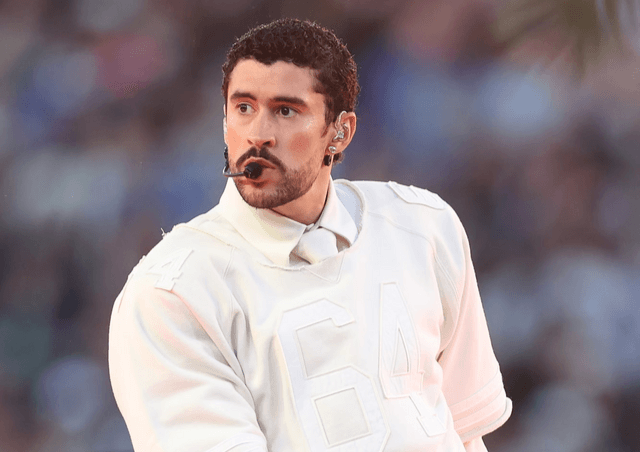
Bad Bunny’s Super Bowl LX Halftime Show has emerged as a cultural touchstone that transcends mere entertainment, sparking widespread debate across social media platforms and messaging apps. The performance, which made no attempt to explain, translate, or tone itself down, quickly became a mirror reflecting viewers’ own cultural perspectives and political leanings.
The Puerto Rican reggaeton star’s 15-minute set prompted wildly divergent interpretations. For many Latino viewers, it represented a moment of cultural celebration and recognition on America’s biggest entertainment stage. For others, the predominantly Spanish-language performance was viewed through a politically charged lens, with some critics characterizing it as divisive or unpatriotic.
Social media reactions to the show have revealed how deeply personal biases and identity shape information consumption. Research from the Digital Democracy Institute of the Americas (DDIA) indicates these factors are primary drivers of how individuals engage with both information and misinformation online.
Misinterpretations spread rapidly in the aftermath. Some viewers mistakenly believed Bad Bunny’s “Ocasio 64” jersey symbolized support for Congresswoman Alexandria Ocasio-Cortez, rather than recognizing it as a reference to the artist’s birth name, Benito Antonio Martínez Ocasio, and his birth year. Similarly, false claims circulated that a child on stage was “Liam Conejo Ramos,” a fabrication that gained traction despite having no basis in reality.
For Latino audiences across various backgrounds—Mexican, Dominican, Brazilian, Cuban, Colombian, Venezuelan, Central American and Caribbean—the performance resonated differently but shared a common thread of cultural recognition. Many viewers connected with elements that reminded them of personal experiences: dance floors from childhood, summer gatherings with family, or the soundtrack of everyday life. On TikTok, users shared nostalgic connections to the music, with one commenting about “dance floors they grew up falling asleep on” and others reminiscing about “summer nights” accompanied by these familiar sounds.
The backlash against the performance seems less about specific provocative elements and more about encountering unfamiliar cultural expressions on a mainstream American platform. For some viewers, the predominant use of Spanish registered as defiant or exclusionary, while others saw the same performance as liberating or celebratory. The choreography itself became a Rorschach test, with interpretations ranging from artistic expression to inappropriate display.
Bad Bunny’s authentic presentation—performing largely in Spanish without pausing to translate or contextualize cultural references—allowed viewers to project their own meanings onto the spectacle. This dynamic exposed how quickly audiences fill interpretive gaps with their own assumptions, and how readily these interpretations can transform into misinformation when shared across social platforms.
The halftime show ultimately served as a powerful demonstration of contemporary information consumption patterns. Rather than prescribing specific viewpoints, it revealed existing divides in how Americans process cultural expressions that fall outside their personal experience. The disparate reactions highlight how entertainment can inadvertently become a battleground for larger cultural conversations about identity, language, and belonging in American society.
This pattern mirrors broader challenges in today’s information ecosystem, where the same content can be interpreted radically differently based on viewers’ pre-existing beliefs and cultural frameworks. As social media continues to fragment audiences into distinct cultural and ideological bubbles, shared experiences like the Super Bowl halftime show provide rare windows into how differently Americans can perceive the same event.
Fact Checker
Verify the accuracy of this article using The Disinformation Commission analysis and real-time sources.

11 Comments
This controversy highlights the challenges in navigating cultural divides and differing perspectives in an increasingly polarized media landscape. There’s no easy solution, but fostering mutual understanding is crucial.
The Bad Bunny Super Bowl performance sparked a fascinating cultural dialogue. It’s interesting to see how deeply personal biases and identity shape information consumption and perceptions of ‘misinformation’.
The Bad Bunny performance seems to have touched a nerve, eliciting strong reactions that reveal deep-seated biases and assumptions. Unpacking these dynamics is important for improving digital discourse.
The Bad Bunny controversy underscores the need for more nuanced, contextual approaches to analyzing information dynamics online. Simplistic labeling often misses the deeper social and cultural factors at play.
The DDIA research on how identity factors into information/misinformation consumption is really insightful. It underscores the need for more nuanced, contextual approaches to these issues.
Agreed, simplistic labeling of ‘misinformation’ often fails to capture the underlying social and cultural dynamics at play. This is a valuable lesson from the Bad Bunny example.
The reactions to this performance really highlight the diversity of perspectives and the power of identity in how people engage with information. It’s a complex issue with no easy answers.
Absolutely, the cultural and political lenses people bring to interpreting an event like this can lead to very different interpretations. Understanding those biases is crucial.
This is a thought-provoking example of how personal biases and identity can profoundly shape our engagement with information, even around seemingly apolitical cultural events. The DDIA research offers valuable insights.
It’s fascinating to see how something as seemingly innocuous as a Super Bowl halftime show can become a flashpoint for cultural and political debates. The DDIA research provides valuable context.
Absolutely, the ability to interpret events through multiple lenses is critical. This case study illustrates the complexities involved in addressing misinformation and polarization.