


Listen to the article
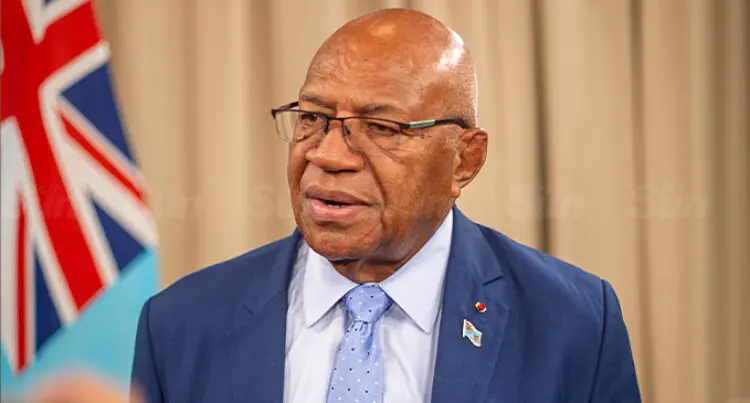
In a nationally televised address yesterday, Prime Minister Sitiveni Rabuka called on all Fijians to refrain from spreading misinformation about the country’s fuel situation, emphasizing that while the situation warrants careful management, there is no immediate shortage that should trigger panic.
“We are ensuring that there will be a single, clear source of information so that the public can stay informed and avoid misinformation,” Rabuka stated firmly in his address. “I ask everyone to rely on official updates and act responsibly.”
The Prime Minister’s appeal comes amid growing concerns about global fuel supply chains and their potential impact on Fiji’s economy. As a Pacific island nation heavily dependent on imported fuel for transportation, electricity generation, and industry, Fiji remains vulnerable to international market disruptions.
Rabuka sought to reassure citizens that while the government is monitoring the situation closely, there is no cause for alarm. “Fuel remains available. There is no immediate shortage,” he emphasized, adding that “this is not a time to panic – it is a time to prepare.”
Energy security experts note that Fiji, like many small island developing states, typically maintains strategic reserves that can cushion short-term supply disruptions. However, prolonged global supply chain issues could eventually impact availability and pricing.
The Prime Minister also used the opportunity to encourage energy conservation measures that could help extend existing supplies while reducing the country’s overall dependence on imported fossil fuels. He specifically urged citizens to reduce electricity use in their homes and consider alternatives where feasible.
“Switch to solar lighting where possible,” Rabuka suggested, highlighting the government’s ongoing commitment to increasing renewable energy adoption throughout the archipelago. Fiji has previously set ambitious targets to reduce reliance on fossil fuels, with plans to generate the majority of its electricity from renewable sources by 2030.
Regional energy analysts suggest that the Prime Minister’s address reflects a proactive approach to resource management rather than a response to any imminent crisis. By encouraging conservation now, authorities may be working to mitigate potential future constraints while continuing to pursue longer-term energy security goals.
In a more spiritual appeal, Rabuka also asked Fijians to “pray for peace in the world and for the safety of Fijians overseas,” acknowledging the broader geopolitical tensions that can affect global supply chains and commodity prices.
The government is expected to provide regular updates on the fuel situation through official channels in the coming days. Officials have emphasized that coordinated information sharing will be essential to prevent unnecessary hoarding or price gouging that could exacerbate any supply constraints.
Business leaders in Suva have generally responded positively to the government’s transparent communication strategy, with the Fiji Chamber of Commerce praising the early intervention to counter misinformation. Transportation industry representatives have similarly welcomed the clarity, while noting they are developing contingency plans for various scenarios.
For ordinary citizens, the Prime Minister’s message appears to be one of prudence rather than panic – advocating for reasonable conservation measures while assuring the public that systems remain functional and supplies adequate for current needs.
The government has not yet announced any formal rationing measures or restrictions on fuel purchases, suggesting that officials believe current supply levels can meet demand so long as consumption patterns remain normal and unaffected by panic buying.
Fact Checker
Verify the accuracy of this article using The Disinformation Commission analysis and real-time sources.

22 Comments
The Prime Minister’s call for responsible behavior and reliance on official information is prudent. Spreading misinformation can exacerbate supply chain issues and create unnecessary panic.
Indeed. Maintaining public trust and providing accurate, timely updates from authorities is crucial during periods of uncertainty.
Fiji’s heavy dependence on imported fuel highlights the importance of diversifying energy sources and building resilience. While the current situation is concerning, the government’s proactive approach is reassuring.
Absolutely. Developing domestic renewable energy capacity could help insulate Fiji from global fuel market volatility in the long run.
As a small island nation, Fiji’s reliance on imported fuel makes it particularly vulnerable to global market disruptions. Transparency from the government on the situation and steps being taken is reassuring.
Indeed, energy security is a critical issue for small island states. Fiji appears to be taking a proactive approach to manage the challenges.
As a small island nation, Fiji’s fuel security is heavily dependent on global supply chains. The government’s monitoring of the situation and efforts to manage it proactively are commendable.
Indeed. Fiji’s vulnerability to external shocks highlights the need for long-term strategies to enhance energy independence and sustainability.
The Prime Minister’s call for the public to rely on official updates and avoid spreading misinformation is prudent. Maintaining transparency and public trust is critical during times of uncertainty.
Agreed. Providing clear, factual information from credible sources can help prevent unnecessary panic and ensure an appropriate public response.
It’s good to see the Prime Minister emphasizing the need for accurate information and responsible public behavior. Panic buying or hoarding can exacerbate fuel shortages unnecessarily.
You’re right. Avoiding misinformation and maintaining public calm is crucial during supply disruptions. Fiji seems to be taking the right steps.
Glad to see the authorities taking a measured approach to address fuel concerns and discourage panic. Misinformation can be quite disruptive, so clear and reliable communication from officials is key.
Agreed. Maintaining public trust and avoiding unnecessary alarm is prudent during supply chain challenges.
Fiji’s fuel dependence and susceptibility to global market volatility is a concern. The government’s proactive stance and efforts to manage the situation are commendable.
You’re right. Developing domestic energy sources and building resilience should be a priority for small island nations like Fiji.
The Prime Minister’s emphasis on avoiding panic and relying on official updates is a sensible approach. Fuel supply disruptions can be complex, and clear communication from authorities is crucial.
Absolutely. Maintaining public trust and avoiding unnecessary alarm is key during challenging times like these.
The Prime Minister’s emphasis on avoiding panic and relying on official information is commendable. Misinformation can exacerbate supply chain disruptions, so clear communication from authorities is crucial.
Agreed. Maintaining public trust and promoting responsible behavior is essential during challenging times like these.
Fiji’s fuel supply challenges highlight the need for small island nations to diversify their energy sources and build greater self-sufficiency. The government’s proactive approach is a step in the right direction.
Absolutely. Developing renewable energy solutions and reducing dependence on imported fuels can enhance energy security for countries like Fiji.