


Listen to the article
Australia Launches Long-Awaited Disease Control Center After Decades of Advocacy
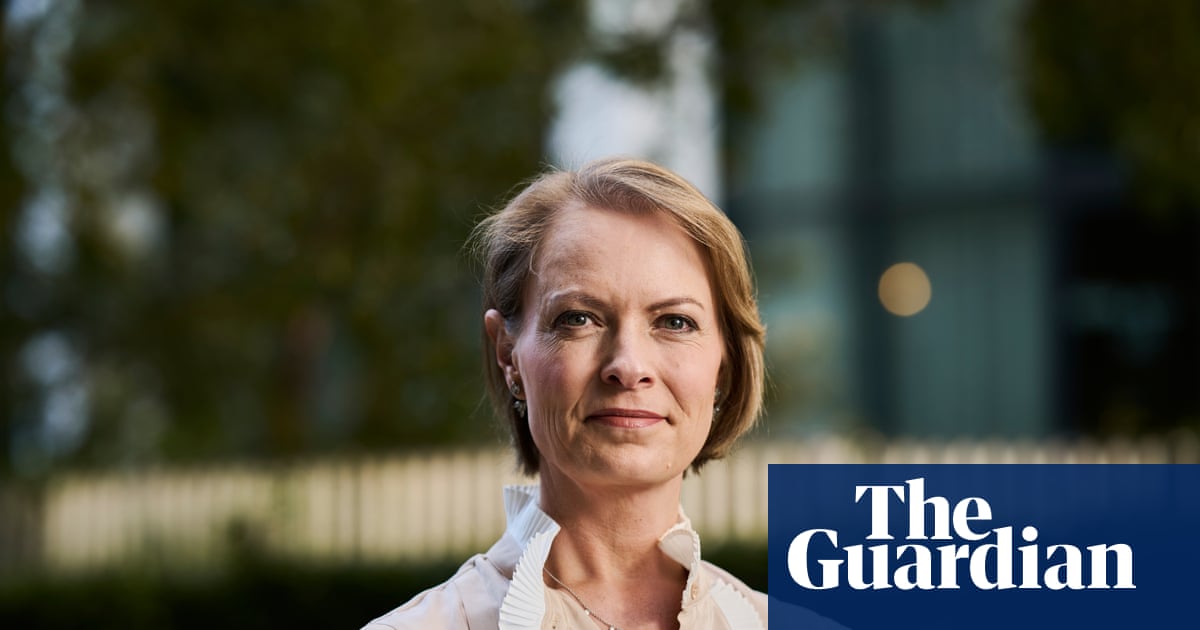
In January, Australia finally established its first Centre for Disease Control (CDC), nearly four decades after experts first called for such an institution. The Australian CDC, led by Prof Zoe Wainer as director general, arrives at a critical time when preventable diseases like measles are resurging due to misinformation and climate change is pushing infections such as Japanese encephalitis beyond their traditional boundaries.
The journey toward creating this national health authority began in 1987, during the height of the HIV pandemic. Then, doctor and epidemiologist Prof Robert Douglas wrote in the Medical Journal of Australia that disease control was “fragmented, inadequate and poorly coordinated,” advocating for a national system where state and federal governments could share strategies to prevent disease and minimize its effects.
Since that initial call, Australia has weathered multiple public health crises—including swine flu, mpox, and seasonal influenza outbreaks—during which medical experts repeatedly emphasized the need for a coordinated national approach to disease management. Now established as a statutory, independent commonwealth authority, the CDC will oversee national health surveillance, pandemic preparedness, and public health advice.
“It’s an extraordinary opportunity and investment that the nation’s made to keep Australia safe from public health threats and emergencies,” Wainer says of the new institution. “The role is to ensure that Australia is never surprised by a health threat, never isolated in responding to a health threat, and always contributing to a stronger regional and global public health system.”
Despite high expectations and concerns about the CDC’s budget and scope, Wainer reports that stakeholders have been predominantly supportive and hopeful about the institution’s potential impact. The timing of the CDC’s establishment is particularly significant as public health faces growing challenges from misinformation.
Wainer believes that the CDC’s independence from government and commitment to transparency will help address these challenges. “I think transparency is a really important part [of the solution to misinformation]… to have that conversation with the community and not expect them to necessarily take on what we say. We have to be able to understand what the concerns of community are,” she explains.
In its early years, the Australian CDC will focus on connecting state and federal data surveillance systems. The lack of real-time data sharing was identified as a significant weakness in Australia’s response to the COVID-19 pandemic. “It’s a big project of ours to really try to bring that data linkage together,” Wainer says.
Another core focus will be the “One Health” approach—recognizing that the health of humans, domestic and wild animals, and the environment are interconnected. This holistic perspective makes collaboration with First Nations people and organizations critical to the CDC’s mission. “My understanding, from speaking to many Aboriginal and Torres Strait Islander people, is that they’ve understood that deep connection between land, water, climate, people and animals for tens of thousands of years,” Wainer notes.
Wainer brings extensive and varied experience to her role. With a background as a cardiothoracic surgeon and a master’s in public health, she previously served as deputy secretary for community and public health in Victoria’s health department, where she led one of Australia’s largest public health divisions and conducted the country’s first inquiry into women’s pain.
Her commitment to public health was shaped by her parents’ legacy. Her father, Dr. Bertram Wainer, was a prominent women’s health advocate who exposed corruption involving police, politicians, and illegal abortion networks in the late 1960s and 1970s, establishing Australia’s first public abortion clinic. Her mother, Dr. Jo Wainer, helped establish the clinic and later became a social scientist researching women’s health issues.
“Mum and Dad did extraordinary work in the name of public health,” Wainer reflects. “I always end up in public health in my career. It’s just been a trajectory.”
Throughout her career, Wainer has maintained a strong social justice focus. As a surgeon, she conducted seven outreach trips to lower and middle-income countries, operating on children with congenital disorders and rheumatic heart disease—an entirely preventable condition found in disadvantaged regions globally, including remote Indigenous communities in Australia.
“I’ve always looked at next career moves as: ‘How can I take the skills, my attributes, my experience, and contribute it to the best benefit of my community?'” Wainer says. “When the opportunity came up to be the inaugural director general for the Australian Centre for Disease Control, I absolutely jumped at it, because it meets that kind of internal value set that I have.”
Fact Checker
Verify the accuracy of this article using The Disinformation Commission analysis and real-time sources.

8 Comments
Interesting to see how Australia is catching up with other developed nations that have had national CDCs for decades. Curious to see how the new agency tackles challenges around trust and preparedness.
Yes, the director general’s comments on those issues are insightful. Building public confidence in the CDC’s role will be critical to its success.
Glad to see Australia finally establishing a national disease control center. Coordinating strategies across states/territories should improve the country’s ability to respond to health threats, both emerging and recurring.
The establishment of Australia’s new CDC is a long-overdue and welcome development. Having a centralized national authority to coordinate disease prevention and response is crucial, especially in the face of emerging threats like climate-driven infectious diseases.
Agreed. A unified, evidence-based approach to public health will help build trust and counter misinformation. Proactive planning for future outbreaks is key.
The timing of Australia’s CDC launch, amid rising measles cases and climate-driven disease spread, underscores its importance. Curious to see how the new agency tackles information challenges and bolsters public health resilience.
Agreed, the director’s comments on combating misinformation are crucial. A science-based, transparent approach will be key to the CDC’s credibility and effectiveness.
Establishing a national CDC is a smart move for Australia, especially given the country’s recent public health challenges. Looks like a good opportunity to strengthen disease prevention and emergency preparedness capabilities.