


Listen to the article
Australia Grapples with Climate Misinformation Surge, Senate Inquiry Reveals
Australia is facing a growing wave of misinformation and disinformation on climate change and energy issues, according to a comprehensive Senate inquiry. The investigation found that false information is being fueled by artificial intelligence advancements and spreads unchecked across social media platforms, threatening both climate action and democratic processes.
The Senate committee, which analyzed 247 written submissions and conducted 11 days of public hearings, concluded that approximately 74% of Australians are concerned about misinformation in this arena. The inquiry distinguished between misinformation—the spread of false information regardless of intent—and disinformation, which involves deliberate attempts to influence public opinion through falsehoods.
“In democratic societies, public opinion is the critical link between citizens’ desires, voting behavior, and political action,” explained one expert who testified before the committee. “When misinformation distorts this connection, democratic foundations begin to erode.”
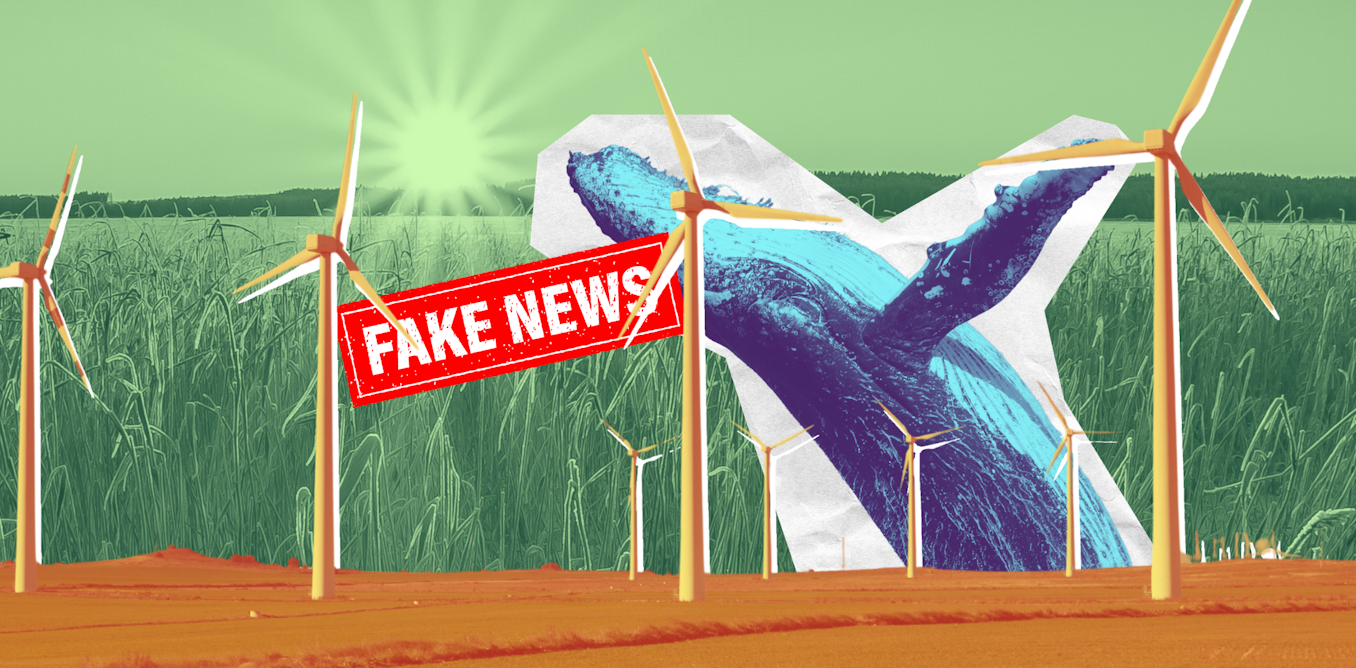
The inquiry uncovered numerous instances of false information affecting public discourse across Australia. In one notable case, anti-offshore wind campaigns spread fabricated claims that wind turbines killed whales and would block sunrise views—assertions completely unsupported by scientific evidence.
Similarly, a community battery project in Narrabri, NSW, initially backed by the local council, was ultimately blocked after a Facebook campaign falsely claimed the battery would explode, catch fire, and potentially shut down the town.
The effects have been deeply personal for many Australians. Survivors of the 2019 Black Summer bushfires submitted testimony describing how misinformation created community divisions and family rifts. Those advocating for climate action faced online harassment as false narratives about the fires’ causes proliferated on social media.
Research presented to the committee revealed a network of organizations specifically working to slow, stop, or reverse climate action. This “climate obstruction” network extends beyond fossil fuel companies to include trade associations, think tanks, and PR firms.
One example highlighted was “Australians for Natural Gas,” which presents itself as a grassroots organization supporting pro-gas policies. An ABC investigation revealed it was actually established by the CEO of gas company Tamboran Resources with assistance from PR firm Freshwater Strategy—illustrating how industry interests can masquerade as community voices.
The inquiry found transparency issues particularly concerning, with several participants refusing to disclose their funding sources. This stands in stark contrast to research from the United States showing industry lobby groups historically opposed to climate policies spent US$3.4 billion (A$4.88 billion) on political activities between 2008 and 2018, primarily on public relations.
Social media platforms and artificial intelligence emerged as key accelerants of misinformation. Committee members heard how algorithms on Facebook, Instagram, and TikTok prioritize engagement over accuracy, creating echo chambers that amplify misleading content. When questioned by senators, Meta—owner of Facebook and Instagram—admitted spending more on lobbying than fact-checking in Australia.
In a remarkable development that underscored the issue’s severity, AI was used to generate fake content in submissions to the very inquiry investigating misinformation. Rainforest Reserves Australia, a conservative group opposing renewable energy, included information about non-existent wind farms and cited academic papers that don’t exist. When confronted about this by media, the group initially responded with a 1,500-word AI-generated statement.
The committee’s report outlined several recommendations to combat these challenges, including greater transparency around political donations and lobbying, strengthened media literacy programs, funding for independent monitoring of misinformation across platforms, and support for independent media.
Some senators pushed for more stringent measures, including banning fossil fuel industry donations, legislating truth in political advertising, and empowering authorities to compel social media companies to remove fake content and bots involved in coordinated campaigns against climate action.
“The federal government should act on these recommendations before the next election,” noted one expert who testified. “Otherwise, this problem will only intensify. As the senators emphasized, the health of our democracy is what’s ultimately at stake.”
Fact Checker
Verify the accuracy of this article using The Disinformation Commission analysis and real-time sources.

12 Comments
This is a complex challenge without easy solutions. While misinformation is problematic, I’m curious to understand the underlying drivers and motivations behind its spread. Addressing the root causes, rather than just the symptoms, may be key to developing effective countermeasures.
Interesting that the inquiry distinguished between misinformation and disinformation. Identifying the underlying motivations and sources behind the spread of false claims will be crucial to developing effective countermeasures. I wonder what role AI and social media algorithms are playing in this problem.
That’s a really important distinction. The role of technology in amplifying misinformation is concerning and warrants further investigation. Collaborative efforts between policymakers, tech companies, and the public may be needed to address this challenge.
The threat of eroding democratic foundations due to climate misinformation is alarming. Restoring public trust in institutions and reliable information sources should be a top priority. I hope the Senate inquiry leads to meaningful solutions that protect Australia’s democratic processes.
The role of AI and social media algorithms in amplifying misinformation is particularly concerning. I hope the Senate inquiry delves deeper into these technological factors and explores ways to enhance online accountability and responsibility. Combating climate misinformation is vital for Australia’s future.
Concerning to see climate misinformation spreading in Australia. Reliable information and fact-checking are crucial to inform public debate and shape climate policies that benefit the country. I hope the Senate inquiry leads to effective measures to counter this worrying trend.
Agreed, misinformation is a serious threat to climate action and democratic processes. Transparency and media literacy efforts will be key to combating the spread of false narratives.
Protecting democratic processes from the erosive effects of misinformation is a critical challenge. I’m interested to learn more about the specific policy recommendations that emerge from the Senate inquiry. Transparent and collaborative efforts between government, tech companies, and the public will be key.
This is a troubling trend that merits serious attention. Fact-based education and media literacy initiatives could be important tools to empower the public and counter the spread of false narratives. I hope the Senate inquiry leads to comprehensive and effective solutions.
It’s concerning to see the spread of false narratives on such an important issue as climate change. Fact-based dialogue and media literacy initiatives will be crucial to counter misinformation and ensure informed decision-making. I’m interested to learn more about the specific tactics used to mislead the public.
This is a complex issue with valid concerns on both sides. While misinformation is problematic, I’m curious to understand the nuances behind the 74% of Australians who are worried about it. What specific types of false claims are circulating, and how can fact-based dialogue be promoted?
Good point. A balanced approach is needed to address misinformation without stifling legitimate debate. Engaging the public through educational programs and empowering critical thinking could help separate fact from fiction.