


Listen to the article
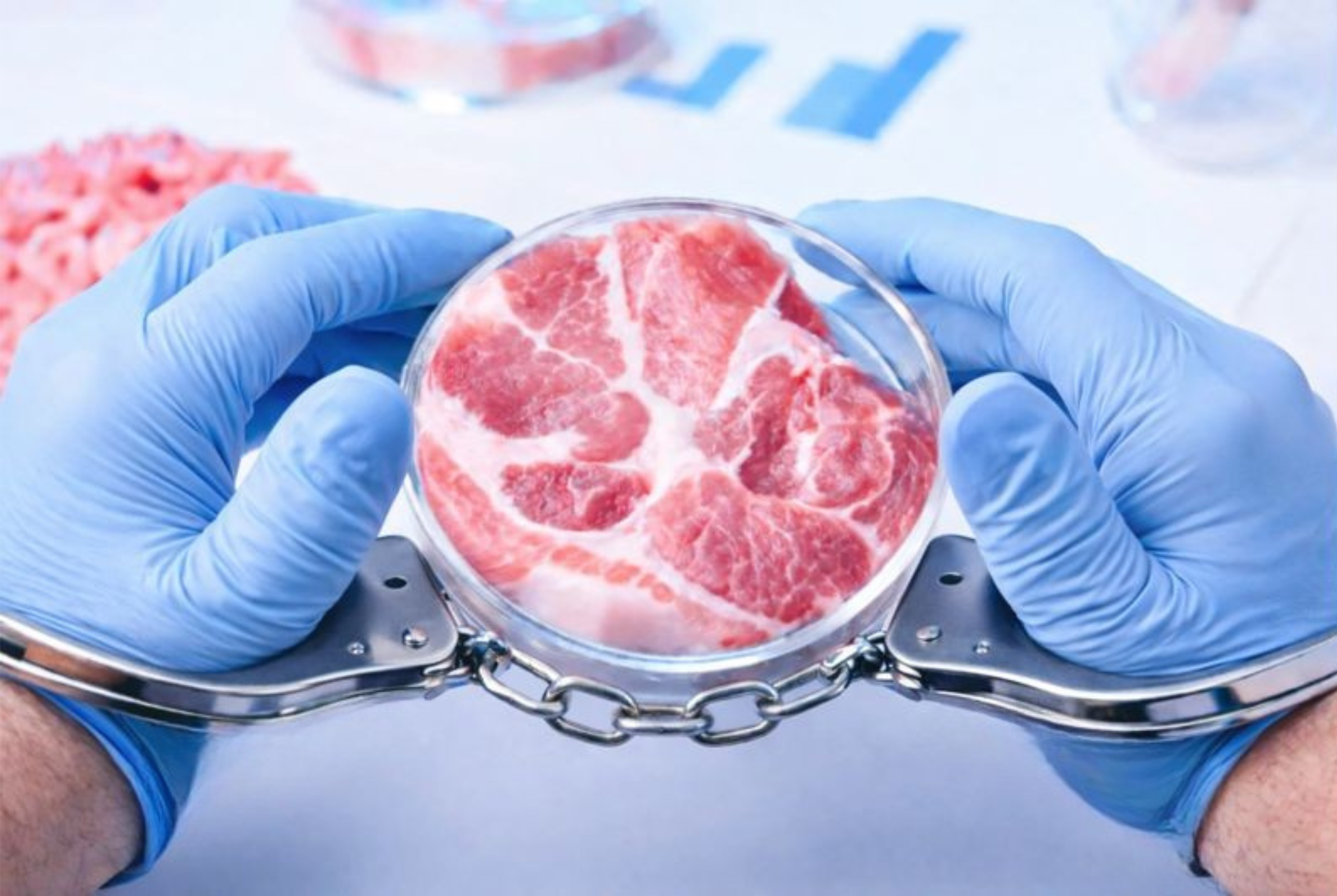
Arizona lawmakers have introduced a controversial bill that would not only ban the sale of cultivated meat in the state but potentially send violators to prison for up to 18 months. The legislation, presented by Republican state representative and pastor Lupe Diaz, represents one of the most aggressive attempts yet to restrict this emerging food technology.
The bill’s text explicitly classifies violations as Class 5 felonies, marking a significant escalation compared to other state-level restrictions being considered across the country. Arizona joins Virginia and South Dakota as early movers in what appears to be a coordinated wave of legislative efforts targeting cell-cultivated protein products in 2024.
When questioned about his motivation for the bill, Representative Diaz expressed skepticism about the fundamental technology. “The way that the meat is made, I just don’t trust it,” he stated. “It’s accelerated cell growth.”
Diaz further claimed without providing evidence that cultivated meat poses cancer risks due to “enzymes and that kind of stuff.” These assertions stand in contrast to the growing body of scientific research examining cultivated meat’s safety profile and the well-documented links between traditional red and processed meat consumption and various health concerns including certain cancers.
The legislative push comes at a critical juncture for the cultivated meat industry, which saw significant milestones in 2023 when the U.S. Department of Agriculture and Food and Drug Administration granted regulatory approval to two companies—Upside Foods and Good Meat—to sell cultivated chicken products. While commercial availability remains limited, these approvals signaled a potential path forward for broader market access.
Industry observers note that the timing of these state bills is not coincidental. As cultivated meat companies move closer to scaled production and wider retail availability, traditional agriculture interests have intensified lobbying efforts to restrict market access before consumers have an opportunity to try these products.
The Arizona bill represents a particularly concerning precedent for cultivated meat producers. By classifying violations as felonies rather than civil infractions or misdemeanors, the legislation creates potential criminal liability for companies, retailers, and potentially even consumers involved with these products.
Agricultural economists point out that cultivated meat technology has attracted significant investment—over $2 billion globally in recent years—partly due to its potential environmental benefits, including reduced land use, water consumption, and greenhouse gas emissions compared to conventional livestock production. Arizona, with its water scarcity challenges and significant agricultural sector, sits at an interesting intersection of these competing interests.
Consumer advocacy groups have criticized the bill as an overreach that limits food choice and innovation. They argue that regulatory frameworks should focus on ensuring product safety and accurate labeling rather than outright bans.
The cultivated meat industry, while still nascent, has attracted investment from major meat producers like Tyson Foods and JBS, suggesting that even traditional animal agriculture sees potential in this technology. These strategic investments complicate the political narrative around cultivated meat, as some agricultural interests are simultaneously opposing and investing in the sector.
As the Arizona legislature considers this bill, the outcome may establish a precedent for other states contemplating similar restrictions. The debate highlights broader tensions between traditional agricultural practices, technological innovation in food production, and the appropriate role of government in regulating novel food technologies.
Whether the bill will advance through Arizona’s legislative process remains uncertain, but its introduction signals that cultivated meat’s regulatory path will likely involve navigating a complex patchwork of state-level restrictions alongside federal oversight.
Fact Checker
Verify the accuracy of this article using The Disinformation Commission analysis and real-time sources.

8 Comments
Criminalizing scientists working on cultivated meat is an extreme and concerning move. While the technology is new, the science behind it seems promising in terms of environmental and animal welfare impacts. Lawmakers should focus on rigorous safety reviews, not draconian bans backed by unproven health claims.
This bill seems like an unnecessarily harsh crackdown on an emerging food technology with potential benefits. I hope Arizona lawmakers will reconsider and take a more balanced, evidence-based approach that allows for continued research and development of cultivated meat products.
Interesting regulatory move by Arizona. While I understand the skepticism around new food tech, outright banning and criminalizing it seems heavy-handed. Cultivated meat is still in early stages, but the science appears promising for addressing sustainability and food security challenges. I hope lawmakers take a more balanced, evidence-based approach.
This proposed legislation in Arizona is a concerning overreaction. While the long-term impacts of cultivated meat are still being studied, outright banning and criminalizing the technology seems heavy-handed. Lawmakers should work collaboratively with the industry to address any legitimate safety concerns, not resort to punitive measures.
Sending scientists to prison for their work on cultivated meat is an alarming and disproportionate response. This technology deserves careful, science-based regulation – not knee-jerk criminalization. I hope Arizona will reconsider this bill and take a more balanced approach that allows for continued research and development.
This seems like an overly aggressive stance against a promising new food technology. Cultivated meat has the potential to reduce environmental impact and animal welfare concerns. Lawmakers should focus on robust safety reviews, not knee-jerk bans backed by unsubstantiated cancer claims.
Agreed. We should let the science and safety testing guide policy, not unfounded fears. A thoughtful regulatory framework would be better than outright criminalization.
Banning cultivated meat and sending scientists to prison is a concerning overreaction. While the technology is new, the research I’ve seen indicates it can be a sustainable alternative to traditional meat production. Lawmakers should work with the industry to address any legitimate safety concerns, not resort to heavy-handed tactics.